The latest sanctions and investigations point to something larger than a tourism scam. Authorities say the CJNG built a business layer around timeshare fraud, using accountants, real estate firms, consulting outfits, and other registered companies to move money, approach victims, and give the operation a lawful appearance. The pattern matters beyond a single resort or case. It shows how cartel income can pass through sectors that look routine on paper, especially in tourist markets where foreign buyers and retirees already face information gaps.
A criminal model dressed as business
The latest U.S. and Mexican actions describe a business network built to make fraud look ordinary. On February 19, the U.S. Treasury sanctioned 24 people and entities tied to a CJNG-linked timeshare scheme. Mexico’s UIF also blocked seven additional subjects and said that complaints had been filed with the FGR. The newest action did not land in isolation. Since 2023, U.S. sanctions have repeatedly traced the fraud to registered companies that appear legitimate on paper. A review of those records, echoed in Jalisco reporting, shows that at least 49 of 74 flagged businesses were operating from Jalisco. Many were in or around Puerto Vallarta. Authorities say the companies presented themselves as travel agencies, real estate firms, accounting offices, business support companies, professional consultancies, marketing agencies, sports clubs, wholesalers, mining businesses, and even auto body shops. That mix matters. It suggests the alleged operation was not just a boiler room making calls. It relied on a wider corporate layer. That layer could receive payments, sign contracts, register brands, move money, and give victims a false sense of legitimacy.
Why the professional layer matters
That professional layer is central to how the fraud allegedly worked. U.S. investigators say callers contacted timeshare owners while posing as brokers, attorneys, sales representatives, or, later, even government officials. Victims were told to pay taxes, legal fees, or closing costs before money could be released. The money never arrived. The same victims were often targeted again through fake law firms or false recovery claims. In 2024, Treasury singled out three Puerto Vallarta-based accountants and four companies tied to the network, including an accounting firm and businesses that claimed to operate in real estate and wholesale trade. That action described how stolen funds moved through Mexican shell companies, bank accounts, brokerage houses, trusts, and complicit professionals. The FBI also says these scams lean on fake websites, business names, addresses, registrations, and polished customer scripts. In other words, the alleged strength of the scheme was not only intimidation. It was paperwork. By surrounding a criminal operation with accountants, real estate firms, and administrative fronts, the network could appear to be a routine cross-border property transaction.
Puerto Vallarta and Bahía de Banderas at the center
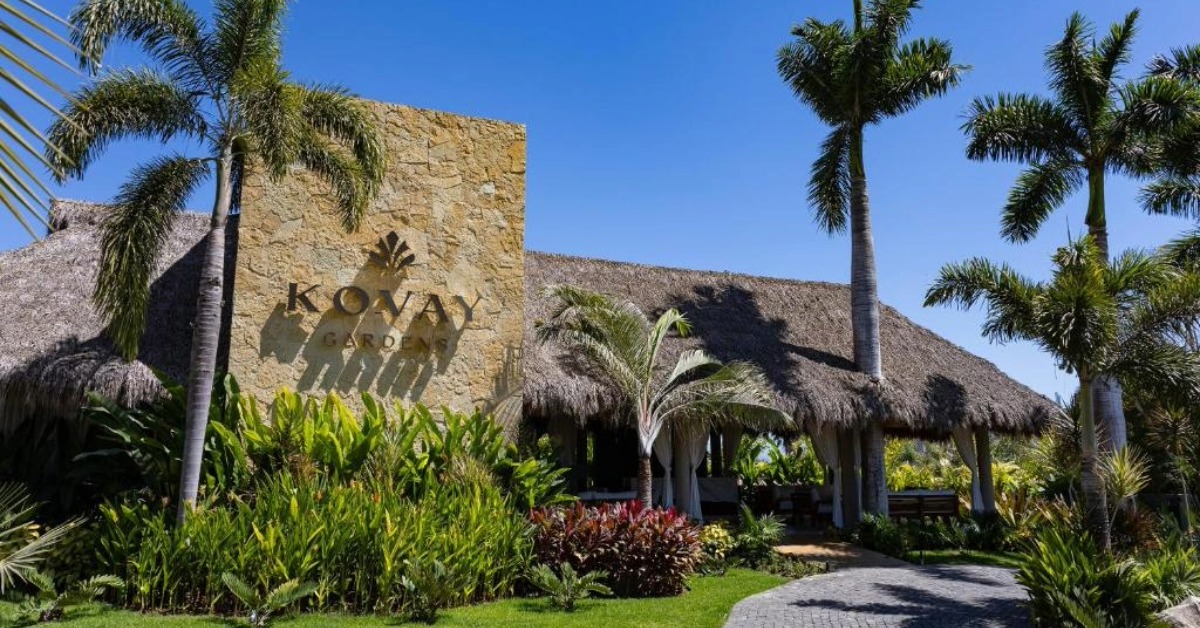
The geographic center of the case is also important. Treasury says CJNG took control of these schemes in Puerto Vallarta and the wider Bahía de Banderas area around 2012. The latest sanctions focus on Kovay Gardens in La Cruz de Huanacaxtle, where U.S. authorities say the resort used deceptive sales tactics, overcharged cards, and then fed customer data into cartel-linked call centers for later scams. Officials say resort insiders can provide the owner with information that makes these operations work. For foreign residents, retirees, and second-home buyers, that detail matters as much as the sanctions list. It means the risk may begin long before a suspicious call arrives. It can start with a sales presentation, a contract database, or a follow-up from a business that looks properly registered. The scale is also notable. The FBI says about 6,000 U.S. victims reported nearly $300 million in losses from Mexico-based timeshare fraud between 2019 and 2023. Treasury says more than 850 suspicious activity reports later flagged roughly $330 million in potentially related transactions.
A corporate face on cartel money
The broader lesson is that cartel diversification now looks increasingly corporate. Authorities have long described CJNG as a violent trafficking organization. These cases add a clearer picture of how that violence can be financed through service businesses that seem unremarkable. The alleged model uses tourism, real estate, legal services, accounting, and call center tactics to turn fraud into an income stream. It carries less visibility than street-level crime. That does not mean every local firm in those sectors is suspect, and sanctions are allegations, not convictions. But the pattern is hard to ignore. Since 2023, enforcement actions have repeatedly returned to the same ecosystem of front companies, relatives, professional facilitators, and tourist-market businesses. For readers in Mexico, especially those buying property, using timeshares, or moving money across borders, this story is not only about one cartel. It is also about how organized crime can borrow the language and structure of normal commerce. That is what makes this case more than a financial scam. It is a map of how criminal power can hide inside ordinary business activity.