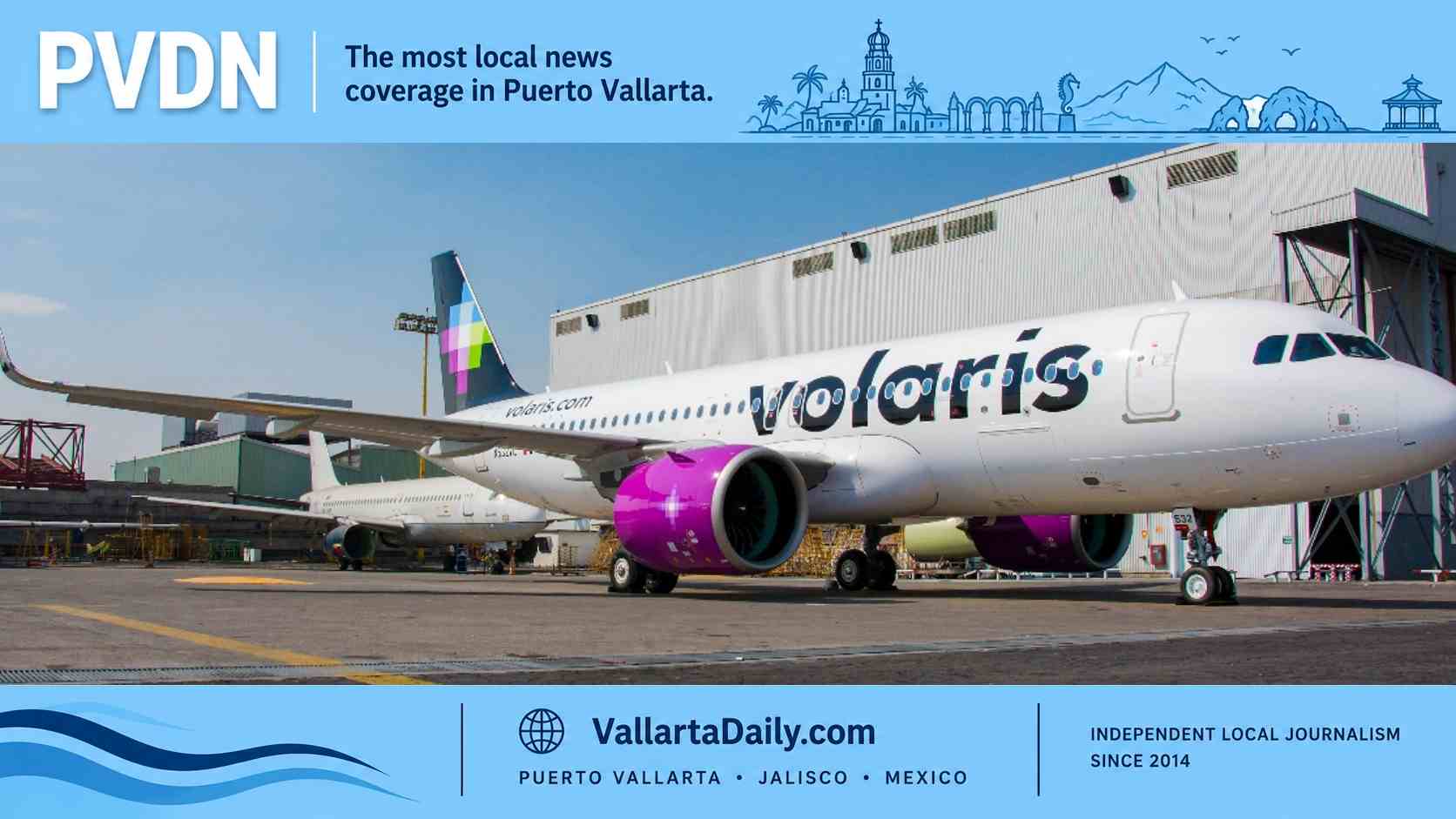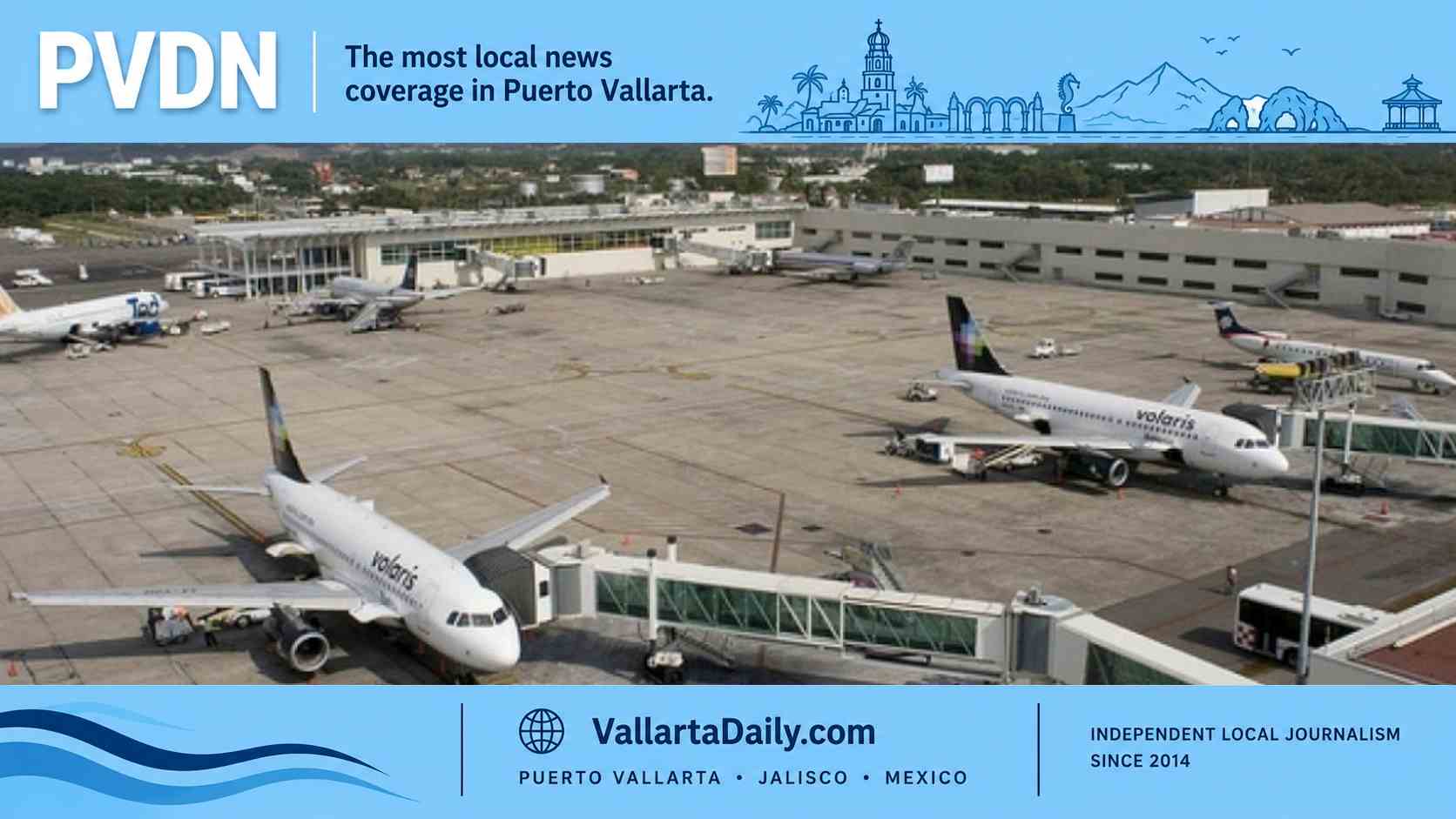
With the FIFA World Cup 2026 on the horizon, Jalisco isn’t just hosting matches – it’s gearing up for an influx of visitors by expanding its air connectivity. This week, state officials unveiled 11 new Volaris flight routes from Guadalajara and Puerto Vallarta, promising easier travel for fans across Mexico and beyond. One new route is even designed with a specific visiting team in mind, signaling how Jalisco is going all-in on world-class hospitality.
Jalisco ramps up connectivity for World Cup 2026
Anticipating up to three million visitors during the FIFA World Cup in summer 2026, Jalisco is taking major steps to strengthen its status as a travel hub. Governor Pablo Lemus Navarro announced a slate of new flights and infrastructure projects to ensure the state can smoothly welcome the surge of international fans. The 11 new routes – eight from the state capital Guadalajara and three from the resort city of Puerto Vallarta – are set to begin operations on June 1 and 2, 2026, just days before the World Cup kicks off. Officials say this expansion is part of a broader strategy to cement Jalisco as a logistical, tourism, and economic center well beyond the tournament.
New flights from Guadalajara and Puerto Vallarta
The new routes will significantly enhance both domestic and international connectivity for Jalisco’s two busiest airports. In Puerto Vallarta, Volaris will launch direct flights to three key inland cities: Puebla, Aguascalientes, and San Luis Potosí. These links mean travelers can reach the Pacific coast beach destination from those regions without a lengthy stopover in Mexico City, saving time and hassle.
Guadalajara’s Miguel Hidalgo y Costilla International Airport, already a major hub, will gain even more reach. Volaris is adding nonstop service from Guadalajara to five additional Mexican cities – Querétaro, Reynosa, San Luis Potosí, Saltillo, and Zacatecas – bolstering links between Jalisco and multiple state capitals and industrial centers. Importantly, two new U.S. routes from Guadalajara will connect directly to Detroit and Salt Lake City, opening convenient corridors for international travelers and diaspora communities. Officials highlighted the Guadalajara–Detroit flight as a strategic link for World Cup traffic, given Michigan’s large soccer fan base and ties to the automotive industry. Meanwhile, the Salt Lake City route taps into a high-income tourist market in the western United States.
One particularly special addition is a direct flight between Guadalajara and Medellín, Colombia. Volaris will operate this route to accommodate the Colombian national football team, which has chosen the Guadalajara area as its training base during the World Cup. This flight will also make it easier for Colombian fans and visitors to come to Jalisco for the tournament. “During the World Cup we’re going to have direct connectivity from Guadalajara to Medellín thanks to Volaris’s support for the Colombian team establishing itself in our city,” Governor Lemus said at the announcement.
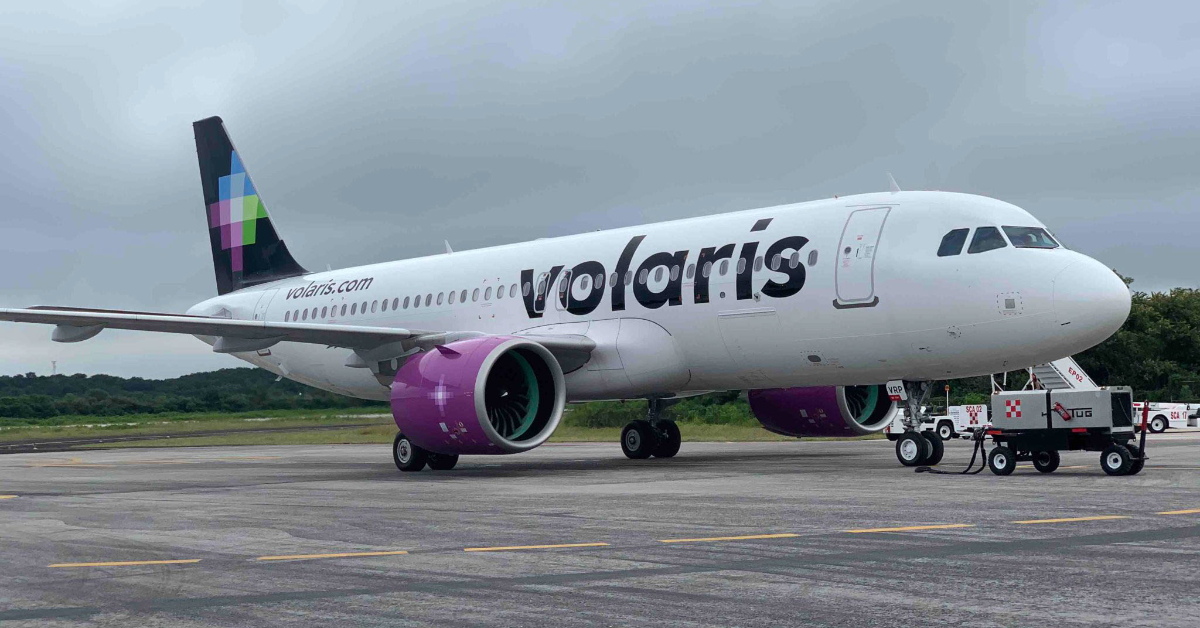
All the new flights are scheduled to start in early June 2026 and will be served by Volaris’s Airbus A320 aircraft, which seats 186 passengers. Initial schedules vary by destination – some routes will run daily, while others operate several times weekly – but all are timed to ramp up just as World Cup festivities begin. To jump-start demand, Volaris has rolled out promotional fares as low as 29 pesos (about $1.50 USD) one-way on new domestic routes and around $84 USD on new U.S. flights. These special prices are available for travel from June through October 2026, encouraging early bookings from eager fans and travelers.
Investing in aviation infrastructure and talent
Jalisco’s World Cup preparations extend beyond flight routes. The state, Volaris, and airport operators are also investing in long-term infrastructure to support growing air traffic. As part of the announcement, Volaris and Grupo Aeroportuario del Pacífico (which operates Guadalajara’s airport) signed a letter of intent to establish a major maintenance base at Guadalajara’s airport. The planned facility will cover roughly 150,000 square meters and represents an investment of around $15–18 million USD. Its first phase includes building a 40,000-square-meter aircraft maintenance platform. Once up and running, this base will allow Volaris to perform comprehensive in-house servicing of its fleet in Jalisco, creating jobs and reducing reliance on outside maintenance hubs.
State officials are also eyeing the future of aerospace talent. In coordination with the University of Guadalajara, the government plans to create Mexico’s first dedicated aeronautical university campus near the airport. Local authorities in Tlajomulco – the municipality where the airport is located – have offered land for the project. The goal is to develop homegrown aviation engineers, technicians, and professionals, ensuring that Jalisco has the human capital to sustain its aviation growth for decades.
These efforts in infrastructure and education are part of a long-range vision. Jalisco wants the benefits of hosting World Cup events to outlast the final whistle, leaving a legacy of improved connectivity and economic opportunity. Upgrades to roads leading to the airport and other transport improvements are also underway so that visitors in 2026 – and residents afterward – enjoy smoother journeys.
Tourism boost and lasting impact
For expats and locals alike, the expanded flight network is poised to make travel easier and boost Jalisco’s profile. With Volaris’s new routes, the airline will reach a total of 60 destinations out of Guadalajara and 12 out of Puerto Vallarta, strengthening the state’s position as a top air travel gateway in Mexico. Volaris’s CEO Enrique Beltranena noted that Jalisco has been the airline’s home base for 20 years, and reaffirmed that commitment by adding these routes. The airline carried about 10.8 million passengers through Guadalajara in 2025 – accounting for over half of the airport’s traffic – and expects to carry even more with the World Cup bump. In fact, Volaris projects it could transport an additional 200,000 passengers to and from Jalisco in June 2026 alone compared to the previous year.
Local tourism officials report that Jalisco welcomed roughly 34 million visitors in 2025, and that figure is set to climb. Michelle Fridman, the state’s tourism secretary, has highlighted Jalisco’s readiness to host the world, citing steady growth in passenger arrivals. Hotels, restaurants, and tour operators in Guadalajara, Puerto Vallarta, and beyond are gearing up for a significant influx of international guests during the tournament.
Crucially, Jalisco’s leaders view this expansion as more than a one-time event boost. By linking Jalisco to previously underserved cities such as Saltillo and Aguascalientes, the state can spur new business and tourism opportunities within Mexico. Direct flights like Puerto Vallarta–San Luis Potosí or Guadalajara–Reynosa eliminate the need for travelers to detour through Mexico City, streamlining regional travel. Internationally, the new U.S. routes and the Medellín connection could foster enduring ties for tourism and investment.
As the countdown to 2026 continues, Jalisco is positioning itself as a key North American air hub and the main gateway to Mexico’s Pacific coast. The World Cup is the catalyst, but the improvements in connectivity are built to last. For the state’s growing expat community and local residents, this means better flight options will be available long after the final match. It’s a win–win legacy of world-class sports and smart planning.
With information from Diario de Vallarta, La Crónica de Hoy, El Informador, Líder Empresarial