Jalisco went to Rio de Janeiro looking for more than meetings. Officials say they pressed airlines across North America, Europe, and Latin America to expand access to Puerto Vallarta after Routes Americas 2026. The move matters because Puerto Vallarta already has a large international base, yet recent disruptions showed how much the destination depends on strong air links. What came out of those talks, and what still remains only a target, will shape the airport’s next phase of growth.
Jalisco makes its pitch in Rio
Jalisco is using Routes Americas 2026 to widen Puerto Vallarta’s international air network. After the March 3 to 5 forum in Rio, officials said they held about 30 meetings with airlines. The goal was to pursue new routes and add frequencies for Puerto Vallarta and Guadalajara. The pitch targeted North America, Europe, and Latin America. The meetings included Air Canada, WestJet, American Airlines, and United. They also reached carriers such as British Airways, Air France, Iberia, LATAM, Copa, and Avianca. Officials sold Puerto Vallarta as a leading beach destination. They presented Guadalajara as a hub for business, technology, and urban tourism. That distinction matters because airlines build schedules around different traveler profiles. Officials also argued that road links and the state’s 12 Pueblos Mágicos can widen a carrier’s catchment area. That lets Puerto Vallarta function as both a destination and a gateway. The meetings matter, but they are not the same as a launch. For now, Jalisco is building a pipeline of possible service, not announcing confirmed new flights.
Puerto Vallarta already has scale
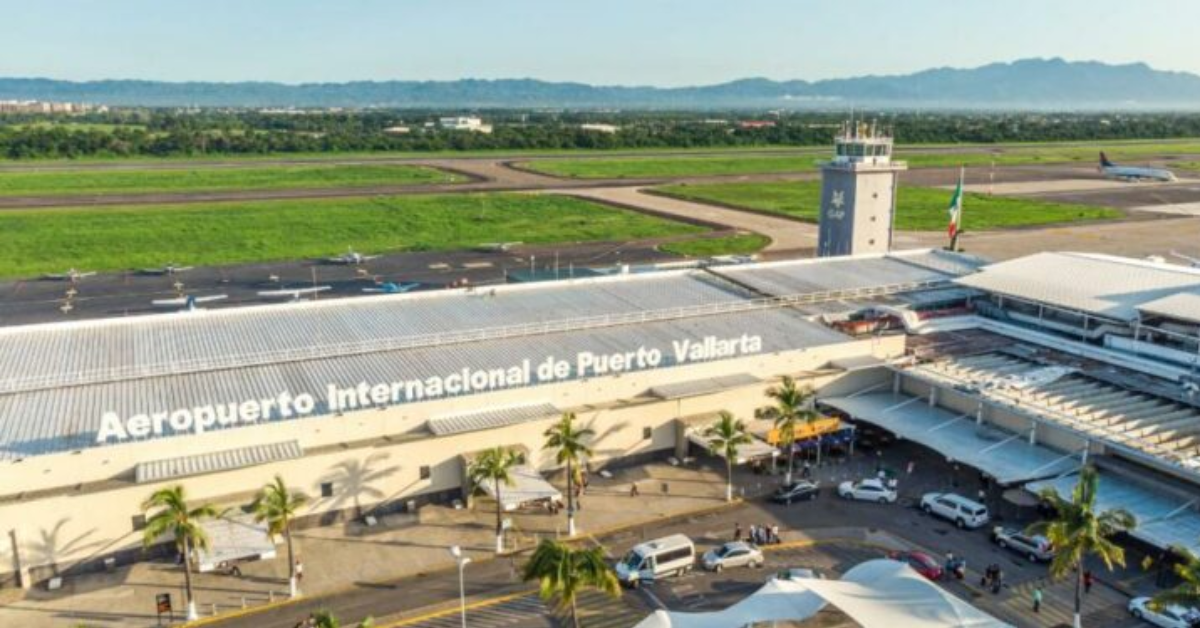
The push comes with a sizable base already in place. Jalisco says the state has added 39 air routes since 2025. That figure covers the state, not only Puerto Vallarta. The airport now operates 14 domestic routes and 42 international ones. That makes it one of Mexico’s strongest leisure gateways on the Pacific. The state also highlighted GAP’s modernization and expansion program. Officials put that investment at 26 billion pesos for Guadalajara and Puerto Vallarta. Recent traffic data helps explain why this matters. Puerto Vallarta closed 2025 with a record 6.9 million passengers. It then handled 731,700 passengers in January 2026. February traffic fell 5.3 percent after 141 flight cancellations on February 22 and 23. Those disruptions did not erase demand, but they showed how exposed the destination remains to air service shocks. That makes route growth, schedule depth, and airport capacity part of the same story.
What readers should watch next
For travelers, residents, and part-time residents, the takeaway is practical. More nonstop international service usually means more routing options and better seasonal coverage. It can also reduce dependence on one-stop itineraries. But the next real signal will not be another meeting. It will be airline filings, loaded schedules, and firm start dates. Jalisco already has some recent gains to point to. Air Canada has confirmed a new Montreal-Guadalajara route for June 2026. It also plans more Vancouver-Puerto Vallarta flights for the summer. Volaris has also expanded service from Guadalajara and Puerto Vallarta ahead of the 2026 World Cup. Those moves show the state’s air strategy is active, even if many talks in Rio remain exploratory. For Puerto Vallarta, the route push is not only about more tourists. It is also about keeping the destination easier to reach after a volatile February and before a busy 2026 calendar.