Just before one of the busiest travel periods on Mexico’s Pacific coast, federal health testing gave Puerto Vallarta and Bahía de Banderas a needed green light. Every beach checked in both areas came in below Mexico’s bacteria limit. For residents and visitors, that sounds simple, but it is not. The latest report offers a snapshot, not a guarantee. Here is what the new readings showed, what fit for recreational use really means, and why the timing matters.
Puerto Vallarta and Bahía de Banderas get a pre-holiday green light
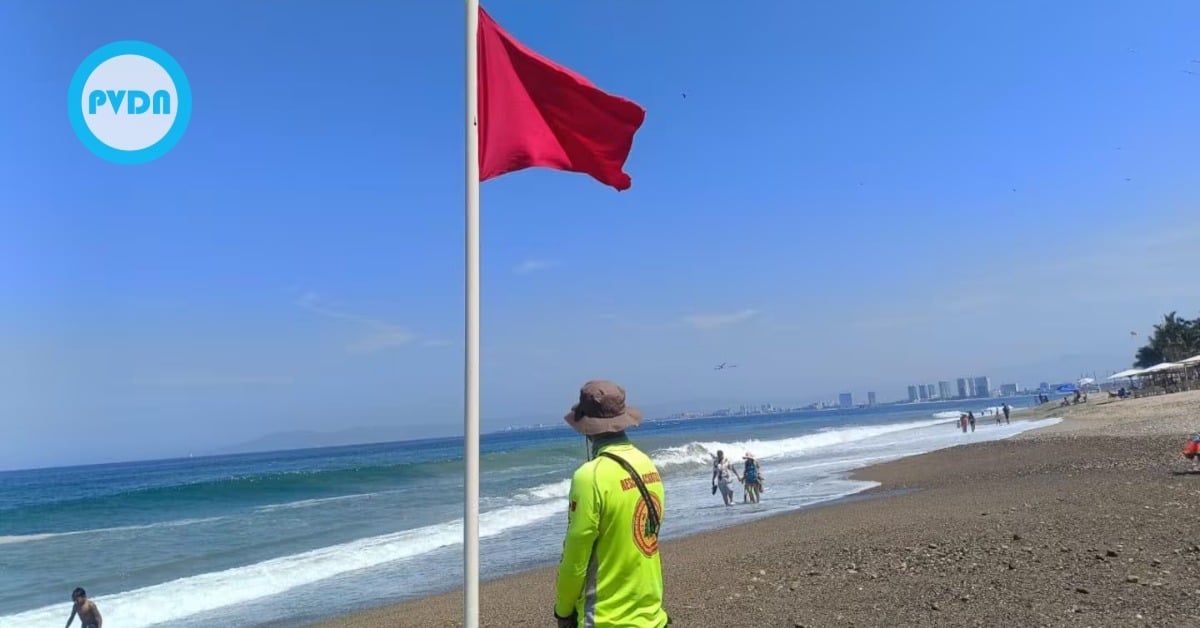
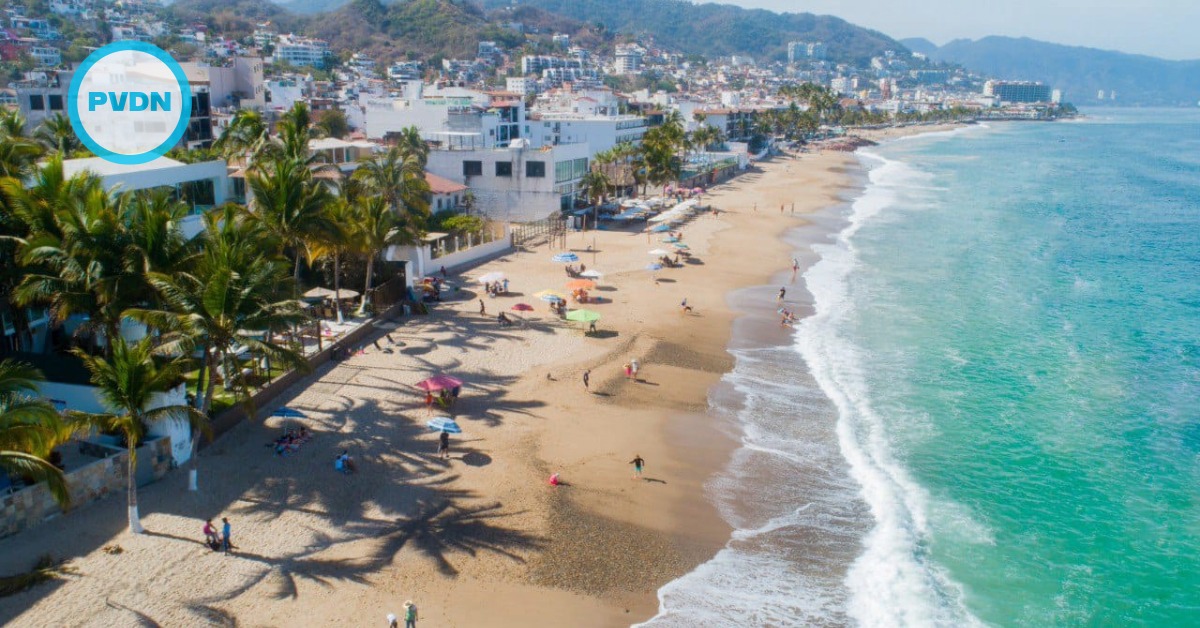
The beaches of Puerto Vallarta and Bahía de Banderas were found fit for recreational use ahead of Semana Santa, the Easter holiday period that brings one of the year’s heaviest waves of travel to Mexico’s beach destinations.
The latest monitoring found all sampled beaches in both coastal areas below the Mexican health limit for enterococci, the bacteria indicator used to measure possible contamination in seawater. In Puerto Vallarta, samples were taken between March 2 and March 12. In Bahía de Banderas, sampling ran from March 2 to March 9. The reported readings ranged from 10 to 29 NMP per 100 milliliters, well below the national limit of 200.
That matters because these beaches are not just tourist postcards. They are daily public spaces for local families, workers, and residents, including many foreign retirees and long-term expats who use the coast year-round. A clean result before the holiday rush is both a public health signal and a practical one.
What the latest readings showed
In Puerto Vallarta, the lowest readings were reported at Camarones, Las Ánimas, and Oasis. The highest reading in the local group was Mismaloya, but it still remained within the federal safety range. Other Vallarta beaches included in the review were Yelapa, Quimixto, Gemelas, Los Muertos, Cuale, and Las Palmas.
In Bahía de Banderas, the readings also stayed low. Nuevo Nayarit, Sayulita, and Bucerías II were among the lowest. El Anclote and La Cruz de Huanacaxtle posted the highest values in that group, but they also stayed below the health threshold. Other beaches included in the review were Bucerías, San Francisco, and additional sampling points in the area.
For beach users, the takeaway is simple. The coast entered the holiday period with a favorable federal reading. That does not mean every stretch of water is identical. It means the sampled beaches met the standard used by Mexico’s health authorities at the time of testing.
What fit for recreational use actually means
The phrase fit for recreational use can sound broader than it is. It does not mean the water is sterile. It does not mean conditions cannot change. It means the level of enterococci found in the sampled seawater stayed below the federal benchmark used to estimate health risk for swimmers and other beach users.
Mexico uses 200 NMP of enterococci per 100 milliliters as the key threshold in this monitoring system. Enterococci are used because they can signal fecal contamination and help authorities assess whether seawater may pose a risk to people with direct contact. The beach program is federally coordinated and includes routine checks before major holiday periods, when beaches receive more visitors and public exposure is higher.
This year’s Semana Santa 2026 monitoring covered 289 beaches and 2,358 water samples across Mexico’s main coastal destinations. That wider federal system is the framework behind the local green light now given to Puerto Vallarta and Bahía de Banderas.
Why the timing matters
The timing is important because Semana Santa is one of the strongest travel periods on Mexico’s calendar. Crowds increase quickly. Hotel occupancy rises. Day trips multiply. So does pressure on roads, public services, drainage systems, and shoreline sanitation.
That wider context helps explain why water quality reports draw attention every year. They arrive just before the coast shifts into high-use mode. In Puerto Vallarta, local authorities have also announced a holiday operational plan focused on water, drainage, and sanitation services in tourist-heavy areas from April 1 to April 6. That does not replace beach monitoring, but it shows the same concern from a different angle: keeping basic systems working when demand jumps.
For international readers, this is also one of the more useful distinctions to understand in Mexico’s coastal reporting. A beach story is often not only a beach story. It can also be about infrastructure, sanitation, public health oversight, and a destination’s preparedness for a sudden surge in visitors.
A clean result is not a permanent guarantee
The most important caution is that beach conditions can change quickly. Heavy rain, urban runoff, sewage leaks, failed pumping systems, illegal discharges, or even pressure from high visitor volume can quickly alter readings. That is why the federal result should be read as a snapshot of current public health, not a season-long promise.
Puerto Vallarta’s own recent history makes that clear. Mismaloya, which posted the highest local reading in the current review at 29, had been marked not fit for recreational use in the winter 2025 monitoring, when it registered 482. The swing from one report to the next shows why current testing matters and why beach users should still pay attention to updated local advisories, especially after storms or unusual runoff.
The same broader lesson applies across the bay. Beaches can recover, but they can also worsen. That is why pre-holiday reports matter. They give residents and visitors a verified baseline at the start of a busy period, while also reminding everyone that coastal water quality depends on what happens on land as much as what happens at sea.
With information from COFEPRIS