Puerto Vallarta officials say the city may finally break ground this year on a long-discussed autism care center. The project matters beyond one building. It points to Jalisco’s efforts to move specialized services closer to families who now face long waits, limited options, or repeated trips to larger cities. For many readers, the bigger question is not only when construction starts, but what the center is expected to do, who it will serve, and whether it can meaningfully change access to care in the region.
Puerto Vallarta says autism center could begin construction in 2026
Construction of a new autism care center in Puerto Vallarta could begin this year, according to the municipal DIF system, marking the clearest timeline yet for a project that has been moving through administrative and property steps for months.
The update matters because the project is not being presented as a standalone local effort. It is part of a broader push by DIF Jalisco and the state government to expand specialized autism and disability services beyond the Guadalajara metro area. For Puerto Vallarta families, that could eventually mean shorter travel times, more local therapies, and a more stable place to seek support.
Local DIF director Zaira Castillón said the city is in the final stretch of administrative procedures needed to formalize collaboration with the state and begin the work. She also said that, if those steps are completed as expected, the goal is to start construction in 2026 and move toward an opening early next year.
What the project is and where it would be built
City documents and local officials indicate the new center is planned for the La Lija-Coapinole area, on property tied to the former municipal shelter site. In late 2025, Puerto Vallarta approved the donation of 5,190.02 square meters to DIF for the construction and operation of a Centro Integral de Autismo.
That property step was important because it moved the project from a general promise to a more defined public work. The municipal records also show the land action was framed as part of a larger state-backed strategy to strengthen services for people with autism and intellectual disabilities outside the state capital.
In practical terms, this means the city is no longer talking only about the need for such a center. It has already taken a legal step to set aside the site. What remains is to turn that approval into an active construction project, with final coordination, budget execution, and the formal launch of the work.
Why this matters for Puerto Vallarta families
For many international readers, understanding what DIF is helps. In Mexico, the DIF system is the public family-development network that often handles social assistance, disability support, rehabilitation, child welfare, and programs for vulnerable groups through state and municipal branches.
In Puerto Vallarta, some services already exist through the Unidad Regional de Rehabilitación. Officials have said the new center could take on part of that demand and allow specialized services to be concentrated in one place. The stated goal is not only to create another public building, but to expand the range of therapies and increase the number of people who can be seen.
That could matter in a city where families often have to piece together care through private providers, nonprofit support, public rehabilitation units, or travel to larger urban centers. For autism services in particular, access is often shaped by waiting lists, the availability of trained specialists, and whether families can afford the time and transport needed for regular therapy.
The bigger Jalisco plan behind the local project
Puerto Vallarta’s project sits inside a larger Jalisco network of regional autism and disability centers. DIF Jalisco has said the state is developing four regional centers in Tepatitlán de Morelos, Lagos de Moreno, Zapotlán el Grande, and Puerto Vallarta.
That matters because the state has openly acknowledged a long-standing imbalance in care. Specialized autism services have been more concentrated in the Guadalajara area, while families in other regions often face longer trips and fewer options. The regional-center model is meant to change that by moving therapy, evaluation, and family support closer to where people live.
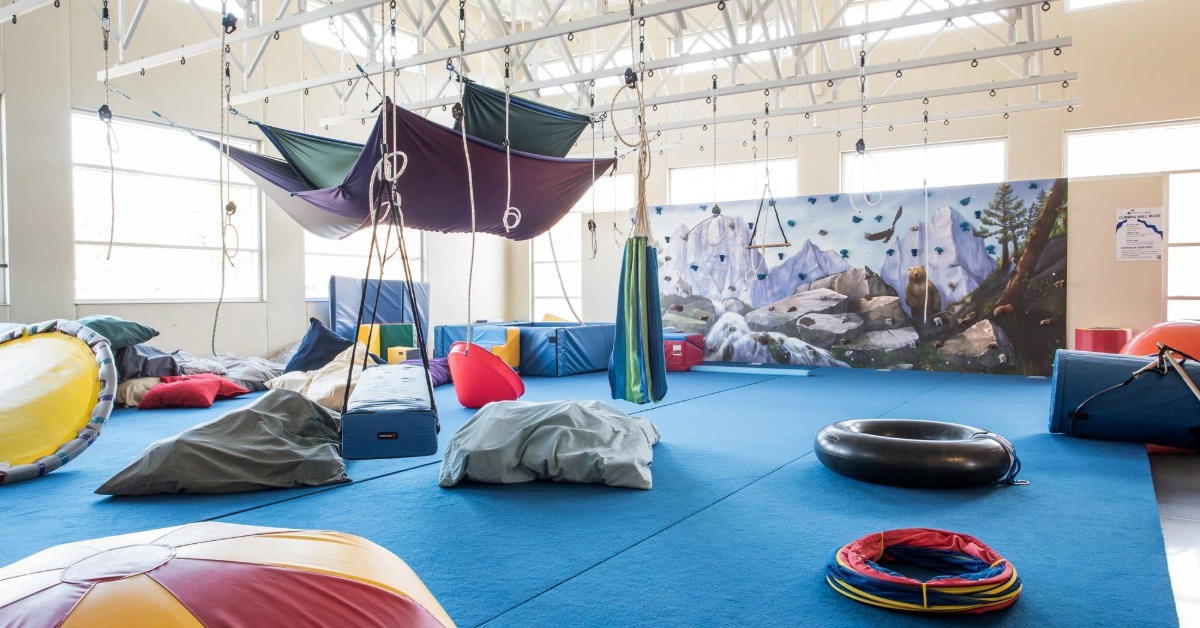
State officials have also described the centers as part of a wider model that goes beyond early childhood care. The public description includes services for children, adolescents, and adults, along with therapeutic attention, language support, cognitive stimulation, family training, and some pre-employment or life-skills activities aimed at greater independence.
What the state has said these centers are supposed to do
Jalisco officials have been outlining this model since 2025. When the first regional center began construction in Tepatitlán, the state described it as a specialized facility designed to reduce the burden on families who had been traveling to Guadalajara for services. DIF Jalisco later said the regional network would help residents of interior municipalities continue developing daily living skills and support broader inclusion, including work-related preparation.
That gives Puerto Vallarta residents a rough picture of what may be coming, even if the final operating details for the local site have not yet been publicly presented in full. If the Puerto Vallarta center follows the broader state model, families could expect a facility designed for ongoing support rather than just occasional consultation.
Even so, the timeline should still be treated with caution. The latest local statement says construction could begin this year, not that it has already started. Large public projects often move through separate stages, including legal transfers, intergovernmental agreements, infrastructure planning, and contracting. Until the first stone is actually laid, there is still room for delay.
What to watch next
The next meaningful sign of progress will be a formal construction start, not only another announcement. That could come through a groundbreaking event, a state infrastructure notice, or a public update on the final collaboration agreement between Puerto Vallarta and Jalisco.
Readers should also watch for clearer information on capacity, staffing, and service scope for the Puerto Vallarta site. State documents tied to the broader network have suggested a sizable model for regional attention, but the city has not yet released a detailed public operating plan specific to this location.
If the project moves on the timeline officials now describe, Puerto Vallarta would gain a new piece of public social and health-support infrastructure with regional importance. For local families, that would not solve every access problem overnight. But it could mark a real shift from talk about inclusion to a concrete expansion of services closer to home.