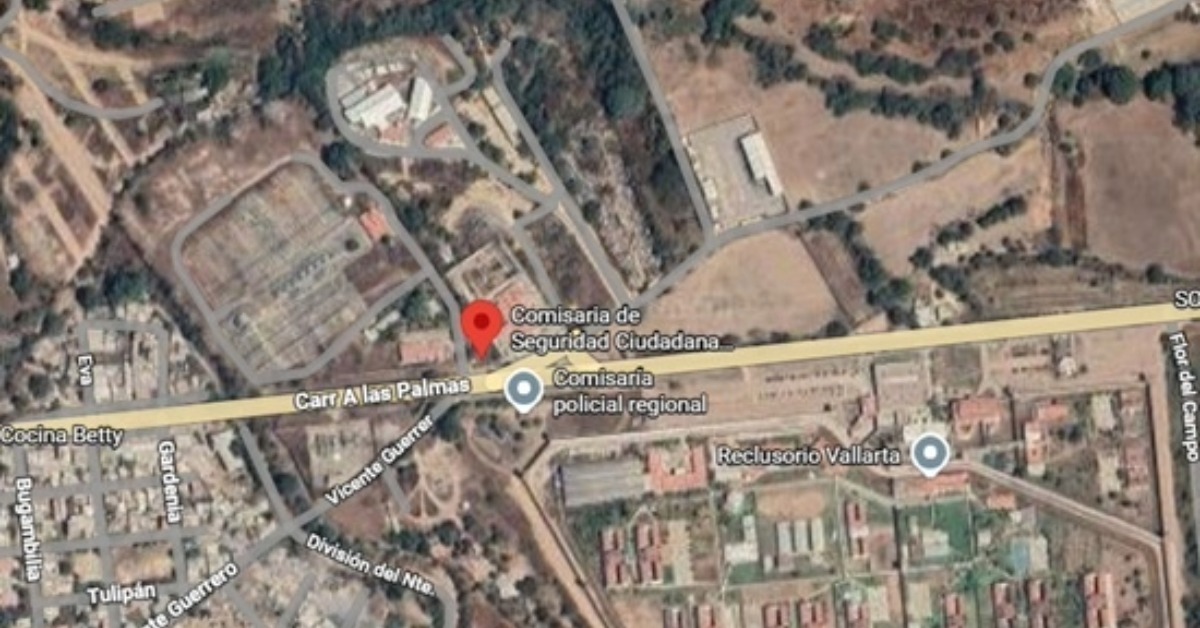
Puerto Vallarta’s council approved a 10-year loan of municipal land to SITEUR so the state agency can build an electric charging station and maneuvering yard for the city’s new electromobility system.
The approved site covers 10,100 square meters. It is not a sale of public land. The property remains municipal, but the state may use it for transport operations during the agreed term. Local officials described the vote as urgent because the first electric buses are expected to begin circulating within weeks.
The site was chosen for logistics, not visibility. Reports on the council discussion place it along the Ixtapa–Las Palmas road, near the Public Security Commissariat and close to the municipal slaughterhouse. That location matters because an electric fleet needs more than buses. It also needs a place to charge, stage, store, and monitor the vehicles between trips.
Why the depot matters more than it may seem
For many readers, the land deal may sound like a small administrative step. In practice, it is one of the pieces that determines whether the new electric bus route can operate as announced.
Electric buses do not function like a standard diesel fleet. They need dedicated charging infrastructure, power equipment, and enough room for circulation, parking, and maintenance support. Public reports on the project say the site is expected to include not only the electrolinera, but also substations and administrative and operating space. Without that backbone, the buses can be presented, but not sustained in daily service.
That helps explain why the land question reached the council now. Earlier this month, the state presented the first seven electric buses for Puerto Vallarta and said they would begin operating in the first week of May. The municipal land decision appears to be the local step needed to support that timetable.
What the new system is supposed to change
The state has described the Vallarta project as part of a broader shift toward electromobility in Jalisco. In the first phase already announced, the buses are expected to serve key movement corridors, including Francisco Medina Ascencio, Camino hacia Ixtapa, Marina Vallarta, and the Centro Universitario de la Costa.
That geography matters because it connects places used heavily by workers, students, airport-area travelers, and many residents who move between the north side, the Marina zone, and central Puerto Vallarta. For foreign residents, the project may be most visible in the Medina Ascencio corridor, where congestion, long waits, and uneven service have been recurring complaints.
Officials have said the vehicles are Yutong electric buses with low floors, air conditioning, universal accessibility, device-charging ports, and real-time video surveillance. Public descriptions of the larger plan say Puerto Vallarta is expected to receive 19 electric units in total for this system, with four trunk routes, one complementary route, 11 main stations, 110 stops, and a target frequency of about five minutes.
If that network is delivered as described, the project would represent more than a fleet replacement. It would be a redesign of how riders move through one of the city’s busiest corridors.
What readers should watch next
The approval does not mean the system is finished. It means one essential part now has a place to be built.
The next question is execution. Residents will want to know when construction of the charging yard actually begins, how quickly electrical infrastructure can be installed, and whether the early May operating target holds. Riders will also need clearer information on final routes, station locations, payment options, and how the new service will connect with existing buses.
There is also a broader public-interest angle. Puerto Vallarta has spent years dealing with complaints over bus quality, long waits, aging units, and weak route integration. A cleaner fleet is important, but cleaner buses alone do not solve a broken system. The success of this project will depend on whether the state and city can turn a promising launch into dependable daily service.
That is why the land loan matters. It is not the headline most people were waiting for. But it is the sort of decision that often determines whether a transportation promise remains a presentation or becomes something people can actually use.