Puerto Vallarta is set to begin operating new electric buses in early May, but the announcement raises a bigger question about how the full transport overhaul will unfold. State officials presented the launch as a major step for the city’s main tourist corridor, with larger buses, air conditioning, and accessibility upgrades. For riders, workers, students, and visitors, the change could improve daily trips. It also puts fresh attention on delays, route design, fares, and whether the larger plan will arrive as originally promised.
Puerto Vallarta to receive new electric buses
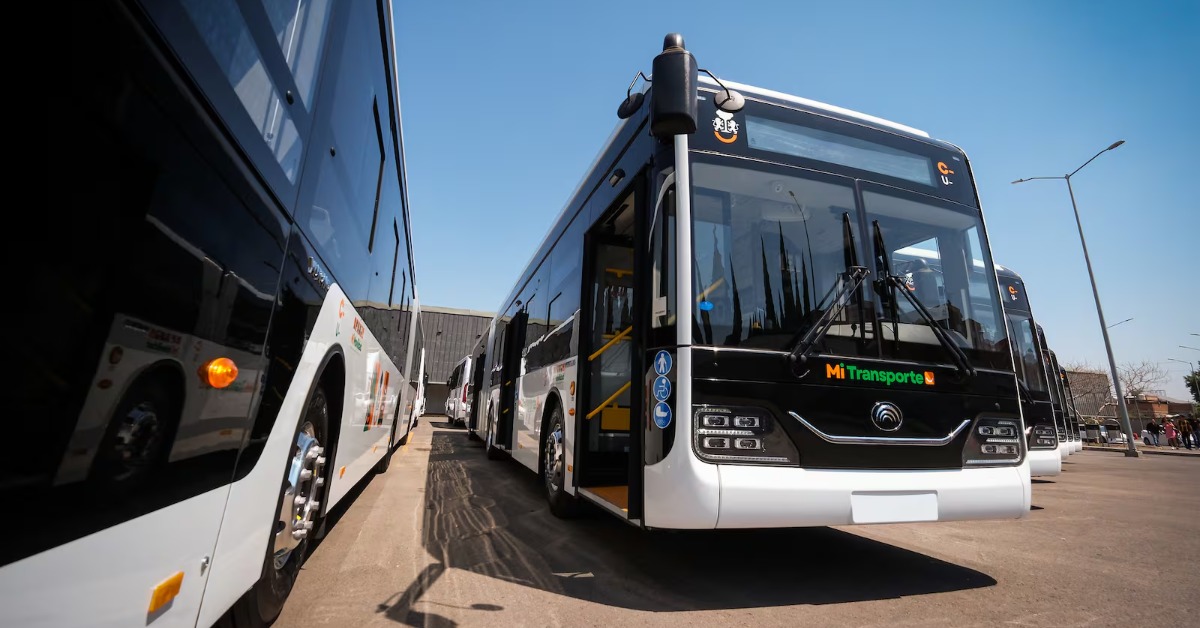
Puerto Vallarta is expected to begin operating new electric buses in the first week of May, according to an announcement made Monday by Jalisco Governor Pablo Lemus. The new units are part of a transport modernization push centered on Avenida Francisco Medina Ascencio, one of the city’s main traffic corridors and a key route for workers, students, residents, and tourists.
The first phase now being presented appears smaller than earlier announcements suggested. State officials are now describing the rollout as the arrival of seven electric buses that will begin service on the corridor in May. Current reports say those units are the first block of a 19-bus electric operation planned for the city. That matters because the original project presented in January 2025 was framed as a much larger system, with 38 electric buses, four trunk routes, one complementary route, and service aimed at roughly 20,000 daily users.
For readers in Puerto Vallarta, the practical question is simple. Will this improve daily movement through one of the city’s busiest stretches? The answer could be yes, especially if the buses run with a reliable frequency. That corridor links areas that matter to everyday life, including Ixtapa access, La Marina, the airport zone, and CUCosta. If the service performs as advertised, it could reduce transfer friction and make trips more predictable during busy periods.
What the buses are expected to offer
The units now presented for Puerto Vallarta are 100 percent electric Yutong buses. Reports describe them as 18-meter articulated vehicles with low-floor access and room for up to 130 passengers. Officials also say they will include air conditioning, universal accessibility, onboard camera systems, and charging points for mobile devices.
Those features matter in Puerto Vallarta more than they might elsewhere. Heat, humidity, and crowding are regular complaints on local buses, especially on corridors used by students and service workers. Accessibility also remains a practical issue for older riders, people with disabilities, and anyone carrying bags, groceries, or luggage. For a city that depends heavily on tourism yet still serves local commuting needs, better buses are not only about image. They affect how the city works each day.
The state also says students will continue to have access to a 5-peso fare through the corresponding transport card programs. That keeps the project tied to a broader public transit policy in Jalisco, not only a tourism-facing improvement. For Puerto Vallarta, that distinction matters. A cleaner corridor is useful, but a corridor that also works for students and workers is what would make the project more meaningful over time.
Why this route matters so much
The focus on Francisco Medina Ascencio is not accidental. It is one of Puerto Vallarta’s most important urban arteries. It carries hotel traffic, airport access, university travel, work commutes, and local trips connecting neighborhoods to the city’s commercial and service core. Any transport upgrade placed there will have an outsized effect, whether it succeeds or struggles.
That also explains why officials have long linked this corridor to a wider modernization strategy. Earlier project documents and reports described a system with dedicated stations, transfer points, a connection hub near the airport, and reduced bus congestion in the central area. In theory, electric buses could help clean up both the passenger experience and the visual clutter of too many vehicles moving through the same road space.
For international readers, this is also a familiar story in Mexican cities. Public transport projects are often announced first in broad terms, then adjusted as delivery, financing, and operations take shape. What matters is not only the launch date. It is whether the state can move from a small, visible first step to a stable, citywide service pattern that riders trust.
The bigger question behind the announcement
The announcement is positive for Puerto Vallarta, but it also leaves an important gap. Officials have not yet clearly explained how the seven buses due to start in May fit the larger project first presented in January 2025. At that time, the state spoke about 38 electric units and a much wider operating structure. Current reporting now points to seven initial buses as part of a 19-unit electric phase.
That does not mean the larger plan has been abandoned. It may mean the state is moving in stages, with infrastructure, fleet delivery, or operational changes arriving over time. But until officials spell that out more clearly, riders are left comparing one promise with a different rollout.
That distinction matters because public transport is judged less by announcements than by consistency. If the first seven units arrive on schedule and operate with good frequency, that will build confidence. If service remains patchy, crowded, or limited to a showcase corridor without broader integration, many residents will see the project as incomplete.
What to watch next
The first thing to watch is whether service truly begins in the first week of May. The second is whether state officials publish clearer operational details, including stop locations, frequencies, payment integration, and how the rest of the fleet will arrive. The third is whether the buses improve actual travel times and comfort along the corridor, not just the system’s public image.
For Puerto Vallarta, this is a meaningful transport story because it sits at the intersection of urban growth, tourism pressure, and daily mobility. The city has needed better public transport for years. Electric buses alone will not solve that. But if this launch is followed by reliable service and a transparent buildout, it could become one of the more visible infrastructure upgrades residents feel in everyday life.
Deep Dive:
Puerto Vallarta electric buses promised before World Cup