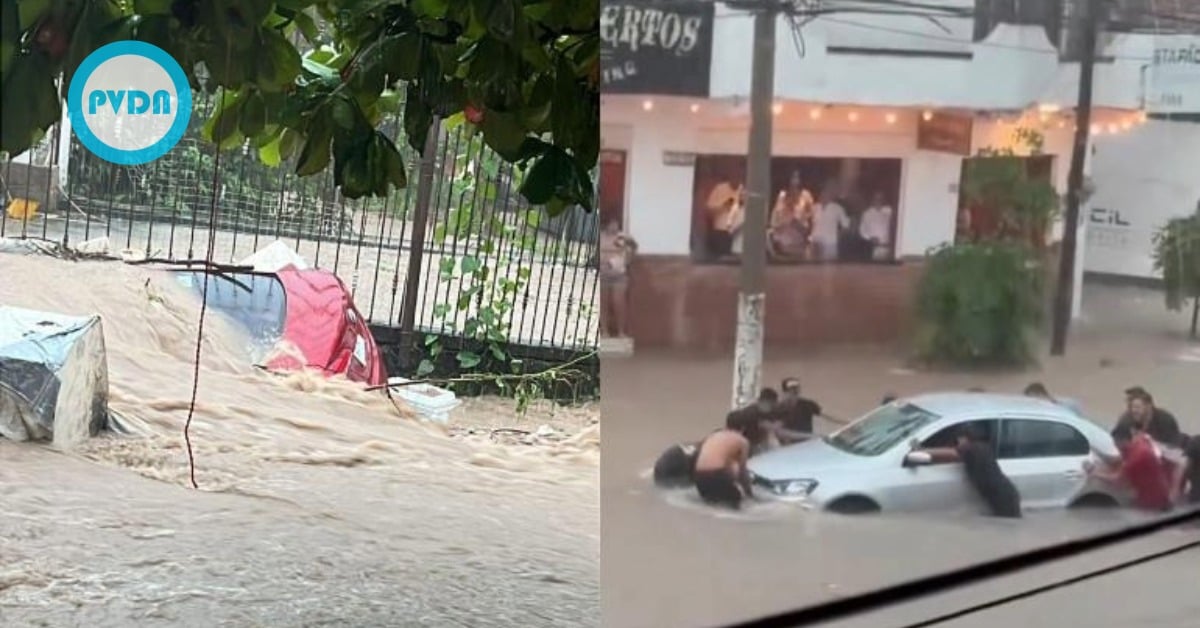
Drivers climbed onto car roofs, students rushed to higher floors, and phones lit up with flood videos as Puerto Vallarta flooding hit fast on Friday evening. Officials say dozens of homes took on water and cars were swept off side streets. The main campus shut down, and crews moved in through the night. We map the hardest-hit blocks, what Civil Protection reported, and what comes next for cleanup, transit delays, and weekend safety as rivers and drains settle.
A sudden, intense storm hammered Puerto Vallarta late Friday, September 19, 2025, turning key arteries into brown rivers and sweeping vehicles off the asphalt. Municipal Civil Protection reported no fatalities and a busy night of rescues as crews moved through flooded blocks to reach stranded drivers and families. Early counts point to vehicles carried by fast water, multiple flooded homes, downed trees, and several structural collapses across the city.
Hardest-hit areas include Agua Zarca, Fiscalía, Mojoneras, 544, 16 de Septiembre, and Sinaloa. Traffic ground down on Francisco Villa Avenue and stretches of Francisco Medina Ascencio near Las Glorias, where the water rose quickly over the laterals. Intersections around the University Center of the Coast (CUCosta) also went under, leaving cars stranded until the current eased and tow teams could move in.
Puerto Vallarta flooding
By evening, a stream overflow had swamped Universidad de Guadalajara Avenue by CUCosta. The campus suspended classes after 7 p.m. Friday and extended the pause into Saturday to clear mud and inspect facilities, asking students and staff to remain indoors until levels dropped. Puerto Vallarta flooding also pushed rescue teams into long patrols, coordinating with other municipal units to safeguard neighborhoods and start the slow work of cleanup.
Civil Protection’s preliminary tally cites 15 vehicles swept by currents, 42 homes with water damage, 12 people rescued, 12 fallen trees, and four collapses. Highway crews also worked to reopen problem spots, including areas near El Nogalito, after reports of debris. Despite the chaos, authorities kept repeating the best advice in a flash flood: don’t try to cross running water, by foot or by car. They credit those precautions—and fast deployments—for the night’s “saldo blanco.”
Flooding extended well beyond the hotel zone. Video from local outlets showed torrents in the Ixtapa area as the El Zarco arroyo jumped its banks, and residents described water lifting sedans like bath toys. Those scenes matched what first responders found across Vallarta’s low-lying pockets, where blocked drains and fast runoff can turn a 60-minute storm into a citywide tangle of closures.
The city is in the heart of the rainy season, when brief, violent cells are common. Earlier this week, heavy rain prompted evacuations at La Esmeralda beach after canal flooding—another reminder that a sunny afternoon can flip to an emergency in minutes. Civil Protection has also spent months asking residents to keep trash out of drains, a simple step that keeps water moving and reduces how quickly streets become impassable.
Cleanup and the weekend outlook
On Saturday, CUCosta kept classes on hold to give crews time to pump out water, remove debris, and check for damage before reopening. Around town, patrols continued in flooded blocks while transit police worked to restore safe traffic flow and reopen the worst chokepoints. Officials urged people to plan extra time, watch for sinkholes or missing drain covers after receding water, and avoid any crossing where the current is still moving. Expect some localized closures to linger through the day as assessments continue.
What we know so far: the storm flooded dozens of homes, swept at least 15 vehicles, and led to a dozen rescues; the worst damage clustered in familiar flood-prone corridors; and, crucially, there were no deaths reported overnight. The numbers may change as teams finish checks and take formal reports from residents, but the early picture is clear enough: quick water did the most harm, and fast work from responders kept this from becoming a tragedy.