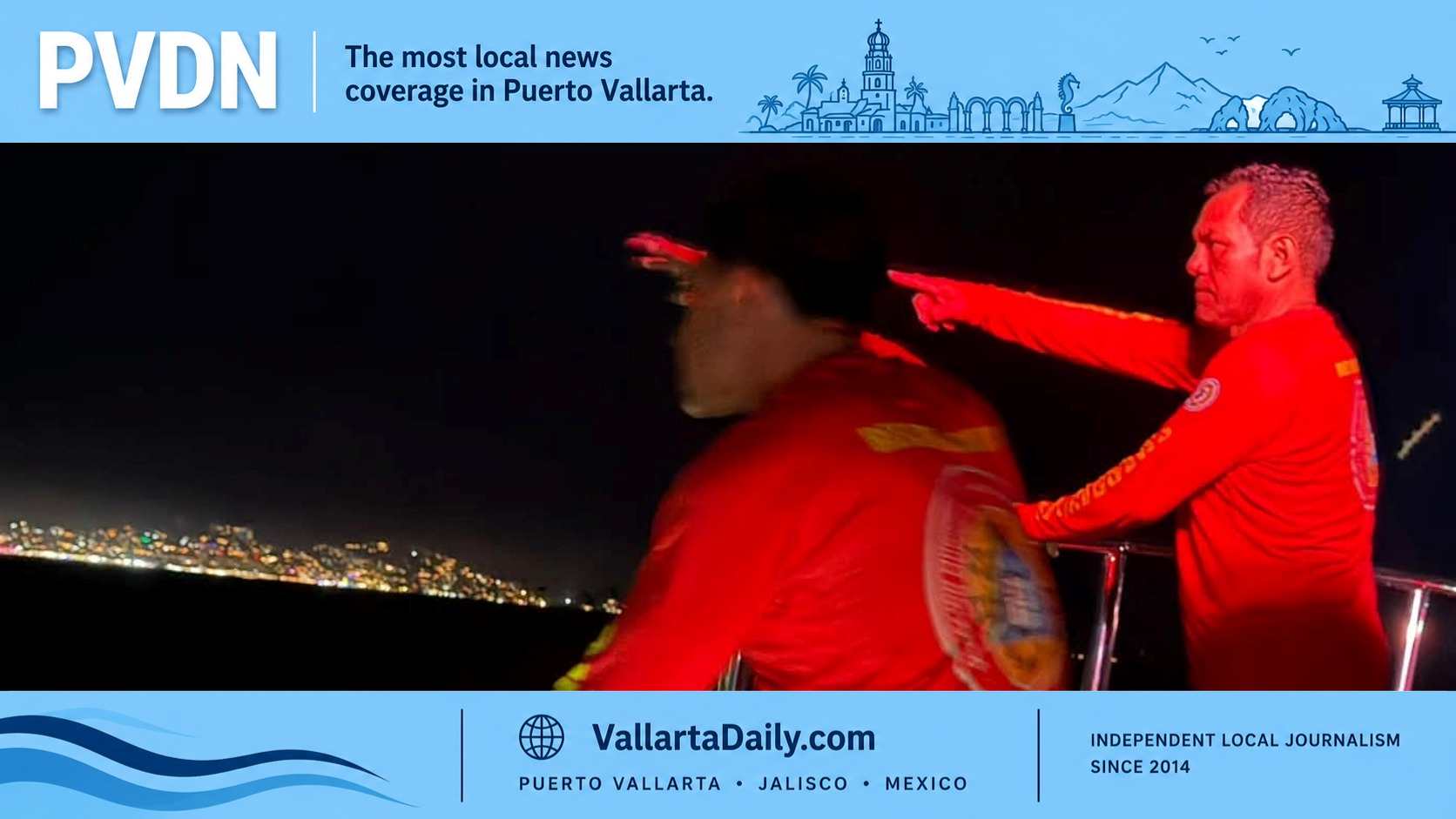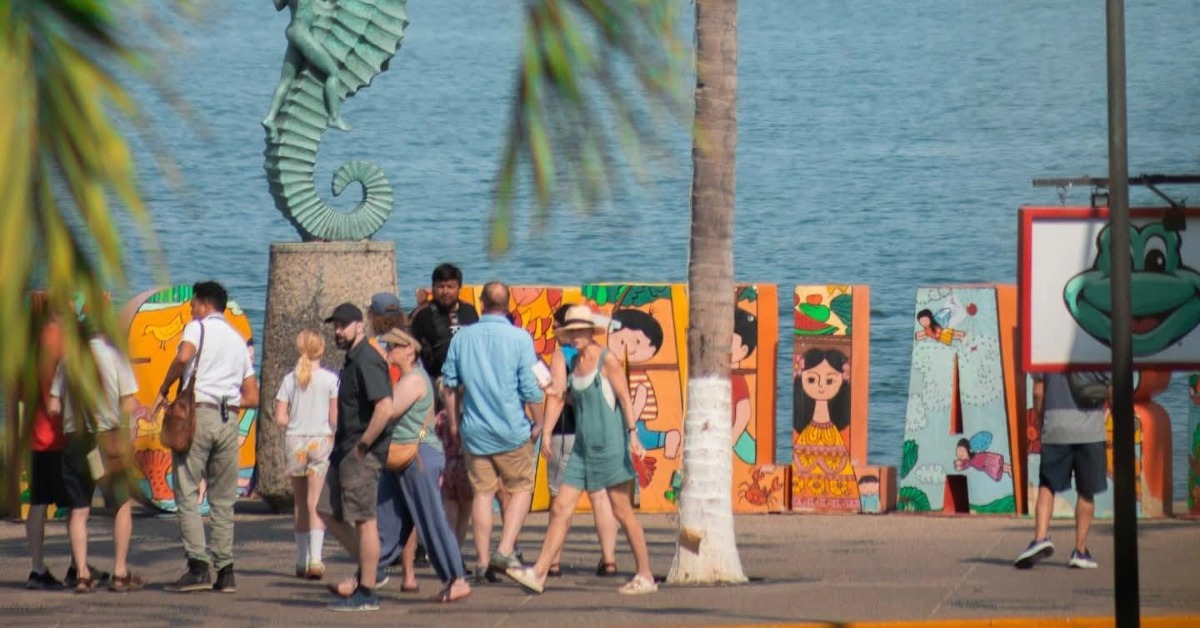
Puerto Vallarta’s World Cup preparations have moved into a security phase, with municipal, state, and business representatives reviewing a plan to deploy 641 police officers and 50 patrol units during tournament-related activities connected to Guadalajara’s role as host.
Security plan centers on tourist corridors
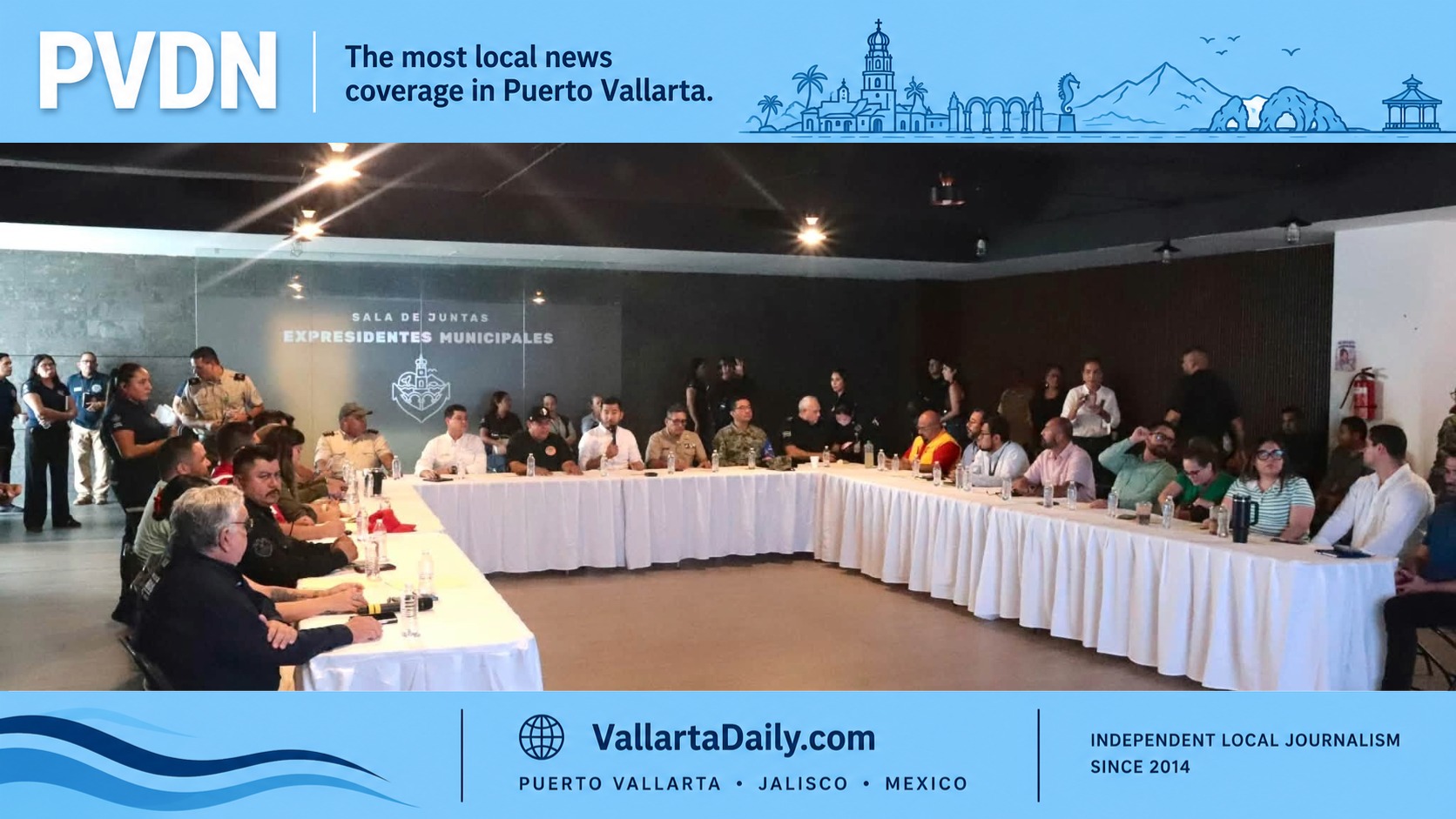
The plan was discussed during a security meeting at the Unidad Municipal Administrativa, where officials described an operation divided into three shifts and four regional quadrants. The stated goal is to keep at least 120 officers in each quadrant, with special attention to tourist zones and visitor contact points.
Authorities said the operation will rely on coordination among municipal, state, and federal agencies. The meeting report referred to 120 officers assigned to preventive and proximity work in tourist areas, though it did not detail how those posts fit within the larger 641-officer number.
It also did not specify when the operation formally begins, how long it will continue, or whether the staffing will come from regular shifts, overtime, or outside reinforcements.
Those gaps leave a basic capacity issue. Puerto Vallarta is not a match host city, but it is preparing for the side effects of nearby tournament traffic. Guadalajara will host four group-stage games, including Mexico’s June 18 match against Korea Republic, giving Jalisco one of Mexico’s biggest World Cup stages.
Tourism plans add pressure
The security planning sits alongside a tourism strategy that has been in the works for months. Local tourism leaders are targeting World Cup fans after matches with campaigns and hotel packages. Earlier plans also included public screens and Fan Fest activities in Puerto Vallarta, while airport stakeholders have already held aviation security planning tied to the tournament.
That creates a narrow line for city officials. Puerto Vallarta is selling itself as an easy coastal extension of the Guadalajara schedule, while security agencies are preparing for crowds that may not move on a clean match-day timetable. Visitors may arrive before games, stay after games, or use Puerto Vallarta as a base for hotels while traveling inland.
The announcement also comes after a sharp change in local perceptions of safety. A March 2026 security perception reading found that Puerto Vallarta’s share of adults who considered the city unsafe rose from 32 percent to 59.9 percent between December 2025 and March 2026.
That shift followed a February wave of violence in Jalisco that put Puerto Vallarta under national scrutiny. Governor Pablo Lemus later said he was not going to claim the city had returned to “absolute normal” and added that authorities were recovering normality “little by little,” according to his comments from Puerto Vallarta.
That background does not prove the World Cup plan is inadequate. It does explain why the deployment figures will be judged by visible coverage, response times, and whether tourist-zone staffing leaves other parts of the city thin.
What remains unclear
Several operational pieces are still missing from the public record. There is no published schedule for shift coverage, no public chain of command, and no explanation of how the 50 patrol units will be divided between hotel zones, the Malecón, airport corridors, highways, and neighborhoods.
If the plan is tied to Fan Fest or public viewing events, crowd-control details have not been released. Those details include emergency exits, medical points, alcohol-control rules, transit routing, and communication with hotels and event operators.