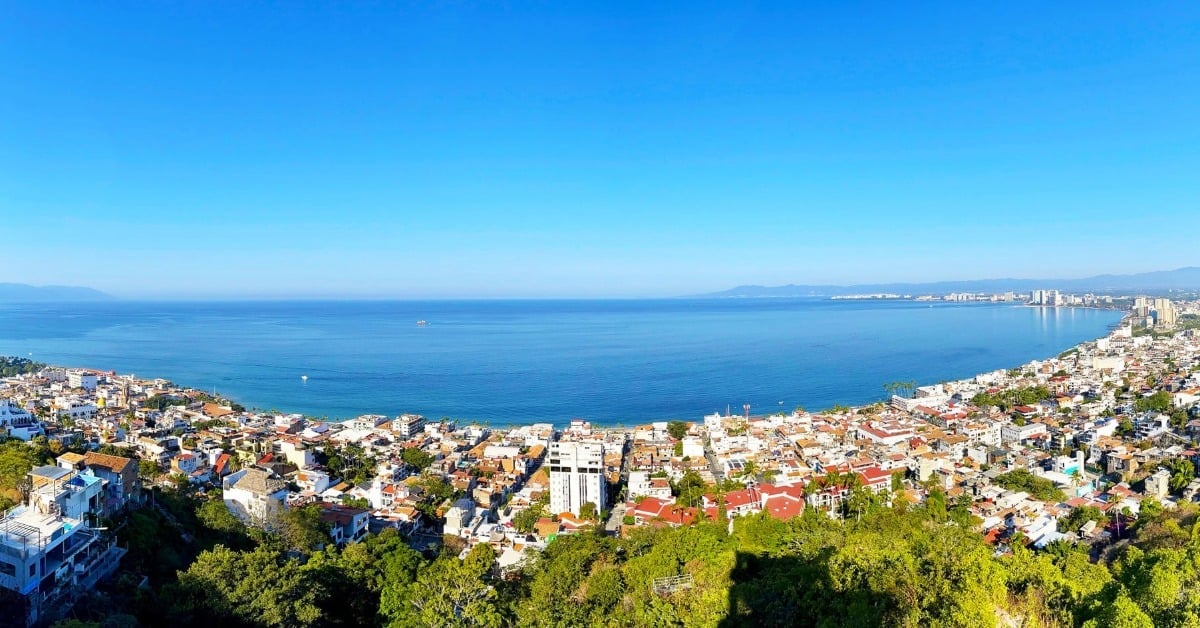
Puerto Vallarta, Jalisco – The U.S. Treasury’s Office of Foreign Assets Control (OFAC) today sanctioned four Mexican individuals and 13 companies operating in or near Puerto Vallarta, linking them to cartel-run timeshare fraud led by the Cartel de Jalisco Nueva Generación (CJNG). OFAC describes Puerto Vallarta as a CJNG stronghold and says the group has shifted beyond drugs into revenue streams like timeshare schemes and fuel theft.
Treasury Secretary Scott Bessent said the U.S. is “coming for terrorist drug cartels like [CJNG]” and will target any business models that prey on older Americans through timeshare scams. (Quote from official release.)
How the schemes connect to real deals
OFAC and partner agencies say CJNG-linked call centers pose as U.S. brokers, attorneys, or travel firms and dangle inflated offers to buy, rent, or “exit” timeshares. Victims pay supposed taxes and fees upfront—often via Mexican banks or brokerages—and the promised payout never comes. Scammers then re-target victims, even posing as officials, to extract more money.
This ecosystem feeds on insider data from legitimate resorts, giving scammers plausible details about owners, contracts, and weeks. The overlap between real listings and sham offers blurs the line for buyers and sellers, especially in Puerto Vallarta’s dense resort corridor and the Riviera Nayarit.
Who was named today
OFAC highlighted three senior CJNG figures it ties to timeshare fraud—Julio César Montero Pinzón, Carlos Andrés Rivera Varela, and Francisco Javier Gudiño Haro—and added actions under terrorism and narcotics authorities. The fourth person named today is Michael Ibarra Díaz Jr., a Puerto Vallarta businessman in tourism and timeshares, whose network of 13 companies spans real estate, travel, tours, auto services, and an accounting firm. OFAC says several of those firms openly market timeshare services.
The companies include Akali Realtors, Centro Mediador de la Costa, Corporativo Integral de la Costa, Corporativo Costa Norte, and Sunmex Travel, among others. OFAC says entities tied to Ibarra facilitated timeshare-related transactions and that the broader network supported CJNG’s fraud operations.
Why this matters in Puerto Vallarta
Puerto Vallarta’s economy relies on resort sales, vacation clubs, and a robust secondary market. Today’s designations push a bright red line into that market: U.S. persons are now barred from transacting with the listed people and companies, and assets under U.S. jurisdiction are blocked. Any entity 50% or more owned by a designated person is also blocked. That raises compliance stakes for local brokers, notaries, escrow agents, travel agencies, and tour operators that touch U.S. funds.
For legitimate players, the risk is practical, not abstract. A single payment routed through a blocked counterparty can trigger violations. OFAC enforces on a strict-liability basis; intent doesn’t excuse a prohibited transaction. Expect resorts and brokerages to tighten KYC, run SDN screening on counterparties, and demand clearer provenance for buyer funds and seller payouts.
Repeat actions, growing pressure
Today’s move is the fifth OFAC action against CJNG’s timeshare revenue line since 2023, following designations in March and April 2023, November 2023, and July 2024 that targeted Puerto Vallarta-based actors and companies. Treasury is pairing fraud-focused sanctions with broader terrorism authorities after the U.S. State Department listed CJNG as a Foreign Terrorist Organization on February 20, 2025.
That escalation matters for enforcement. Terrorism authorities expand the legal tools available to U.S. agencies and can reshape cross-border cooperation. For Puerto Vallarta’s timeshare market, it signals that resale and “exit” schemes are now squarely a national-security issue, not just consumer fraud.
The numbers behind the fraud
After a 2024 joint notice from FinCEN, OFAC, and the FBI, banks filed 250+ suspicious activity reports in six months tied to timeshare-related wires into Mexico—about 1,300 transactions totaling $23.1 million. The FBI counted roughly 6,000 U.S. victims losing nearly $300 million from 2019–2023, plus $50 million reported in 2024 alone. Officials say the real totals are higher because many victims never report.
What happens next
Under today’s designations, U.S. persons must avoid any dealings with the named people and firms and report blocked property to OFAC. Foreign banks risk secondary sanctions if they knowingly process significant transactions for designees. OFAC notes it can also remove names that meet legal standards for delisting, but warns of civil or criminal penalties for violations in the meantime.
For Puerto Vallarta, expect immediate reverberations: contract reviews paused, escrow agents heightening checks, and owners hearing from resorts about verified channels for resale or rentals. The core message from Washington is blunt: keep real transactions clean, and starve the frauds of oxygen.