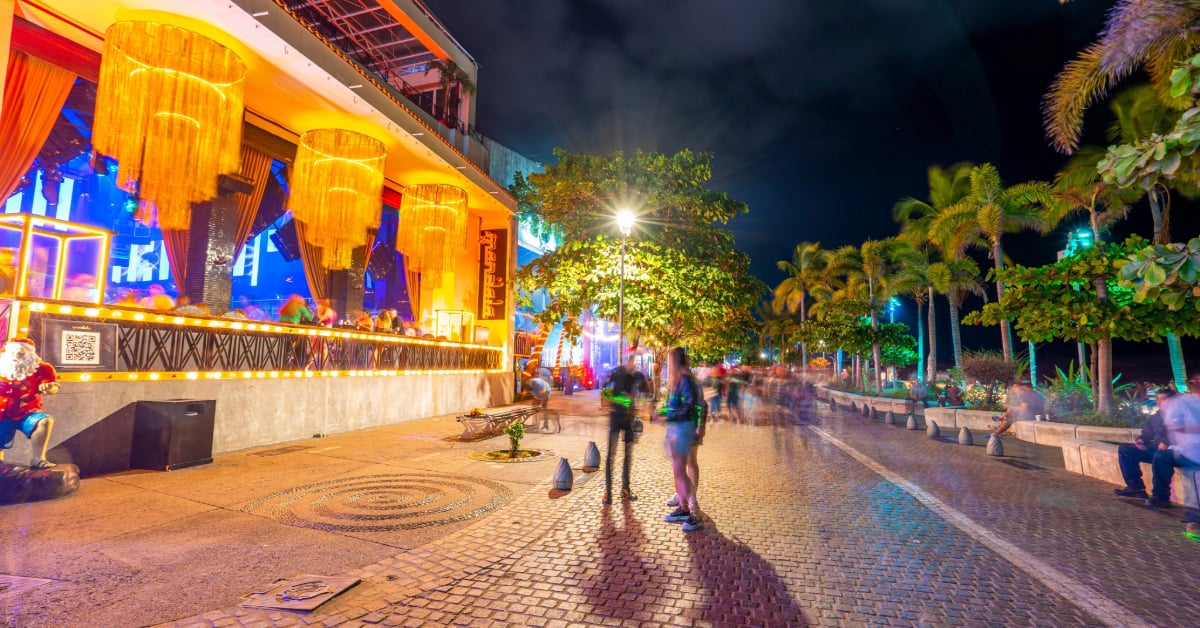
A busy city with quiet tills
Puerto Vallarta looks full. It does not feel prosperous to the people ringing up sales. Merchants along the Malecón describe afternoons when visitors stop for photos, not purchases. Restaurant owners say summer tables turned out less than expected. The employers’ chamber sums it up as a “quite low” season for consumption, even as occupancy sits near 80 percent. The headline number flatters. The street-level economy tells the story.
The resort effect on neighborhood sales
All-inclusive packages are convenient. They can also act as a dam. When visitors have already paid for three meals a day and evening entertainment, the impulse to try a taquería, book an independent tour, or browse a gallery drops. Businesses closest to hotel corridors feel it first. Farther out, the ripple hits markets, fishermen, and makers who supply those storefronts.
The pattern is visible on the Malecón. People pass, ask prices, and move on. Vendors call it a “low season” not because foot traffic vanished, but because Puerto Vallarta tourist spending stalled where it matters—in small, frequent transactions that keep neighborhoods humming.
Puerto Vallarta tourist spending is the missing link
Chambers are aligned with the problem. They differ on timing and tone. The restaurant association admits a hard holiday period but expects a rebound late in the year. The small-business chamber points to improved road and air links and forecasts double-digit growth, with weekend peaks lifting averages. Both outlooks depend on one thing: pulling wallets out of resorts and back into the city’s everyday economy.
Learn more about the Puerto Vallarta local economy
That shift does not require tearing down the all-inclusive model. It requires redesigning it so the city shares in its success. Think of credits redeemable at independent eateries, hosted neighborhood tastings, or transportation included to reach markets and cultural districts. The package remains convenient. The value disperses.
What leaders said when they looked ahead
At a June strategy forum in the city, major platforms and hotel groups delivered a blunt message: Puerto Vallarta must refresh its story without losing its character. The call was not for a slogan but for a narrative that makes visitors want to meet the place—not just see it from a pool chair. State tourism officials pushed for decisions that match tourism’s weight in the economy, from basics like services and training to how the destination presents itself to younger, choosier travelers.
Those discussions often land on “diversification.” It matters, but it is step two. First, make spending outside hotel walls easy, safe, and rewarding. Then broaden the offer—medical and wellness stays that engage local nutrition and care, mountain and bay adventures with certified guides, studio visits and neighborhood walks that put artisans in view, sports events that bring family travel in shoulder weeks, and a film-friendly ecosystem that ties shoots to public screenings. Each of those segments succeeds only if the pesos reach the people who host them.
The fall test
A lift may come in October as Canadian travelers return and year-end holidays approach. Weekend peaks could push occupancy higher. If most of that value remains inside resorts, the city will still feel busy and underpaid. If hotels and public agencies together lower the friction to explore—and share the spotlight with neighborhoods—the same crowds can produce a different ledger.
The ask is practical. Guide guests off the property with intent. Make the streets an easy choice after sunset. Let the front door to Puerto Vallarta be the Malecón again, not the wristband. Do that, and Puerto Vallarta tourist spending stops being an abstract KPI and starts looking like full tip jars, steady bookings, and orders placed with local suppliers who make the city run.