An American resident dies after a Puerto Vallarta whale collision near Olas Altas Beach, as rescuers aid survivors and authorities investigate.
A quiet afternoon off Olas Altas turned deadly when a small boat carrying two American women collided with a whale just off the Puerto Vallarta shoreline. One of the women, a longtime local resident in her early seventies, died almost instantly from a neck injury. The other, a 55-year-old woman identified locally as Lari, survived with head trauma and is reported stable.
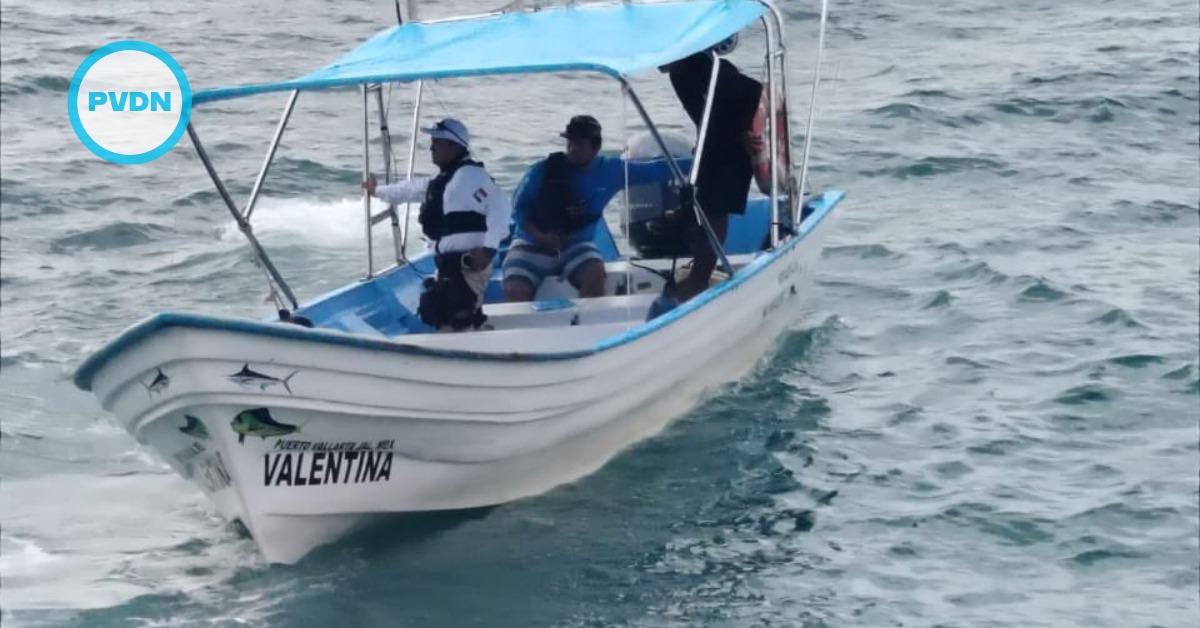
The crash happened at about 3:40 p.m. on December 5, 2025, just a few hundred meters from the La Lavandera statue, in waters that are usually busy with swimmers, pleasure boats, and marine life. Local civil protection crews and firefighters rushed to the scene after an emergency call reported a serious injury on board a small motor boat.
Officials say the vessel was following its usual route when a whale surfaced and struck the hull. The boat did not sink and appears to have avoided major structural damage, but the impact threw the older passenger violently inside the craft. Authorities say the blow caused a traumatic neck fracture that killed her at the scene.
The victim was a U.S. citizen who had settled in Puerto Vallarta and is known locally as Linda Hite. Local reports say she was originally from Idaho but had made the resort city her home, living in a residential complex near the hotel zone. For many residents and foreign retirees in the area, her death feels especially close, turning a familiar stretch of bay into the setting for a rare but devastating accident.
How the Puerto Vallarta whale collision unfolded
According to civil protection officials, the boat was moving along its normal coastal track when the whale appeared without warning beneath or beside the hull. The captain reportedly felt a sudden impact from below, followed by chaos on deck as the passengers were thrown off balance.
Fire chief Jorge Misael López Muro explained that the whale’s size meant the animal likely absorbed much of the impact, while the smaller craft and its passengers bore the brunt of the sudden jolt. The whale did not show obvious injuries and was not reported stranded or bleeding in the area.
Emergency teams found the boat still afloat near Olas Altas, with the deceased woman on board and other passengers receiving first aid from lifeguards and paramedics. Lari, 55, suffered a head injury but remained conscious and stable as medics assessed her on the beach and arranged further care.
Early versions of the incident suggested more than two tourists might have been involved, but later accounts from authorities and local media point to the two American women as the only passengers. The captain and crew, whose names have not been released, are expected to give detailed statements as part of the official investigation.
The Jalisco State Prosecutor’s Office has opened a case to determine exactly how the collision happened, whether maritime rules were followed, and whether any criminal responsibility exists. For now, officials describe it as an unusual accident in otherwise calm conditions, with no immediate sign of mechanical failure or reckless behavior.
Investigators will likely analyze GPS tracks, speed, and weather data, along with interviews from crew, the surviving passenger, and nearby boat operators. That work will help clarify whether the whale surfaced directly under the vessel, whether the boat may have approached the animal too closely, or whether the collision was simply unavoidable given the speed and distance involved.
Beyond the legal questions, the scene left witnesses rattled. A vessel that looked normal from shore carried a stark contrast on deck: one woman being treated for injuries, another covered and awaiting forensic staff, and crew members trying to answer rapid-fire questions from authorities in the middle of a tourist-packed bay.
Whale collisions are rare, but they are a known risk wherever large marine mammals and boats share tight coastal spaces. Studies on vessel strikes have found that collisions between whales and small or medium-sized boats can cause serious, sometimes fatal injuries to people on board, even when the vessel itself survives the impact.
In Mexico, at least one other fatal collision between a whale and a tour boat has been documented in recent years on the Pacific coast, where a whale strike off Cabo San Lucas killed a Canadian tourist and injured others. Researchers studying whale-vessel strikes in the eastern tropical Pacific have also noted that small boats face particular danger, as passengers are exposed and often seated close to hard surfaces that can become deadly during a sudden impact.
Whale tourism safety back in the spotlight
The accident comes just as Banderas Bay enters its busy whale season. Humpback whales migrate into the region each winter, and tour companies promote dedicated watching trips from December through March. Some operators mark the official start of the season around December 8, but in practice whales often appear days or weeks earlier, sharing the bay with fishing boats, water taxis, private yachts, and party cruises.
That growing mix of traffic has raised alarms among marine biologists and conservation groups. Earlier this year, experts warned that plans to expand maritime infrastructure in Banderas Bay could increase collision risks for both whales and humans, as more vessels crowd the same migration corridors. They argue that without careful speed controls, exclusion zones, and strict enforcement of approach rules, the chance of another collision rises as the fleet grows.
Scientific work on whale conservation in Mexico and abroad has reached similar conclusions. Research on vessel-strike patterns shows that higher boat speeds, dense traffic, and frequent crossings of known whale routes all raise the likelihood of accidents. The same studies stress that people aboard smaller vessels are especially vulnerable when a collision does occur.
In Puerto Vallarta, many operators already follow guidelines that urge slow speeds near whales, minimum approach distances, and the use of trained guides. Friday’s collision, however, happened not on an offshore watching tour but close to shore in a popular swimming and boating zone, underscoring that encounters can happen even outside formal whale-watch activities.
For residents like Hite, who move to Puerto Vallarta seeking a calmer life by the sea, the bay is part of everyday routine: a backdrop for walks, lunches, and visits from family and friends. Her death has shaken that sense of familiarity and reopened questions about how prepared the city is for the risks that come with its success as a marine tourism hub.
In the coming days, investigators will finish their interviews, forensic teams will complete their reports, and officials will decide whether to recommend changes to local boating practices. For now, the image that lingers is simple and stark: a small boat on a gray afternoon, a brief and violent impact with a massive animal, and a life cut short in waters that so often symbolize Puerto Vallarta’s charm.