A demolition job on a heavily used Puerto Vallarta crossing turned into a criminal investigation. State officials now say the bridge blast in La Desembocada did not come from the work itself. They say a device had been sitting inside the structure since the February violence that damaged the span. The explosion killed one man nearby and injured a worker on heavy machinery. Investigators are still piecing together how the device was missed and what risks remain as crews clear the site.
What officials say happened at the bridge
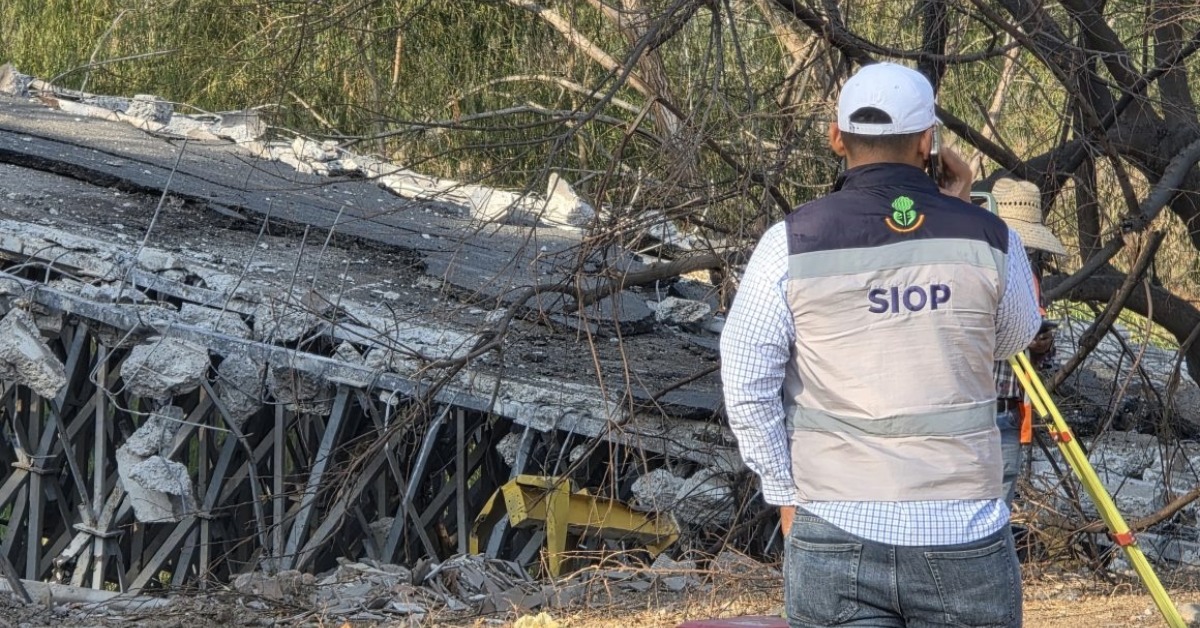
The Secretary of Security of the State of Jalisco (SSEJ) says a hidden explosive device caused the March 3 blast at the Puente La Desembocada in Puerto Vallarta. State Security Secretary Juan Pablo Hernández said the device had remained inside the bridge since the violent events of February 22. The explosion happened during demolition and debris removal at the crossing over the Río Mascota in La Desembocada.
Officials said the emergency call came in around 8:45 a.m. while machinery was working beneath the span. Authorities reported one person died at the scene and another was injured while operating heavy machinery. Early reports describe the fatal victim as a man working on a nearby parcel when concrete fragments were thrown outward. Municipal police responded first and requested medical support, while state and federal specialists secured the area. The state anti-explosives unit TEDAX was called to inspect the work zone. Sedena personnel with explosives training also reviewed the site. Investigators notified the public prosecutor to open the corresponding case.
How a February 22 device stayed inside the structure
Hernández said the device was planted during the February 22 attacks, when groups tried to disable key routes around Puerto Vallarta. He said technicians later deactivated at least eight explosives left in the area. One device, however, stayed hidden inside the bridge’s structure. He said specialists and canine teams did not detect it during the first inspections. Explosives experts told state officials the bridge’s design made access difficult and visibility limited.
By early March, engineers concluded the span no longer provided safe structural conditions for traffic. Work crews brought down the bridge in a controlled operation, and officials said there was no detonation during that drop. The blast came later, after crews began breaking apart asphalt and metal sections for transport. Hernández said the vibration from heavy equipment likely triggered the remaining device. After a new sweep by specialists, he said authorities found no additional explosive risk and allowed demolition work to continue under supervision.
What this means for the route and the rebuild timeline
The damaged bridge is part of carretera estatal 544, a corridor used to reach rural communities in the Sierra. State and municipal officials have described it as a main link for travel toward Mascota and inland towns. Before the attacks, the crossing carried commuter traffic and freight from agricultural zones. State infrastructure officials have cited about 35,000 vehicles a day on the route. They said the structure had suffered irreversible damage and could not be safely reopened.
A provisional crossing has been opened nearby to keep mobility while the replacement project is defined. Authorities say the goal is to complete a new bridge by July 2026, ahead of the rainy season. In the short term, the blast means added inspections and tighter control of the work area. Officials say inspections will continue as debris is removed, and prosecutors will determine liability for the hidden device. For residents and regular travelers, it shows how remnants of February’s violence can surface days later.