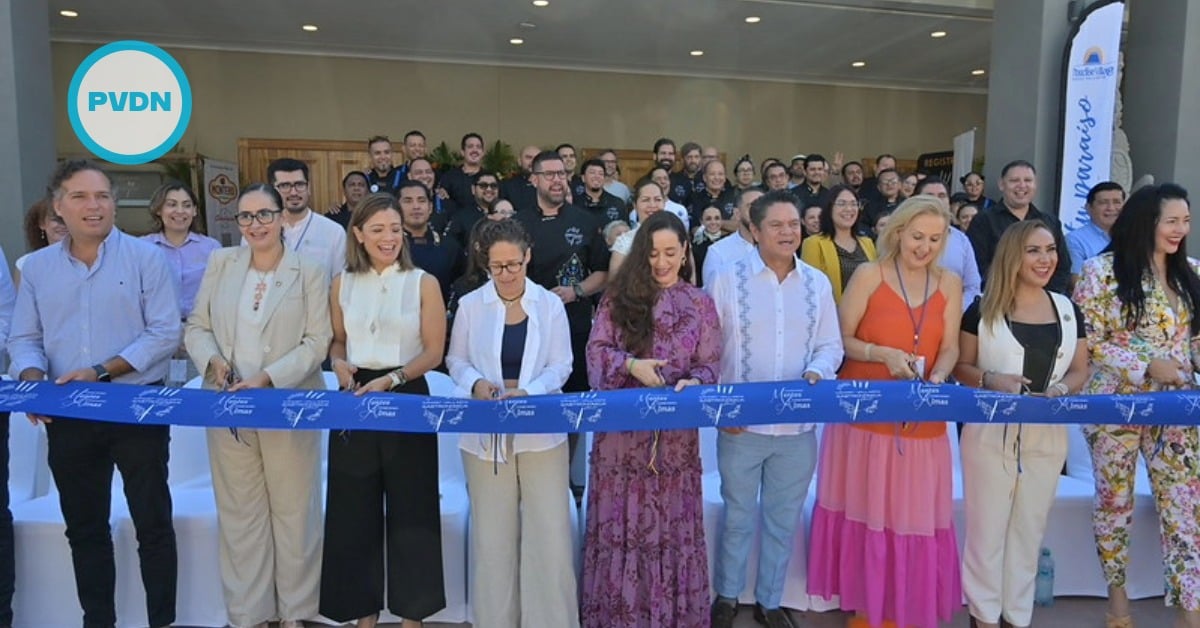
It’s peak season for flavor on the Banderas Bay. The 17th Vallarta Nayarit Gastronómica has kicked off with a week of show-cookings, wine tastings, and one-night-only dinners stretching from Puerto Vallarta to Riviera Nayarit. Organizers say 61 chefs are in town—among them Michelin-starred names and 50 Best talent—framing the festival as a living tribute to Mexico’s UNESCO-recognized cuisine. The show opened with Guadalajara’s Xokol team sharing techniques that treat corn not as a trend, but as a memory. What follows is the bay’s most ambitious culinary sprint of the year.
A week built on technique and terroir is underway across the bay. The 17th Vallarta Nayarit Gastronómica runs October 12–18 with its core program anchored at Paradise Village in Riviera Nayarit and satellite dinners around Puerto Vallarta. The theme—“Connecting Minds, Connecting Souls”—isn’t just a tagline; the schedule mixes stage demos with small-room tastings where cooks talk sourcing, memory, and craft.
The opening show leaned local and modern at once. Chefs Xrysw Ruelas and Óscar Segundo of Guadalajara’s Xokol led a live cook-along, the kind of session that breaks the fourth wall between chef and crowd. Their restaurant is known for a tasting menu that treats heirloom corn as architecture—ancestral techniques, contemporary forms—that energy played here: native ingredients handled with precision and respect, minus the lecture tone.
Why this matters beyond the plate
Mexico’s traditional cuisine sits on UNESCO’s Intangible Cultural Heritage list for a reason: it’s not a museum piece, it’s a living system with farmers, millers, cooks, and families in its loop. A festival that puts those links on stage isn’t just entertainment; it’s an industry clinic in full view of travelers. The frame matters in a destination where food is part of why people come—and come back.
Numbers tell part of the story. Organizers and local media list 61 guest chefs from Mexico, Argentina, the U.S., Spain, Chile, and the Dominican Republic. Fifteen arrive with Michelin stars; others carry Repsol Suns or a place on the 50 Best lists. The week stacks 17 talks, two panels, 13 tastings, and 13 workshops, plus mixology and sommelier sessions—enough to keep pros and curious eaters busy from brunch to last call.
The map stretches. While the central hub sits in Riviera Nayarit, the program spills into Puerto Vallarta and up into the mountains at San Sebastián del Oeste—Jardín Nebulosa hosts a closing brunch there—pulling visitors across distinct landscapes in a single week. Hotels and restaurants around the bay are slotting in their own dinners, a sign of how wide the net has grown.
Context helps: last year’s edition drew a reported 14,000 attendees. With this year’s broader slate and global names, the bay’s hospitality sector is betting on a similar—or bigger—wave. For Puerto Vallarta and Riviera Nayarit, a full dining room isn’t just clout; it’s payroll, supply chains, and repeat business in shoulder weeks.
Inside Vallarta Nayarit Gastronómica
What’s on the table is also who is on the land. Jalisco’s pantry shows up in recipes and in the talking points: Yahualica chile de árbol, protected by Denomination of Origin status; tequila, the state’s calling card; and raicilla, a once-shadowed agave spirit that earned its own DO in 2019 and is riding a fresh wave of attention. When chefs build plates around these products, they’re not just chasing flavor—they’re asserting place.
That’s why sessions like Xokol’s resonate. They show how a tortilla or a tamal can carry history without nostalgia. In a festival crowded with star power, the quiet win lies in the time spent on process: nixtamal, mills, regional maize, wild plants, and the idea that technique is culture, not just skill. In a country whose foodways are both global and hyperlocal, that’s the point.
If you’re chasing the headline nights, the Michelin and 50 Best names are here, and the bay’s kitchens are hosting one-offs that won’t repeat. If you’re chasing the signal, look for the small rooms and the morning workshops. That’s where you hear the industry talking to itself—farmers, fishers, chefs, bartenders—about how to keep Mexico’s living kitchen…living.