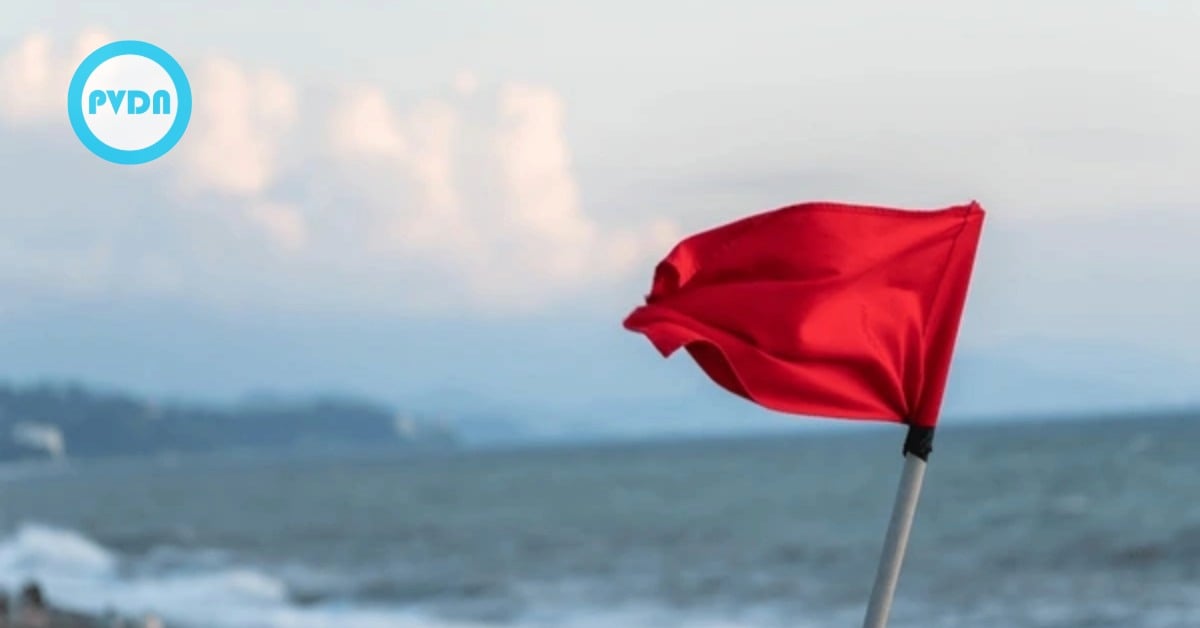
All beaches in Puerto Vallarta stayed under red flags for a second straight day as heavy surf and rip currents turned the bay into a danger zone. Civil Protection teams spent Friday patrolling the coastline, urging people to stay out of the water as waves continued to climb past two meters in sets. Forecasts tied the rough seas to broader Pacific weather that’s sending energy toward Jalisco’s coast. Authorities say the order is simple: enjoy the sand, avoid the surf, and give lifeguards room to work until conditions calm.
Residents woke to the same scene as Thursday: lifeguard towers flying red flags across Puerto Vallarta, with surf that looks inviting from a distance but hides powerful rip currents in the shorebreak. City and state Civil Protection officials said waves are topping two meters in many spots, with larger sets pushing through and pulling water hard along the bars and river mouths. The directive remains straightforward. Beaches are open for walking and sunbathing, but swimming is prohibited until the sea conditions improve and flags are changed.
Puerto Vallarta red flags
On Friday morning, local outlets and officials repeated the warning: the entire municipal coastline is under red flags due to high surf and hazardous rips. Forecasts call for two- to three-meter waves along Jalisco’s coast, a range that turns shallow banks into washing machines and makes rescues risky, even for trained teams. The Municipal Directorate of Civil Protection and Firefighters urged people to heed the warnings of lifeguards on the sand, keep children away from the shorebreak, and avoid quick dips that can become emergencies. The message is not new, but the consistency matters. Two days of red signals mean the ocean needs time to recover. When flags turn yellow or green, the city will announce this. Until then, the safest swim is the hotel pool.
Behind the messy surf is a familiar Pacific setup. The National Weather Service in Mexico has been flagging a mix of atmospheric ingredients over the past few days—monsoon moisture, upper-level dynamics, and a tropical system offshore—that has been sending energy toward the Jalisco coast. Earlier this week, Hurricane Narda strengthened well out to sea and helped push swell and weather into the region, even as its track stayed away from land. That offshore distance is good news for wind and rain locally, but not enough to calm the surf. Long-period waves travel far, and when they meet the bay’s contours, they refract, stack, and unload close to shore.
Lifeguards spent the morning using whistles and megaphones, steering people away from slippery rocks and river mouths where brown water rushes into the bay, concealing holes. Those out for photos received a separate reminder: sneaker waves can climb higher than you think, and they rise quickly. If you need the shot, take it from the promenade, not the edge of a wet jetty. The goal today is zero rescues—and zero headlines about preventable tragedies.
What to know before the weekend
If the beach is part of your plan, adjust the script. Mornings bring the cleanest ocean of the day, but even then, the rip currents are what matter. Red flags mean no swimming. Respect the line of wet sand where waves have been running up and keep your blanket above it. If you’re traveling with children or older adults, don’t let curiosity turn into a stumble at the water’s edge. For boat tours and water taxis, expect operators to follow Harbor Master guidance; cancellations and route changes are regular on days like this. On land, the city’s safer choices are the ones locals pick on stormy weeks: the Malecón’s public art, neighborhood cafés, and late-day sunsets from the plaza when the light gets soft and the spray lifts off the sea.
The bigger picture is seasonal. Late September is still Pacific storm time, and the coastline from Michoacán to Jalisco sees swings like this when the basin is active. It’s not a sign of something “wrong” with one beach or another. It’s a reminder of how quickly conditions can flip and why red flags exist. When the ocean calms, the flags will come down, tourists will dive back in, and guards will go back to reminding people about sunscreen and jellyfish. For now, the win is a quiet day for first responders, followed by a walk home in dry clothes.
Officials say they’ll update the public if conditions ease. Until then, the guidance is firm: enjoy the sand, skip the surf, and let the ocean do what it does—without you in it.