Puerto Vallarta’s business sector says the latest holiday season delivered mixed results. The destination still posted solid demand during the strongest days of Semana Santa, especially from Thursday through Saturday. But once the long weekend passed, the pace eased quickly. According to local business leaders, the old pattern of visitors staying for most of Holy Week is giving way to a shorter, more concentrated burst of travel.
That distinction matters. A city can look full for a few days and still feel softer across the rest of the week. Business leaders said hotel occupancy was strong during the holiday peak, yet much weaker from Sunday to Wednesday. They also said Pascua came in below Holy Week, with lower activity across tourist areas and commercial zones. In practical terms, the concern is not whether Puerto Vallarta drew visitors. It did. The concern is whether those visitors stayed long enough to support steadier spending across the local economy.
Why shorter stays matter
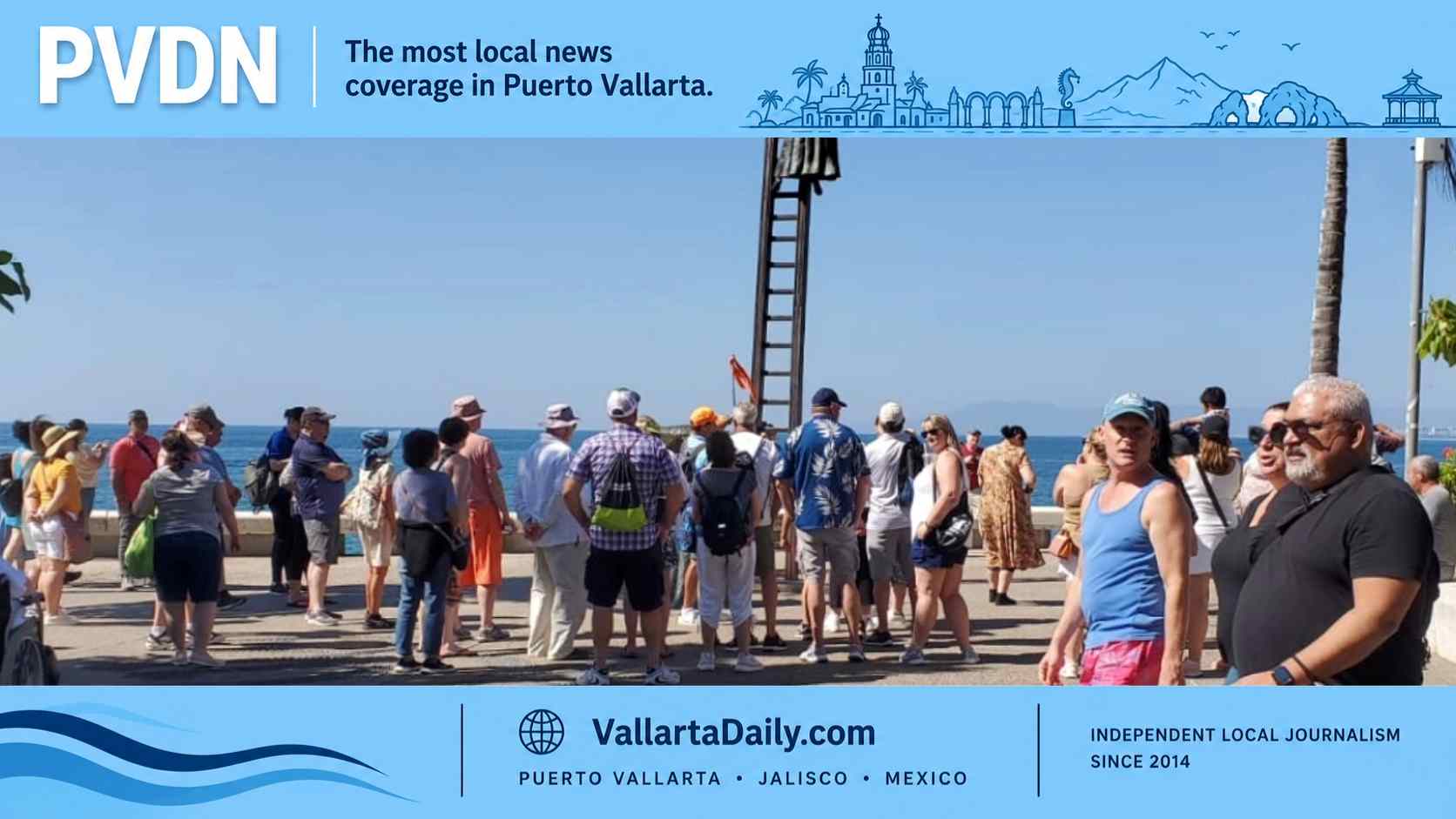
For an international reader, the issue may sound technical, but it is not. Longer stays usually spread spending across more parts of a destination. A traveler who stays for several nights is more likely to book tours, take taxis, eat at more restaurants, shop outside the hotel zone, and spend several days rather than one intense weekend. When travel compresses into a short burst, businesses can see crowded beaches and a busy Malecón while still ending the week with softer totals.
That is why the current shift is important in Puerto Vallarta. The city closed 2025 with record visitor numbers and an average stay of just over three nights. That is not a long vacation by old resort standards, but it still gives businesses more room to benefit from each arrival. If that average slips further, the effect can be felt quickly by sectors that depend on midweek movement. Restaurants, maritime tours, bars, retail shops, and service providers often notice the difference before headline tourism numbers do.
Promotion has moved back to the center
The call for stronger promotion is also tied to a more fragile backdrop than the holiday crowds alone suggest. Before Easter, state tourism estimates projected about 67,000 visitors and 80 percent hotel occupancy for Holy Week, followed by about 62,000 visitors and 75 percent occupancy for Easter week. Those forecasts suggested a healthy second week, even if slightly softer than the first. Business leaders now argue that the real pattern felt more uneven on the ground, with the strongest demand concentrated into a narrow window.
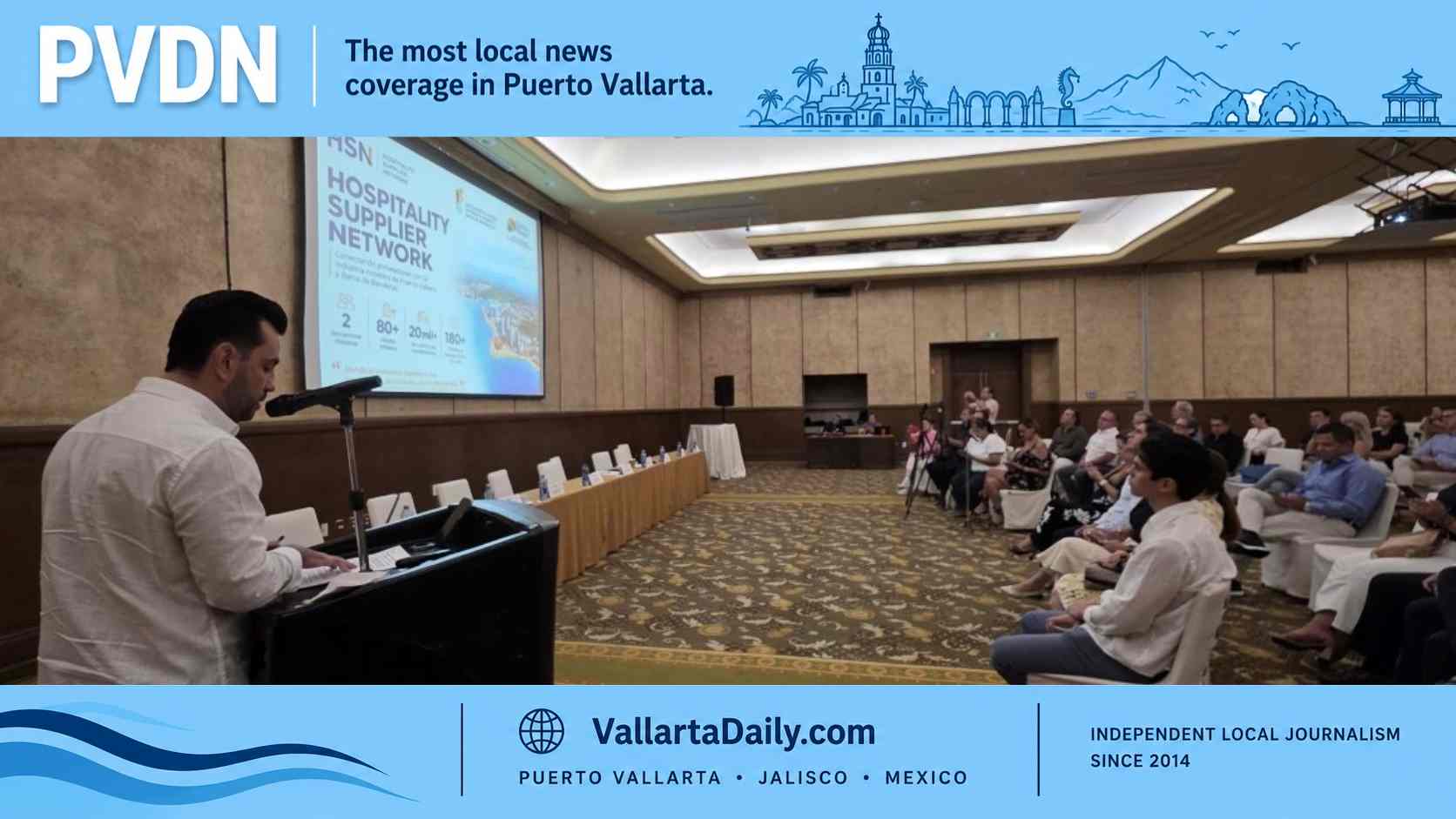
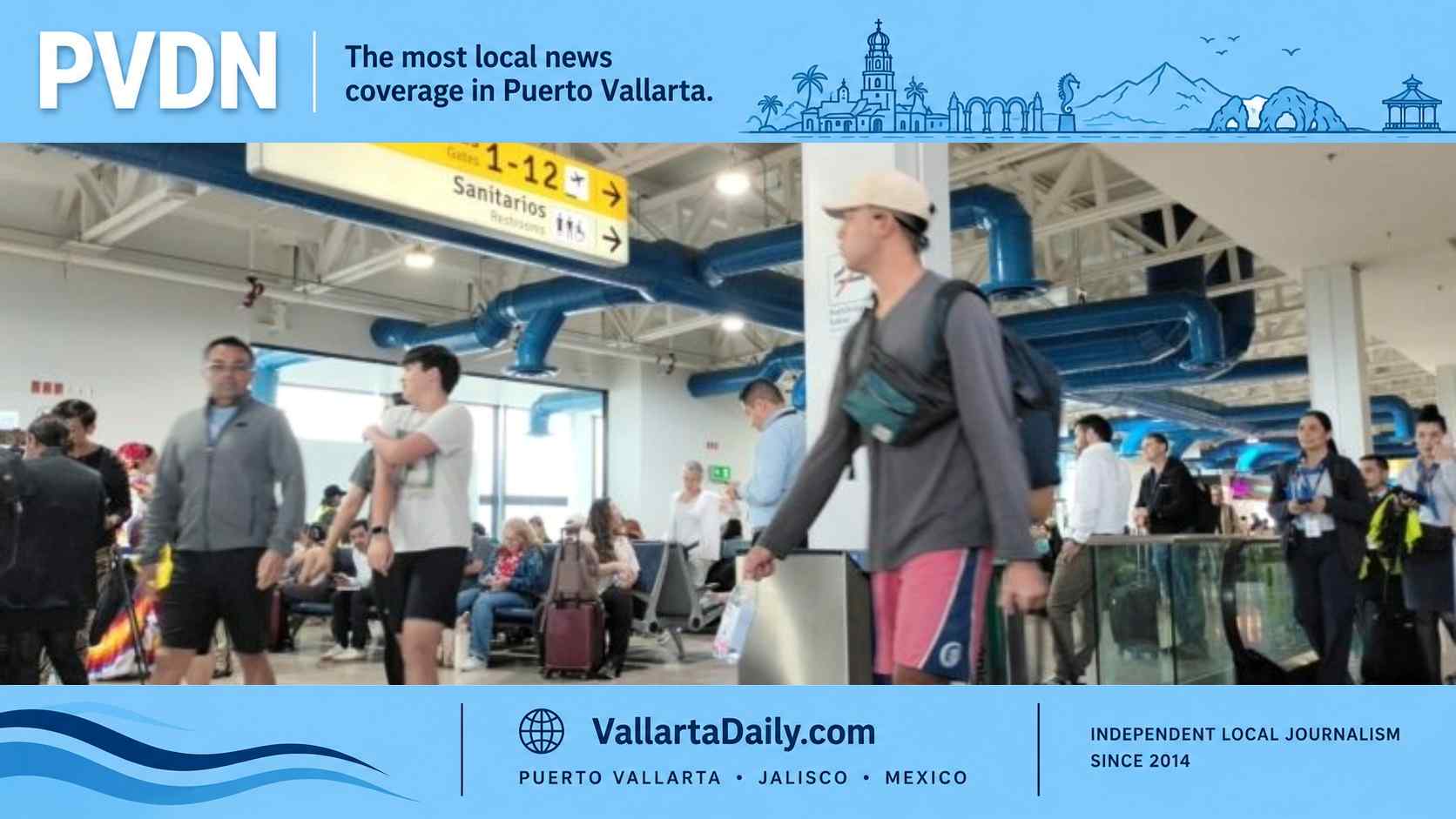
That concern comes as Puerto Vallarta is also working through a more difficult first quarter. In March, airport passenger traffic fell sharply from a year earlier, with the biggest drop on the international side. That does not prove a collapse in demand on its own, but it does underscore why local leaders are pressing for greater visibility. Jalisco has already announced a major push to reinforce the destination’s image and promotion. For Puerto Vallarta, the question is no longer only how many visitors arrive. It is also how long they stay, how confidently they book, and how often they return.
A destination adjusting to a different traveler
Business leaders also framed the problem as a change in consumer behavior. They say the domestic traveler is increasingly choosing shorter trips, often centered on the strongest holiday weekend rather than a full week away. That trend is not unique to Puerto Vallarta. It reflects tighter budgets, more cautious spending, and a travel market that often makes decisions later than before. But Puerto Vallarta feels the change in a particular way because its economy is so tied to tourism and because its visitor mix includes both short-stay domestic travelers and longer-stay international guests.
That makes adaptation part of the story. The city is not only trying to recover longer bookings. It is also trying to sharpen its message for new audiences ahead of the 2026 World Cup and other international opportunities. Officials and business groups want promotion that does more than fill rooms on a holiday weekend. They want campaigns that keep Puerto Vallarta competitive in a market where perception, air connectivity, and trip length all shape the final result. The latest holiday period suggests the destination still has drawing power. What remains less certain is whether that demand is becoming thinner between the peaks.