Puerto Vallarta is earning more from fewer tourists. New figures from Jalisco’s tourism authority show that the number of pesos per visitor rose almost ten percent in the first half of 2025. The shift is tied to a slower U.S. market, a stronger peso against the dollar, and steady inflation that lifts local prices. Businesses feel the difference at the register even when lobbies feel a touch quieter.
Puerto Vallarta tourism spending up 10 percent
Jalisco’s Tourism Secretariat reports 3.5 million visitors to Puerto Vallarta between January and June. Their spending totaled 23.69 billion pesos, with average outlays by international visitors increasing by approximately 9.7 percent compared to the previous year. The message for hoteliers and restaurateurs is simple: every international guest is leaving more pesos behind, even if there are slightly fewer of them.
Hotel demand held its ground. Arrivals to hotels increased by one percent, and occupancy averaged 74 percent, a slight rise above 2024 levels. That suggests the dip is uneven—felt most in specific markets and months—while overall room demand remains resilient.
Fewer Americans, more Canadians
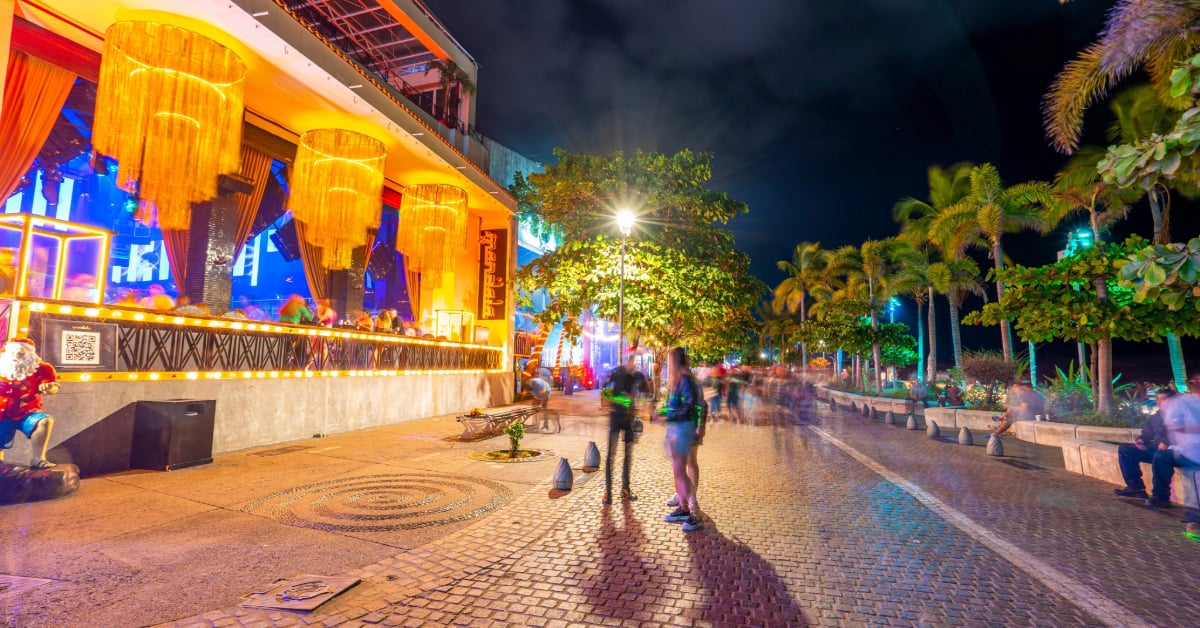
Local officials and analysts note a clear pattern this year: fewer U.S. travelers and a modest increase from Canada. Jalisco reports a 1.7 percent increase in Canadian visitors. Operators on the ground describe a pivot—more Canadians, plus steady interest from South America and Europe—helping cushion weaker demand from the United States. The composition change shows up in airport data and in the mix of languages heard on the Malecón.
The softer U.S. flow tracks with national patterns. Industry research flagged declines in U.S. arrivals to several beach destinations in early 2025, including Puerto Vallarta. For a city long anchored by the U.S. market, the adjustment is noticeable but not devastating thanks to diversified outreach and solid domestic travel.
A stronger peso and steady inflation
Prices in pesos climbed with inflation hovering in the mid-threes this spring and summer. At the same time, the peso regained strength against the dollar in early summer, hovering around the high 18s to low 19s per U.S. dollar. For American travelers, that combination buys fewer tacos and tours for the same dollars than a year ago. The result shows up in the city’s ledger: higher local spend per visitor even when headcounts slip.
This exchange-rate dynamic also helps explain why businesses report healthy ticket sizes despite thinner peak weekends from the U.S. It’s not that people are splurging wildly; their dollars translate into fewer pesos than they did during earlier “cheap peso” windows.
Hotels hold steady; airport and cruise trends
Puerto Vallarta’s airport finished the first semester with a touch over 3.8 million total passengers, then crossed 4.3 million by July. The seven-month figure keeps the city among the country’s busiest international gateways after Cancún, Mexico City, and Los Cabos. Domestic travel continues to shoulder more of the load as international segments wobble.
Cruise activity has given the waterfront a lift. Through July, 93 ships brought about 296,000 passengers, a healthy stream for shore tours and small businesses in the Terminal Marítima zone. Nautical tourism beyond cruise calls is also up: the maritime terminal recorded 18,157 tours carrying 332,860 people, a jump of 12.8 percent.
Why it matters for local businesses
For front-line workers and owners, the headline is encouraging but nuanced. A ten-percent gain in pesos-per-visitor can protect payrolls and supplier bills in a year when some weekends feel slower. But it also masks margin pressure from higher input costs and wage expectations. If the U.S. market stays soft, the city’s bet on Canada and other regions will matter even more this fall.
Puerto Vallarta’s fundamentals remain strong, with dependable air service, a diverse hotel base, a walkable core, and multiple price tiers to suit travelers. The challenge is managing the pivot—meeting guests where they are in terms of price and product—while keeping residents onside as visitor spending rises faster than visitor numbers.