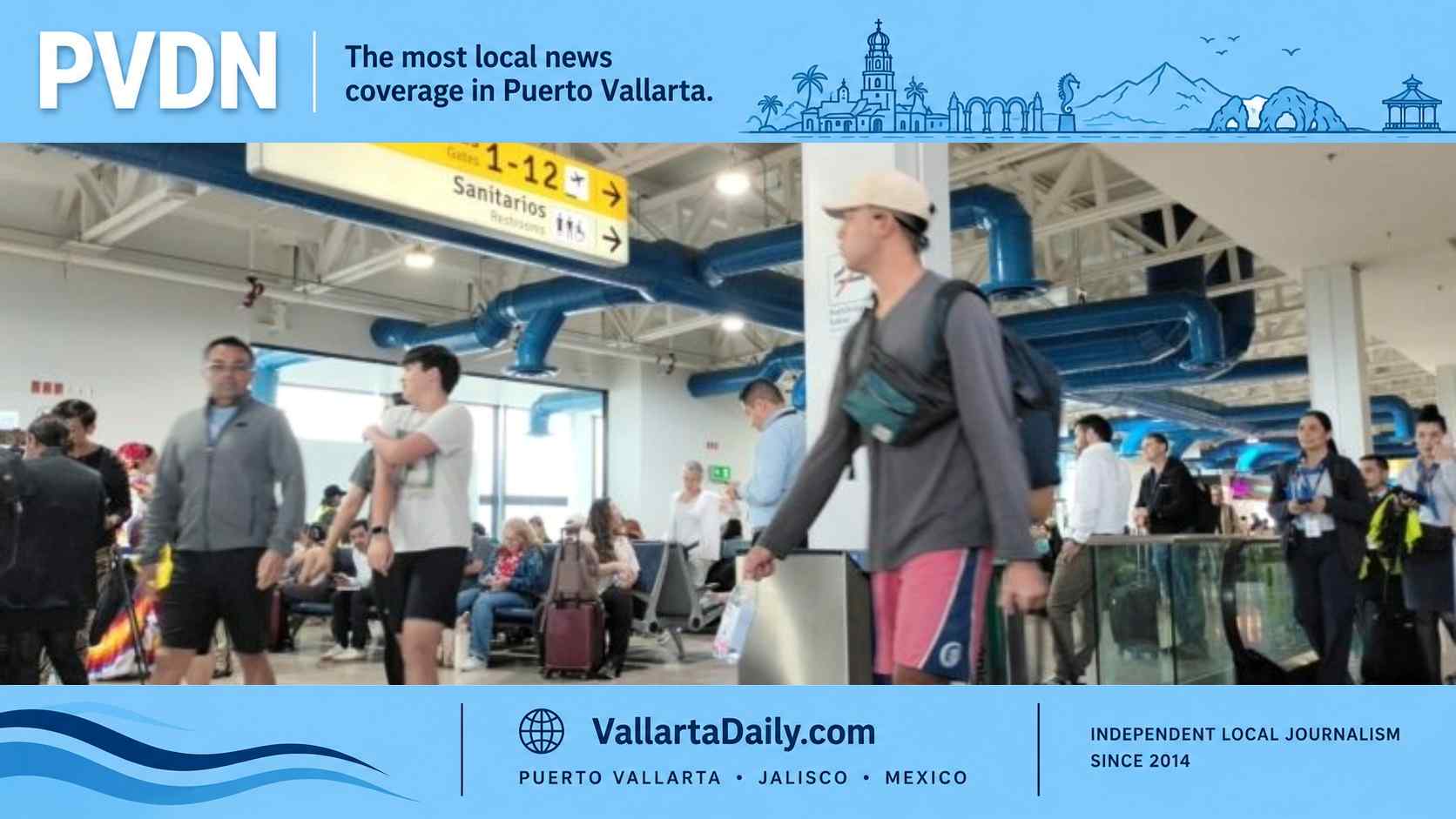
Speaking in Puerto Vallarta, Jalisco’s tourism chief tried to put a clear frame around a fuzzy trend. The state is still welcoming millions of visitors, but the once reliable flow of U.S. tourists has started to slow. Rather than wait for the numbers to recover on their own, officials say they are rewiring how they sell Jalisco to the world.
Tourism Secretary Michelle Friedman Hirsch described a dual plan. On one side, the state is pushing harder than ever in the United States with trade fairs, promotional tours, and joint campaigns with airlines and tour operators. On the other, it is working to bring in more travelers from Canada, Europe and other markets so beach cities such as Puerto Vallarta are not exposed to a single source of demand.
At stake is far more than hotel occupancy. Tourism is a major employer across Jalisco’s coast, from large all-inclusive resorts to small tour companies and family-run restaurants. Any sustained drop in foreign visitors, especially in the high-spending U.S. segment, is quickly felt on local payrolls and in municipal budgets.
Jalisco tourism strategy
The Jalisco tourism strategy is being shaped by numbers that show both resilience and warning signs. Federal tourism data for the first seven months of 2025 report a 1.5 percent decline in foreign passengers arriving in Mexico by air compared with the same period in 2024, with U.S. passengers by nationality down by about one percent, while Canadian passengers grow by more than five percent. Canadians are taking a larger share of seats at Pacific beach airports, including Puerto Vallarta.
For Jalisco, that shift matters. Before the current slowdown, U.S. and Canadian tourists together made up roughly 96 percent of the state’s foreign market, with Americans alone accounting for nearly four out of every five international visitors. That concentration helped fuel rapid growth during boom years, but it also left the state exposed whenever demand from the north cooled.
Officials argue the answer is not to step back from the U.S. market, but to work it more intelligently. In recent weeks, Puerto Vallarta’s tourism trust and the state government have led a promotion caravan through U.S. cities, including Boston, Long Island, Manhattan, and Newark. Travel agents there were pitched a mix of classic beach-holiday images and talking points about authenticity, local food, and the blend of sea and mountains that sets Vallarta apart from more standardized resort zones.
At the same time, Jalisco is investing political and financial capital in new source markets. Canadian travel to Mexico has climbed through 2024 and 2025, helped by more nonstop flights into Pacific coast airports. Canadian visitors now form one of the most dynamic segments for Puerto Vallarta in particular, helping to fill rooms even as some U.S. travelers pull back. In Europe, Jalisco has stepped up its presence at trade fairs in cities such as Paris and Rimini, showcasing the state’s culture, local spirits such as raicilla, and a mix of coastal and urban experiences.
State officials present this as risk management as much as opportunity. Suppose more Canadians, Europeans, and domestic travelers are choosing Jalisco. In that case, they argue, the state can absorb short-term swings in any single market without sharp shocks to employment or public finances. For workers in Vallarta’s hotel zone or in small coastal towns, that kind of stability can mean the difference between a slow season and a real crisis.
Puerto Vallarta on the front line
No place in Jalisco feels the market shift more directly than Puerto Vallarta. Independent air-traffic analysis estimates a 6.5 percent drop in international arrivals to the city in the first nine months of 2025 compared with the same period a year earlier, even as Cancún saw modest growth over the same window. Vallarta still ranks among Mexico’s most important Pacific gateways, but a mid-single-digit slide in arrivals has been enough to worry hoteliers and business chambers.
Local figures suggest that visitor spending has held up better than headcounts, with pesos earned per visitor rising even as arrivals soften. Higher prices and currency effects help explain part of that pattern, but for businesses that rely on volume — from taxi cooperatives to whale-watching operators — fewer visitors still mean tougher choices on staffing and investment.
That is why the current Jalisco tourism strategy leans heavily on keeping existing air routes secure while chasing new ones. The state’s tourism team has made airline talks a centerpiece of its international outreach, pairing promotion campaigns with efforts to support routes that connect Vallarta and other Jalisco cities with North America and Europe. For visitors, that work is mostly invisible. For local workers whose jobs depend on each plane that lands full, it is critical.
Jalisco’s bet is that a broader mix of markets can keep its coastal economy steady even as global travel patterns shift. The coming high season will test that bet. If Canadian and European bookings continue to rise, and if renewed U.S. promotion prevents a deeper slide from the country’s main source market, Vallarta’s slowdown could turn into a manageable adjustment rather than a lasting blow.
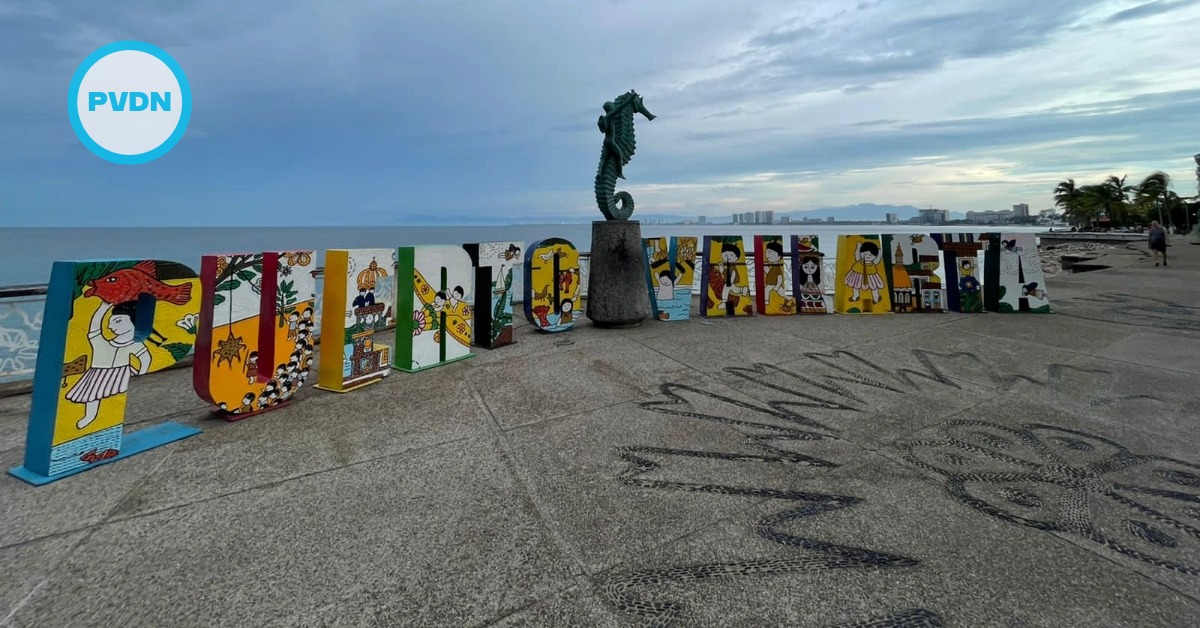
For now, hoteliers, tour operators, and street vendors along the Malecón are watching flight schedules and booking curves as closely as any official statistic. The state has put its new plan on the table. The next few months will show whether the rest of the world is ready to meet Jalisco halfway.