Puerto Vallarta plans to charge visitors 141 pesos starting in September. City leaders say the money will boost services. Locals see a city still struggling with water cuts, battered streets, and slow buses. The new fee could bring hundreds of millions of pesos within months. The real issue isn’t the amount; it’s trust. Who holds the purse, how is it spent, and when will residents see work on the ground? Those questions will decide whether this policy heals frustration or deepens it.
Puerto Vallarta tourist tax
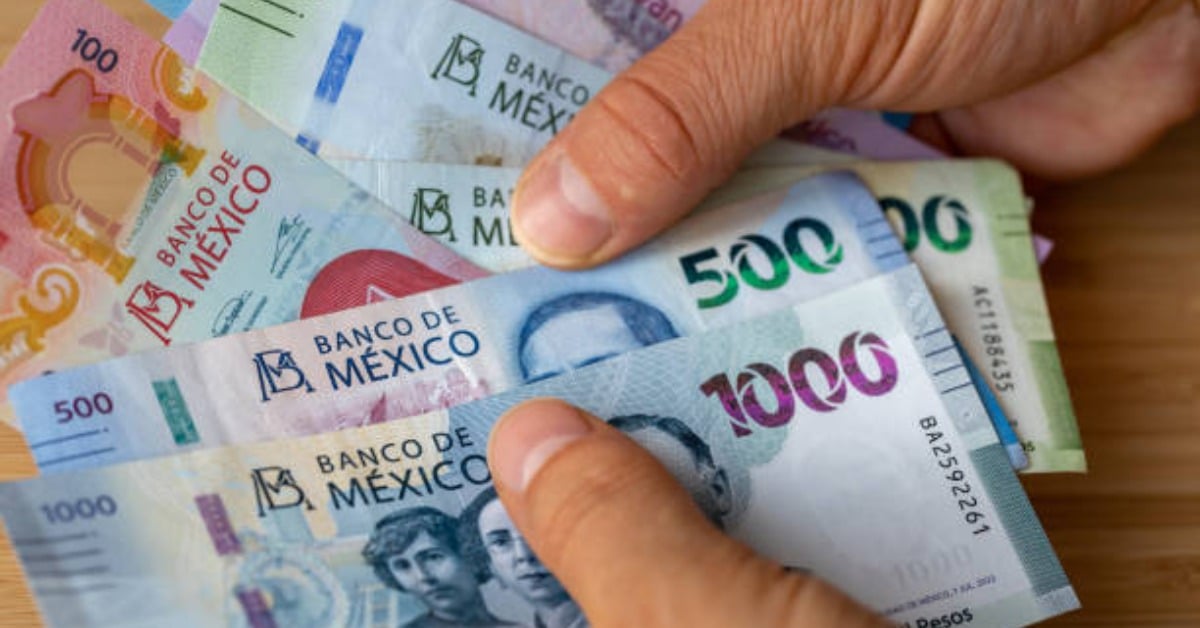
Puerto Vallarta will begin charging visitors 141 pesos per person starting in September. City estimates suggest the fee could deliver more than 200 million pesos between September and December. Officials expect the haul to top 600 million pesos in 2026 if the program holds. Those are big numbers for a city built on the promise of tourism.
The timing, however, lands in a city weary of daily problems. Residents talk about dry taps, crumbling streets, and a public transport system that lags behind the demand. A new charge invites a simple, fair question: will this money fix what people face every day, or will it vanish into the usual fog of speeches and ribbon cuttings?
Who gets the money
The core concern is not whether visitors should contribute. It is who will manage the fund and how decisions will be made. Puerto Vallarta’s recent history has taught residents to distrust opaque projects and inflated contracts. New money without clear rules is an invitation to disappointment. The city has a duty to show the fee is more than a revenue line. It must become visible work on the ground.
Clear governance would calm doubts. People want to know who signs off on projects, who audits the books, and when reports will be public. They also want to see timelines and work crews, not only press releases. If every peso is traceable—from the airport kiosk to the paved street—this policy can earn support. If not, it risks becoming one more argument in a long fight over trust.
Why infrastructure matters now
Tourism thrives when daily life works. A reliable water supply, smooth roads, and dependable buses help residents and visitors alike. If the Puerto Vallarta tourist tax funds those basics, the city wins twice. Locals feel the benefit first. Tourists notice it next, through fewer service failures and a better experience. That is how destinations keep their edge.
The risk cuts the other way as well. If streets stay pitted, taps run dry, and buses crawl, the fee turns into a symbol of imbalance. People see a city charging more and delivering less. Word spreads fast in a market where travelers can choose another beach by tapping a screen.
A test of trust
This decision is not just a budget move. It is a promise to residents that their daily problems matter. It is also a signal to visitors that the city invests in the experience it sells. The first months will tell the story. If money turns into water in the pipes and asphalt on the streets, support will follow. If not, the fee will become one more reminder of a gap between announcements and reality.