Puerto Vallarta is securing youth funding through a state-municipal agreement, which would allocate 500,000 pesos to support programs for teens and young adults. The plan, presented to the City Council, requires a work plan and strict proof of spending, with no local match. The money would go to culture, employability, and social participation. If approved and signed by city officials, it could land in offices already running health fairs, youth markets, and student events—giving them a shot to scale ideas that are actually working.
Puerto Vallarta youth funding
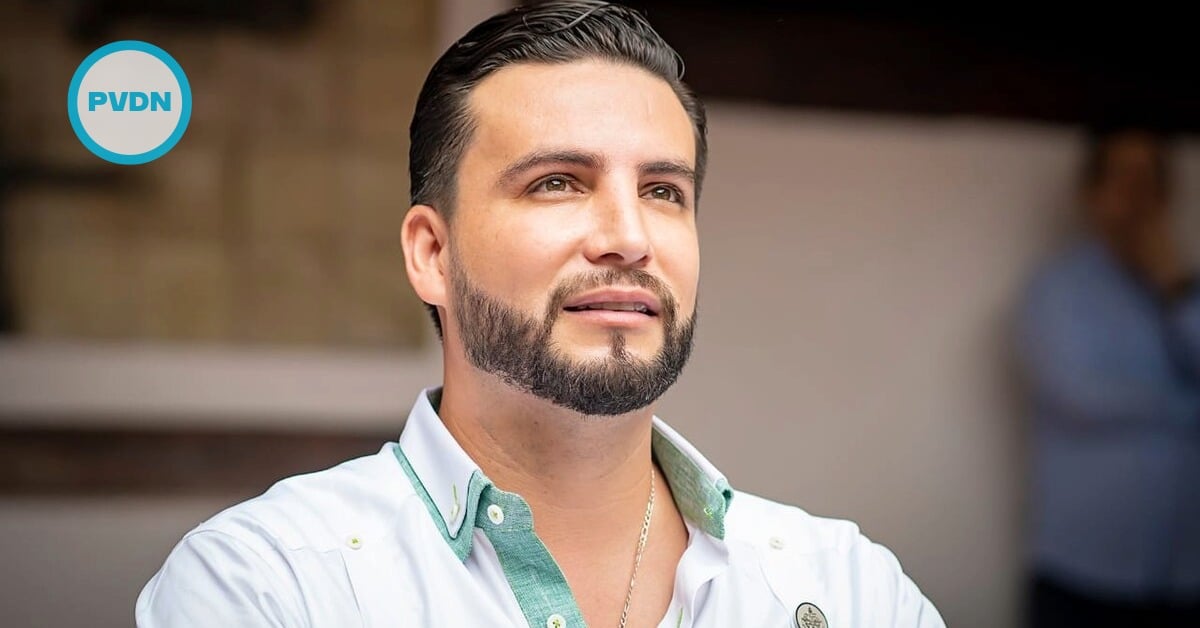
Puerto Vallarta’s mayor, Luis Ernesto Munguía González, asked the City Council to authorize a collaboration agreement with the Government of Jalisco that would transfer 500,000 pesos to youth programs. The proposal stipulates that the funds must be allocated exclusively to initiatives promoting culture, social participation, and the comprehensive development of young people. It also sets a clear condition: present a work plan and later prove every peso was used as promised. The state would cover the full amount; the city would not contribute matching funds. That’s a big deal for a tight local budget.
The authorization would allow the mayor, the trustee, the general secretary, and the treasurer to sign on behalf of the municipality once the Council votes. That step matters because it locks in responsibility and timelines, and it’s often where similar agreements stall. The proposal frames the funding as a push for inclusion, talent, and active participation—ambitious yet measurable goals, provided the work plan is made public and specific. Quadratín’s account identifies economic, cultural, and social development as the core areas.
What changes on the ground
This isn’t starting from zero. Puerto Vallarta’s Youth Directorate has already been running events and outreach. In its April–June activity summary, the office says it reached more than 7,000 youths through health fairs, student festivals, talks, and a recurring “Bazar Joven” that spotlights young entrepreneurs. If new money arrives, those programs have a clear runway to scale.
The state side isn’t reinventing the wheel either. Jalisco has long operated programs that strengthen municipal youth offices, including training and technical support and, in past years, direct backing for local projects. That scaffolding helps small teams execute and report properly—precisely what this agreement requires to release and account for funds.
If approved, the impact will hinge on focus. Culture funding that only covers one-off concerts won’t make a significant impact. However, targeted workshops focused on employability, mentorship for first-time entrepreneurs, and youth councils with real voting power on neighborhood projects can be effective. The city has experimented with student-centered events and health activations; now it needs to link those to skills, internships, and micro-grants that outlive the news cycle. The promise here is simple: make participation habitual, not occasional.
The public should watch three things. First, timelines: when the Council votes, when the signatures land, and how quickly programs launch. Second, the work plan: what metrics will define success in six months and a year. Third, reporting: whether spending and results are posted in plain, accessible language. If officials hit those marks, Puerto Vallarta youth funding can be more than a headline—it can become the city’s next good habit.