Puerto Vallarta has long sold itself through beaches, sunsets, and hotel stays. But this month, a different tourism story is taking shape. Restaurant Week is returning with fixed-price menus, tourism businesses are receiving quality certifications, and the Vallarta Azteca Folklore Festival is filling public spaces with dance and tradition. Together, these events show how the city is trying to build a stronger identity around food, culture, and local experience.
Puerto Vallarta is selling more than the beach
Puerto Vallarta built much of its modern tourism economy around the bay. The beach, the Malecón, ocean views, and warm winters remain central to the city’s appeal. For many visitors, especially from the United States and Canada, that image remains the primary reason to book a flight.
But the city’s current tourism pitch is becoming broader. Food, culture, service standards, and public events are now part of the way Puerto Vallarta presents itself to visitors. That shift is not happening through one campaign alone. It is showing up through many small and connected efforts.
This month offers a clear example. Restaurant Week returns from May 15 to June 10 with 51 restaurants in Puerto Vallarta and Riviera Nayarit. Menus are being offered at fixed prices from 495 to 690 pesos. At the same time, Jalisco tourism authorities have delivered quality certifications to tourism businesses in the region. The city is also hosting the 20th edition of the Vallarta Azteca Folklore Festival, with public programming tied to traditional dance and cultural exchange.
Taken together, these are not isolated events. They are part of a larger question facing Puerto Vallarta. Can the destination compete by offering more than sun, sand, and all-inclusive comfort?
Restaurant Week turns dining into a destination product
Restaurant Week 2026 in Puerto Vallarta is one of the clearest examples of how the city sells itself beyond the shoreline. The event gives residents and visitors a reason to dine out across the Bay Area during a set period. It also packages local dining in an easy-to-understand way.
The 2026 edition includes three-course menus with three options per course. The structure lowers the barrier for diners who may want to try a restaurant they have seen but never visited. It also gives restaurants a chance to reach customers outside their regular base.
That matters in a city where food spending can easily stay inside hotels. All-inclusive resorts remain attractive for many travelers because they simplify the trip. Meals are paid for in advance. Transportation is reduced. Visitors do not need to research where to eat.
For independent restaurants, that model can be difficult. Restaurant Week creates a reason to leave the resort, walk into town, or try a dining room in a different neighborhood. It turns the restaurant itself into part of the travel experience.
The event also speaks to residents. Puerto Vallarta is not only a visitor economy. It is home to Mexican families, foreign retirees, seasonal residents, remote workers, and service workers who keep the tourism system running. A fixed-price dining event can appeal to all groups, even if each uses it differently.
For international residents, Restaurant Week can serve as a way to learn the city through its restaurants. For domestic visitors, it can make Puerto Vallarta feel more urban and varied. For local diners, it can offer a structured way to revisit established restaurants or test newer ones.
The real value is not only the menu price
The fixed prices draw attention, but the deeper value is visibility. Restaurants participating in Restaurant Week are placed inside a shared tourism product. That can help smaller businesses compete for attention in a crowded market.
Puerto Vallarta’s dining scene is not one thing. It includes fine dining, seafood restaurants, neighborhood kitchens, international menus, hotel restaurants, and casual spots built around repeat local customers. A visitor may not understand that range on a first trip.
Restaurant Week organizes that variety into a single event. That makes it easier to market. It also gives tourism promoters a way to talk about Puerto Vallarta as a culinary destination, not only a beach destination.
This is important because food often produces spending outside the hotel room. A dinner reservation may lead to taxi rides, bar visits, gallery stops, tips for workers, and return visits. It can also pull visitors into areas where small businesses depend on foot traffic.
The key question is how much of that benefit stays local. A restaurant owned by local partners, buying from local suppliers, and employing local staff has a different economic impact than a hotel-based dining room that captures most spending within a single property.
That does not make one model good and the other bad. It shows why the details matter. Tourism revenue is not just about how many people arrive. It is also about where they spend, who receives the money, and how widely that money circulates.
Certifications make quality part of the sales pitch
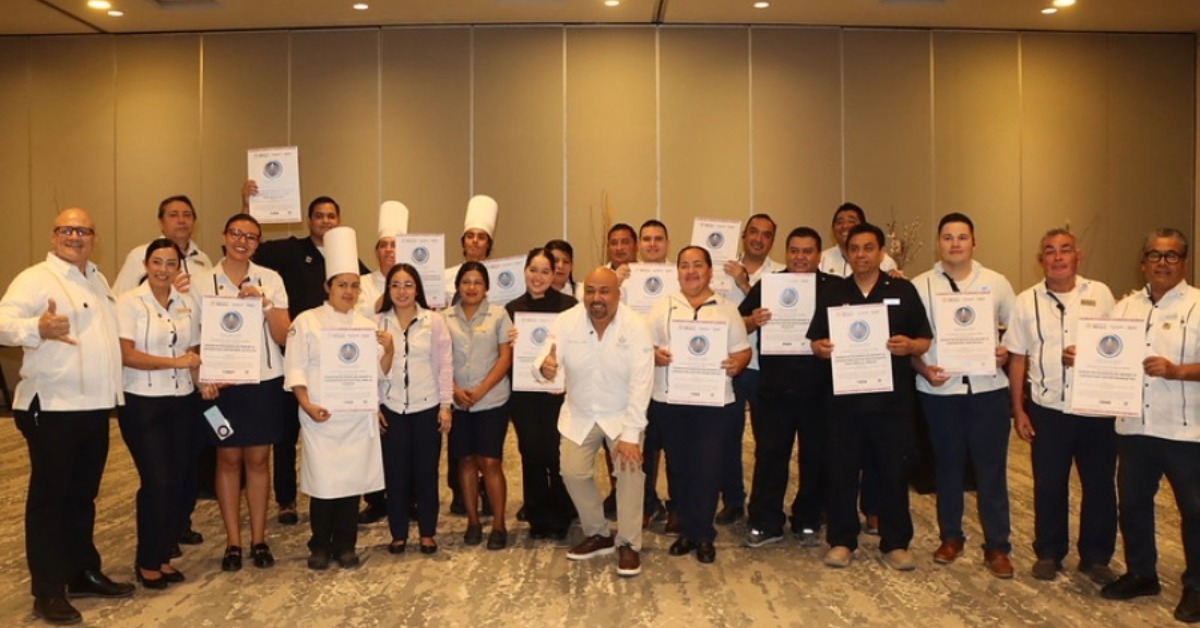
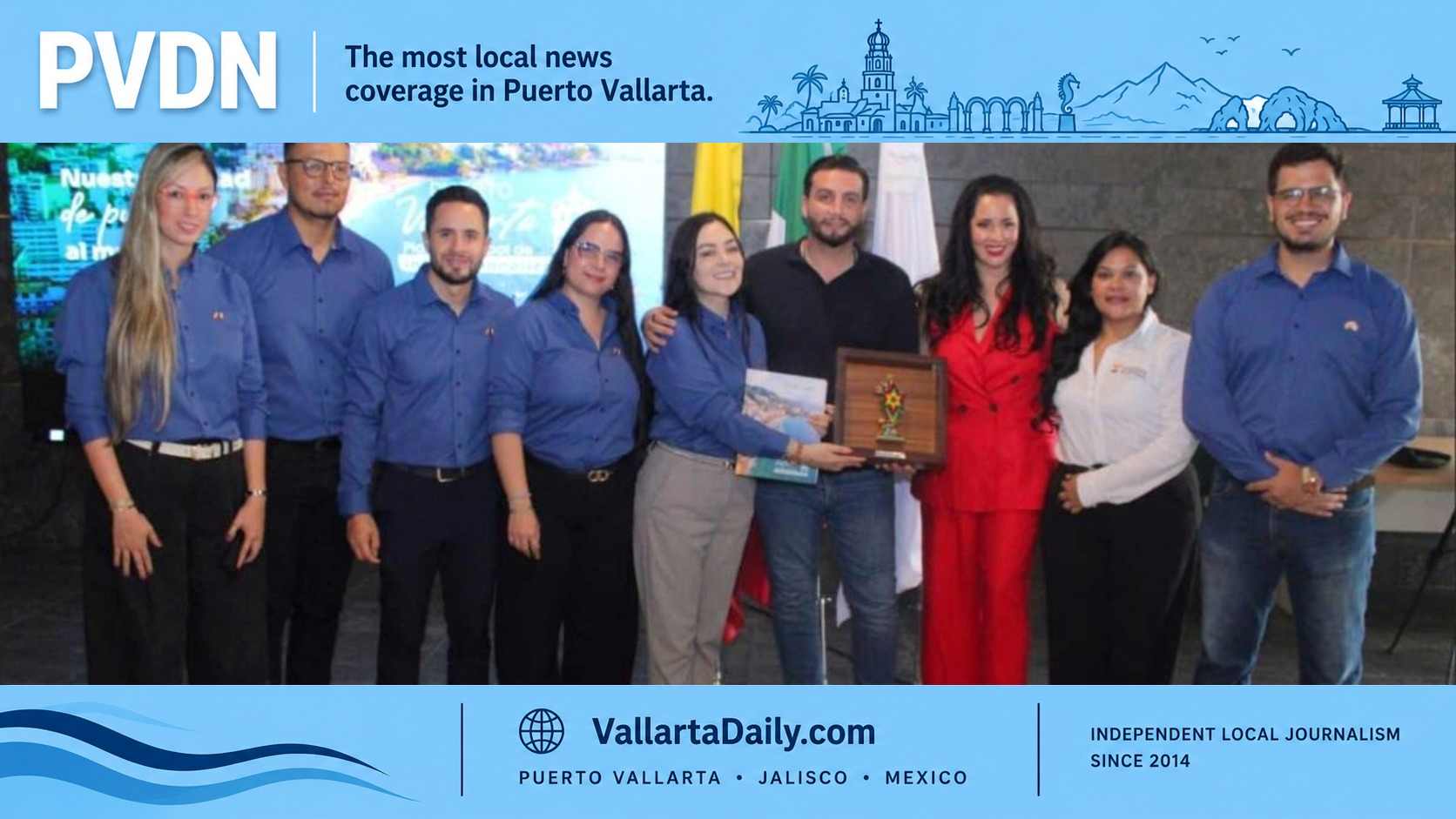
The second piece of the current tourism story is service quality. Jalisco tourism authorities recently delivered 60 tourism distinctions to businesses in Puerto Vallarta, Mascota, and La Huerta. These included Distintivo H, Sello Punto Limpio, and Distintivo M recognitions.
For many readers, those names may sound technical. In practice, they are part of Mexico’s tourism quality system. Distintivo H relates to hygienic food handling. Sello Punto Limpio is tied to hygiene and good practices in tourism businesses. Distintivo M is connected to business modernization and management practices.
These certifications are not as visible as a festival or restaurant menu. Most travelers will not book a trip because a business displays one of these plaques. But they support the background trust that tourism depends on.
A destination asks visitors to eat in its restaurants, sleep in its hotels, use its transportation, and trust its service workers. Certifications help standardize part of that experience. They also give businesses a way to demonstrate that they operate under recognized standards.
For Puerto Vallarta, this supports the broader identity shift. A city cannot sell itself as a higher-value destination on scenery alone. It must also demonstrate that businesses are professional, safe, clean, and prepared to welcome repeat visitors.
This is especially important for older travelers and foreign residents. Many want both comfort and a local experience. They may enjoy a street festival, a market, or a family-run restaurant, but they also want basic confidence in hygiene, service, and safety.
Culture puts residents back into the tourism story
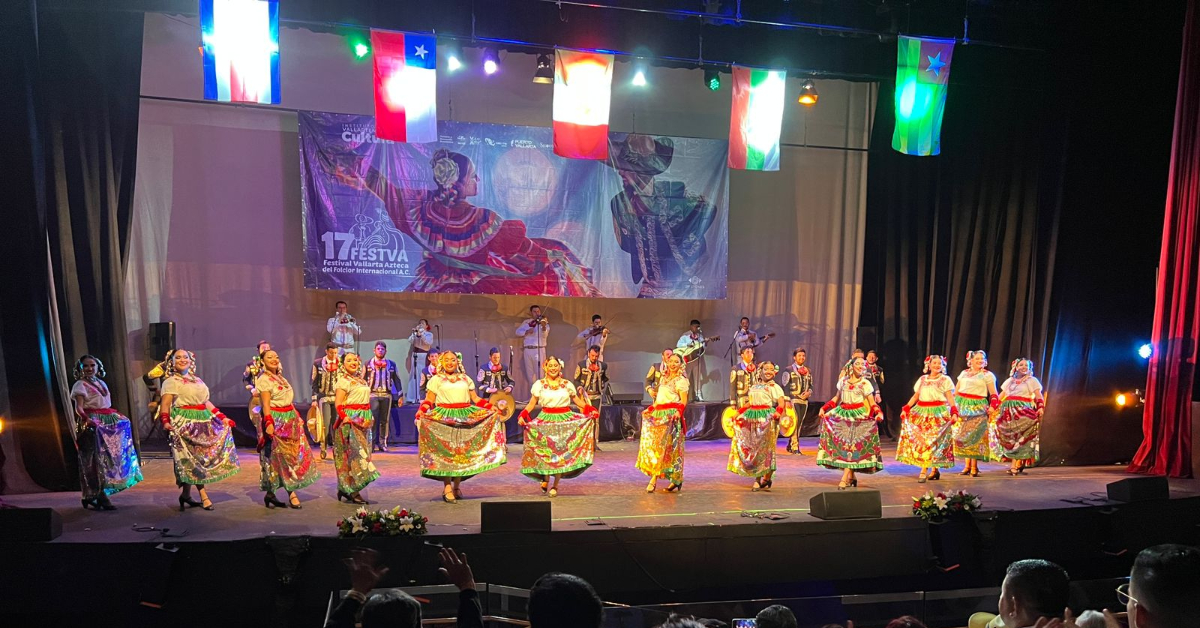
The Vallarta Azteca Folklore Festival adds a different layer. Unlike Restaurant Week, it is not built around consumption in the same direct way. Its value is cultural, civic, and symbolic.
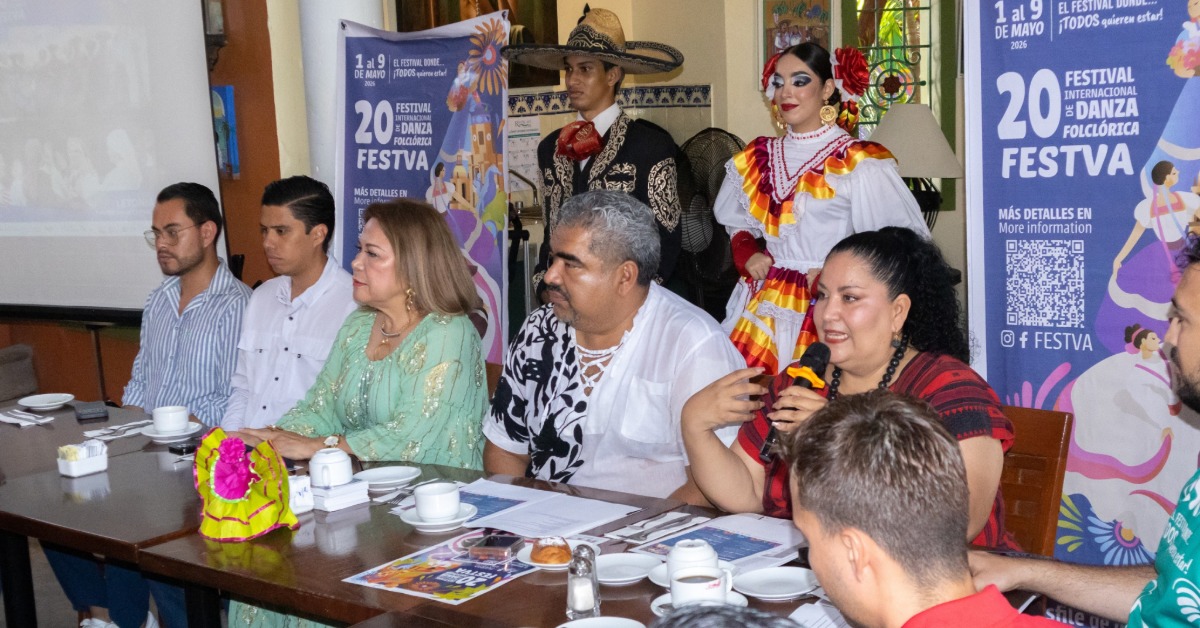
The festival brings folkloric dance groups into public spaces. It uses stages, plazas, theaters, and community venues to present regional and international traditions. In 2026, the event marks its 20th edition, giving it weight as a recurring cultural program rather than a one-time attraction.
For a tourism city, this matters because culture can easily become decoration. A destination may use traditional images in advertising while everyday cultural life becomes less visible to visitors. Public festivals can help correct that imbalance when they are organized with local participation and community access.
Puerto Vallarta’s identity is often filtered through visitor expectations. Beaches, nightlife, romance, cruise ships, and real estate all shape the image on the outside. Folklore programming gives the city another way to present itself. It places Mexican regional identity, dance, music, and public gathering at the center of the visitor experience.
It also gives residents a reason to occupy tourism spaces on their own terms. When public programming takes place at places such as the Malecón, markets, cultural centers, and civic venues, those spaces are not only backdrops for tourists. They become shared community stages.
That distinction matters in a city where residents often live with the pressure of tourism. Public culture can help keep the destination from becoming a product designed only for outside buyers.
The challenge is measuring cultural tourism
Food events are easier to measure than culture. A restaurant can count covers, menu sales, reservations, and repeat customers. Hotels can track occupancy. Tourism agencies can count airport arrivals and room nights.
Cultural festivals are harder. A folklore performance may draw residents, visitors, students, families, and passersby. Some may spend money nearby. Others may not. Some visitors may extend their trip because of a festival. Others may discover the event after they arrive.
That makes cultural tourism more difficult to evaluate. But it does not make it less important. A city’s reputation is built partly through moments that are hard to reduce to a recipe.
A visitor who sees a public dance performance may remember Puerto Vallarta differently. A resident who attends with family may feel that the city still makes room for local tradition. A business near a public event may benefit from extra foot traffic, even if it is not listed as an official sponsor.
The real question is whether cultural programming is treated as a core part of destination planning or as an extra form of entertainment. If it is core, then it needs stable support, public access, and clear coordination with local businesses. If it is treated as filler, it risks becoming another short-term attraction.
Beyond all-inclusive tourism
The all-inclusive model is not going away. It serves a large market, and many travelers prefer it. For families, older visitors, and first-time travelers, it can offer predictability and cost control.
But an all-inclusive-heavy economy can limit how tourism money moves through a city. When guests eat, drink, shop, and book activities inside a single property, smaller businesses outside the hotel zone may see fewer benefits. That can create tension between high occupancy numbers and weaker local sales.
Restaurant Week, certifications, and cultural festivals all respond to that problem in different ways. Restaurant Week encourages people to dine out at local restaurants. Certifications help raise confidence in tourism businesses. Festivals give visitors a reason to spend time in public spaces and cultural venues.
Together, they support a more distributed version of tourism. The goal is not to replace beach travel. The beach remains Puerto Vallarta’s strongest natural asset. The goal is to make the city’s offer less dependent on a single image and a single spending pattern.
This is also a form of economic risk management. Beach destinations compete with many other beach destinations. If Puerto Vallarta sells only sun and sand, it competes mainly on weather, price, airlift, and hotel inventory. If it also sells food, culture, public life, and local identity, it has more ways to stand apart.
A stronger identity can also help residents
For residents, the benefits of a broader tourism identity depend on execution. Culture and food can become powerful local assets. They can also become marketing tools that raise prices without improving local life.
Restaurant Week may bring more diners into restaurants. But it also raises questions about access. Are the fixed prices affordable for local workers? Do participating restaurants include smaller, locally owned businesses? Are neighborhoods outside the main tourism corridors represented?
Certifications may improve service standards. But they also require time, training, and compliance. Smaller businesses may need support to participate. Otherwise, formal quality programs can favor larger companies with more administrative capacity.
Cultural festivals may strengthen local pride. But they require public investment, planning, and respect for the communities represented. Traditional dance should not be treated as a simple tourism prop. It carries regional histories, community identities, and living traditions.
These are not arguments against tourism development. They are reminders that tourism strategy must be measured beyond visitor counts. The better question is whether the strategy helps create a city that residents can still recognize, afford, and enjoy.
Food and folklore are also forms of storytelling
Every destination tells its own story. Puerto Vallarta’s story has changed over time. It has been a fishing village, a film-linked escape, a gay travel hub, a cruise stop, a retirement destination, a culinary city, and a fast-growing real estate market.
Those identities now overlap. A visitor may come to the beach and discover the restaurants. A retiree may arrive for the weather and stay for community life. A domestic traveler may come for a festival and return for a family vacation. A remote worker may first notice the nightlife and later care about neighborhood services.
This is why food and folklore matter. They help tell a richer story. Food connects visitors to a place through ingredients, service, neighborhoods, and memory. Folklore connects visitors to regional identities that are deeper than the tourism economy.
The challenge is keeping that story honest. Puerto Vallarta cannot simply brand itself as cultural. It must invest in culture. It cannot only promote restaurants. It must support the conditions that allow a diverse restaurant scene to survive.
That includes mobility, public safety, clean streets, fair permitting, responsible event planning, and serious attention to how tourism affects local costs. A stronger destination identity is built through daily management as much as marketing.
What to watch after the events end
The coming weeks will show how these efforts perform in real life. Restaurant Week will test whether diners respond to fixed-price menus during a period that can help restaurants between peak travel seasons. The certification program will test how seriously businesses and authorities continue to treat quality standards. The folklore festival will test whether public culture can hold attention in a city often marketed as a beach-and-nightlife destination.
The strongest sign would not be one crowded event. It would be continuity. Restaurants would see new customers return after Restaurant Week. Certified businesses would use their training to improve daily operations. Cultural programming would remain visible beyond one festival week.
For Puerto Vallarta, this is the practical meaning of going beyond the beach. It is not about abandoning the city’s natural appeal. It is about building more reasons to come, to leave the hotel, and to understand the city as a living community.
That approach may become more important as travelers become more selective. Many beach destinations can offer warm weather. Fewer can offer a city where dining, culture, public life, and local identity are part of the same visitor experience.
Puerto Vallarta has the pieces. The question is whether it can connect them in ways that benefit the destination, the businesses, and the residents who give the city its character.