Quintana Roo’s Real Estate Alert flagged six attempted registry fraud moves in 2025, emailing owners early enough to stop title changes.
A quiet change at Quintana Roo’s property registry is already paying off. Officials say the Real Estate Alert system caught multiple attempts to tamper with registered titles and warned owners before any paperwork stuck. That’s the good news. The surprise is how few people are actually using it, even as scams keep targeting homes and lots whose owners are out of town. What triggers an alert, how much it costs, and why the program matters for expats with property here is where the story gets interesting.
A small alert that stopped a big headache
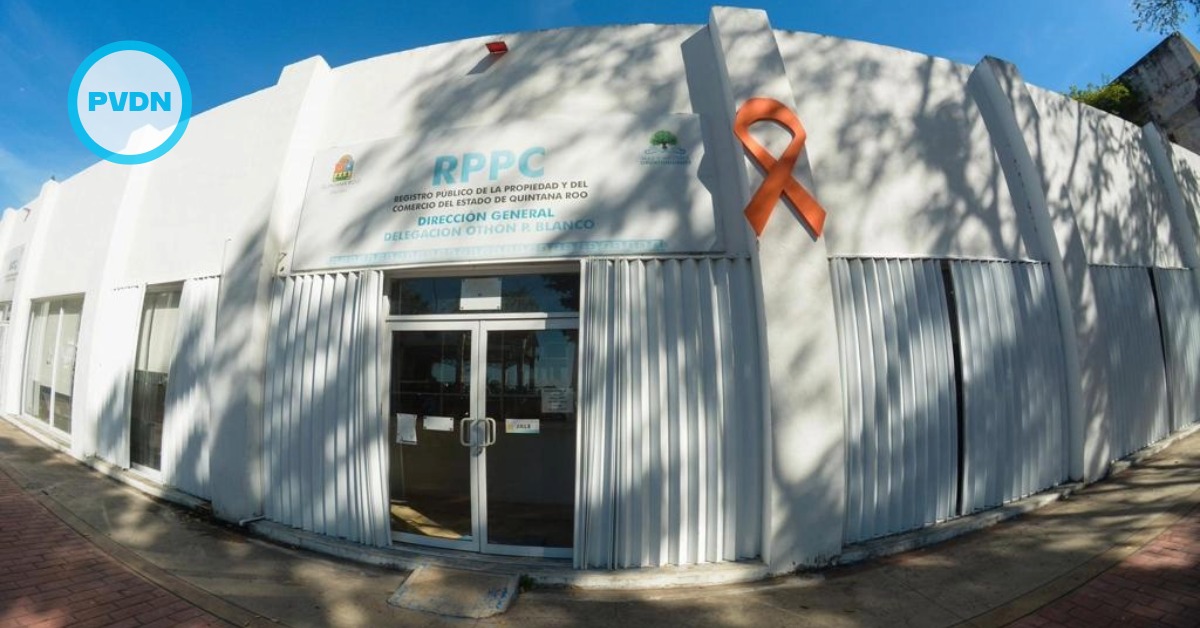
Quintana Roo’s state property registry says it has already used its Real Estate Alert program to disrupt attempted title fraud before it could take effect. In its latest update, registry officials said the system detected six attempted movements linked to real estate registry fraud during 2025 and that the owners were warned in time to stop changes from going through.
The basic idea is simple. If someone tries to start a registry process tied to your property, you get notified right away. That matters because the earliest steps in a scam often look “routine” on paper. A request for a certificate, a filing that claims a legal interest, or paperwork that signals a sale process can be the first sign that someone is trying to build a fake trail.
Officials said the notifications went to owners by email. In the cases flagged in 2025, owners were able to react quickly and report the matter to prosecutors so investigations could begin. The registry’s message was blunt: speed is the point. The program is designed to give legitimate owners a head start before a bad actor can stack documents, confuse the record, or pressure a quick transaction.
What the system watches for
Real Estate Alert is tied to the folio number that identifies a property in the registry. Once a folio is enrolled, the system monitors for specific actions and triggers an email alert when a third party initiates certain types of procedures connected to that record.
The state has described those triggers as common registry touchpoints that come up in real transactions and in fraud attempts. That includes requests for certificates related to the property’s legal status and filings that seek to register legal acts such as a sale, donation, mortgage, or embargo. Even when a filing is not automatically “proof” of wrongdoing, it can be an early warning that something is moving in the background.
For owners who live outside Quintana Roo for part of the year, that remote visibility is the real value. Plenty of expats own homes, condos, or lots they do not visit weekly. In that situation, the first time you learn something is wrong can be when a buyer shows up, a tenant gets approached, or a notary calls with questions you never expected. An email alert is not glamorous, but it is often faster than rumors.
Strong results, surprisingly low use
The numbers in the registry’s own update point to a second storyline: adoption is still tiny. Officials said only three users were registered as active participants at the time of the most recent cut, with 70 alerts enabled across their properties. Those alerts, the registry said, covered real estate valued at roughly 2.296 billion pesos.
That gap between the scale of what is protected and the small number of users is hard to ignore. Quintana Roo is one of Mexico’s busiest property markets, with constant turnover tied to tourism, investment, and second homes. A system built for remote monitoring should be tailor-made for owners who travel, live abroad, or only spend seasons in the state. Yet the registry is still trying to convince people to sign up.
Cost is not the obvious barrier. The annual fee is set at 10 UMAs and, using the 2025 UMA value cited by officials, comes out to 1,131 pesos per year. That is roughly the price of one night out in many parts of the Riviera Maya, and far less than the legal and financial mess that can follow a serious registry dispute.
The more likely problem is awareness and habit. Many owners assume that having a deed and paying taxes means their title is “safe” unless they personally sell. Fraud does not work that way. It often targets owners who are absent, older, unfamiliar with local systems, or simply busy. A program like this only helps if you activate it, keep your email current, and take any alert seriously.
Why this matters for expats
If you are an expat owner, the risk is not just losing property. It is the stress and cost of proving what you already own. Registry disputes can drag on, especially when someone presents forged documents or a questionable power of attorney. Even when the truth is on your side, clearing the record can take time, money, and patience.
Real Estate Alert is not a substitute for proper due diligence, a reliable notary, or good legal advice when you buy or sell. It is closer to an early smoke alarm. It tells you someone has touched the file, so you can check whether that touch is legitimate.
If an alert comes in and you are not expecting any procedure tied to your folio, the next hours matter. That is when you call your notary or lawyer, verify what was filed, and decide whether to file a complaint or request additional safeguards. The registry’s message is that owners who acted quickly were able to stop attempted changes before they became a deeper legal fight.