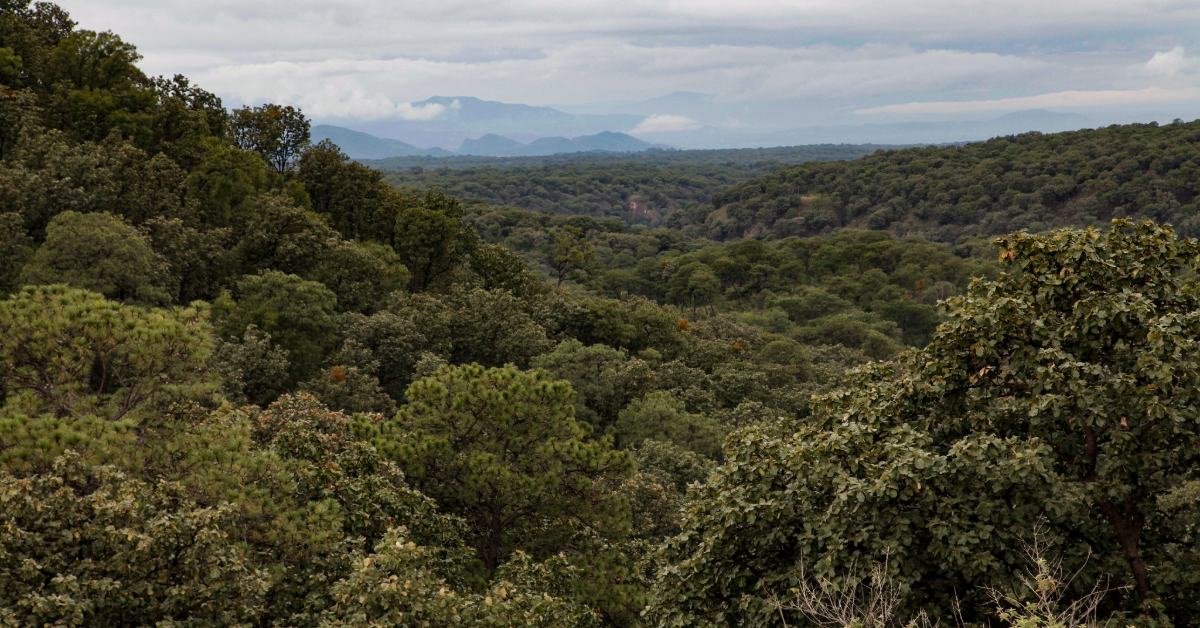
Reforestation in Jalisco moved from promise to action this week as the Consejo Regulador del Tequila (CRT) and the state government planted new trees in Bosque La Primavera, a protected area west of Guadalajara. The seedlings did not appear by chance. They were cultivated with resources that the Agave-Tequila Productive Chain delivered to the state’s Forestry Development Trust (Fideicomiso para la Administración del Programa de Desarrollo Forestal de Jalisco, conocido como FIPRODEFO). That financing stream gave the program enough stock to begin restoring degraded patches and reinforce healthy zones of the forest.
Reforestation in Jalisco: CRT and government work for the future of the Primavera Forest
Officials framed the planting as a long-term commitment rather than a one‑day photo op. They stressed that every sapling now in the ground came from a nursery process funded specifically for this purpose. The message was clear: private industry, especially tequila producers who rely on Jalisco’s land and water, must help pay for the care of the ecosystems that sustain them. State authorities echoed that view and highlighted the trust mechanism as proof that the money reached the trees.
Residents who joined the day’s work saw teams distribute young pines and oaks along preselected plots. Technicians checked spacing, soil moisture and shade before each hole was dug. Caregivers recorded locations to monitor survival rates over the coming months. Rather than rush, crews worked methodically so each plant had a real chance to take root.
How tequila money became trees
The CRT’s participation ran through the Cadena Productiva Agave-Tequila, which injected funds into FIPRODEFO. With that budget, nurseries raised the trees that now stand in La Primavera. Program managers pointed out that channeling money through the trust kept procurement transparent and allowed specialists to choose the right native species. That step matters because mismatched plants often die or alter the balance of a forest they are supposed to protect.
By tying reforestation to a productive chain, planners also sent a political signal: environmental restoration is not charity, it is part of doing business. For companies linked to agave cultivation and tequila exports, backing forest health can help maintain water availability and soil stability in the region. The state, for its part, gained a partner with cash flow and a public reputation to protect.
What comes next for Bosque La Primavera
Planting is only the start. Crews will need to weed around the saplings, water them during the driest weeks and guard them from fire. Authorities said they will keep the public informed and invite volunteers to future maintenance days. They also hinted at more joint actions with the CRT and other industries if this first round meets its survival targets.
For now, the collaboration closes a loop: industry funds the nurseries, the trust manages the process, and local workers put trees in the soil. If those trees survive, Bosque La Primavera gains fresh cover and Jalisco shows that coordinated action can move faster than degradation.
The forest’s future will depend on that follow‑through. The partners behind this effort say they are ready to stay the course. In their view, restoring La Primavera is not a one‑off campaign but an ongoing responsibility—one that begins with a shovel, a seedling and a budget that actually reaches the ground.
Jalisco, Bosque La Primavera, Reforestation in Jalisco, Consejo Regulador del Tequila, CRT, Fideicomiso Programa de Desarrollo Forestal, FIPRODEFO, Agave-Tequila Chain, Guadalajara, Environmental policy