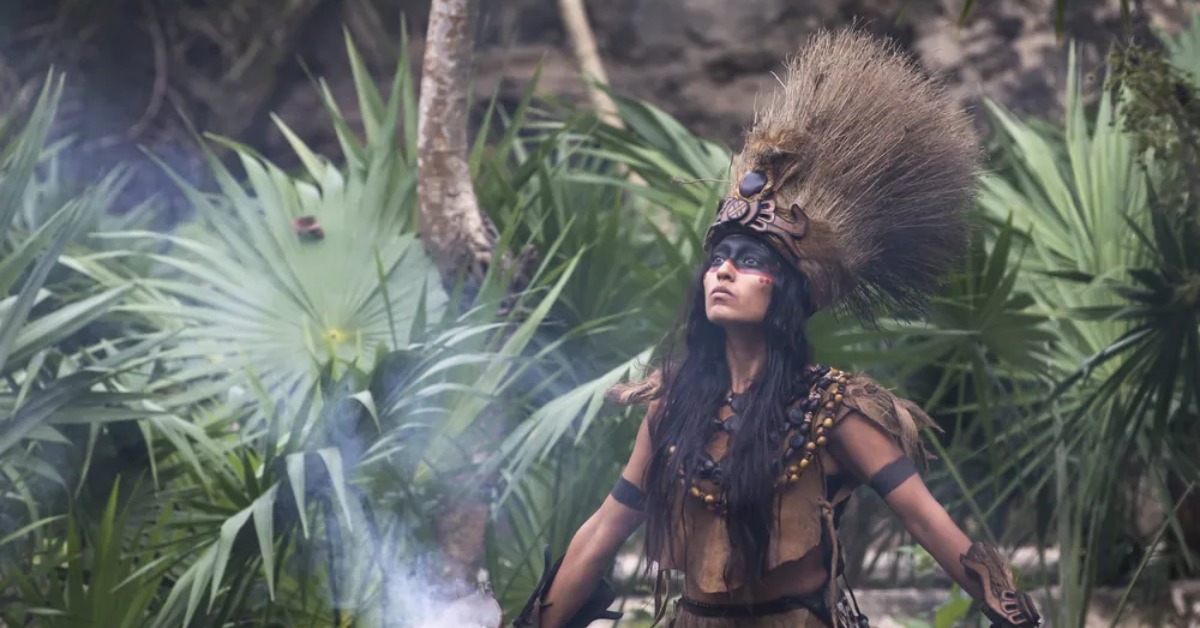
A new line of research presented in Mérida is pushing back against one of the oldest habits in Maya history. For a long time, the public story centered on men as rulers, warriors, and decision-makers, while women were treated as wives, mothers, or background figures. The new argument is that this picture was incomplete from the start. When scholars look closely at hieroglyphic texts, iconography, and archaeological evidence, women appear with titles, roles, and responsibilities that place them inside power, not outside it.
That matters because the Maya are not a minor footnote in Mexican history. They are one of the civilizations most often used to explain the country’s deep past to locals, students, and visitors. When that story leaves women out, it does more than flatten the past. It also repeats a modern habit of assuming authority was always male, unless a woman can be treated as an exception. The research presented this week argues that the evidence does not support that narrow view.
What the evidence is showing
The strongest case comes from the Classic Maya period, when rulers left written records on stone monuments, buildings, and ceremonial objects. These inscriptions are important because they do not just record dates. They also preserve births, accessions, marriages, and dynastic events. Within that record, women appear with noble titles and in some cases with direct political standing. That does not mean every woman lived with equal power. It does mean the old idea of women as passive bystanders no longer holds up.
Some of the clearest examples come from royal courts. Lady K’abel, tied to the city of Waka’, is one of the best-known cases. Research on her titles and tomb has shown she was not a decorative royal spouse. She held a high rank and shared in the rule. Other evidence points to women acting as ritual specialists, dynastic links, and political figures whose authority helped hold cities and alliances together. In other words, power in Maya society was not always carried by a single male body on a throne. It could also move through queens, noblewomen, and female ritual actors.
The visual record adds another layer. On famous carved panels from Yaxchilán, Lady K’ab’al Xook is shown performing bloodletting rites tied to royal authority and sacred communication. That kind of scene matters because it places a woman at the center of a formal act of power. She is not watching history happen. She is making it happen. Clothing, posture, objects, and glyphs all work together to identify status and role. These are not random artistic flourishes. They are part of how the Maya recorded public meaning.
Why older narratives left women out
Part of the problem is that much of what later generations thought they knew about the Maya came through colonial writing and later retellings. Those sources were shaped after conquest and often carried European assumptions about gender, religion, and public life. Once those assumptions entered the story, they stayed there. Women became easier to overlook, and male-centered readings began to feel natural even when the material record was more complex.
Popular myth also did damage. The Maya were often turned into a civilization of mystery, spectacle, and simplified symbols. That kind of storytelling made it easier to repeat dramatic claims than to follow the slower work of reading inscriptions, comparing images, and studying burial evidence. In that environment, women could be romanticized, erased, or miscast. The new research argues that a more grounded reading changes the picture. Women were not marginal to Maya life. They were built into its political and sacred order.
What this changes and what it does not
This shift does not mean scholars are suddenly claiming ancient Maya society was modern, equal, or free of hierarchy. It was not. Maya cities were stratified, and most surviving records come from elites. That limits what can be said about ordinary women. The evidence is strongest for queens, noblewomen, and ritual figures whose names appear in inscriptions or whose status is preserved in tombs, monuments, and court art.
Still, that limitation does not weaken the main point. It sharpens it. Even within records that were built to protect dynasties and elite memory, women appear too often and too clearly to be treated as side characters. They held titles. They conducted rites. They linked lineages. They could anchor political legitimacy. The better question now is not whether women had power in the Maya world. It is how many older readings failed to recognize the forms that power took.
Why this matters now
For readers in Mexico, this is more than a scholarly correction. Maya history is part of the country’s living cultural landscape, especially in the southeast, where language, identity, tourism, heritage policy, and public memory still meet every day. A fuller account of Maya women changes how ruins are explained, how museum objects are read, and how schoolbook history can be told. It also challenges the habit of treating Indigenous civilizations as simple, frozen, or already fully understood.
That is why this story lands beyond archaeology. It is about who gets seen in the past and who disappears inside inherited narratives. The new research does not tear down Maya history. It makes it harder to simplify. And that may be the most important change of all. A civilization so often reduced to monuments, calendars, and mystery is being read with more care. In that sharper picture, women are not standing at the edge. They are part of the structure itself.