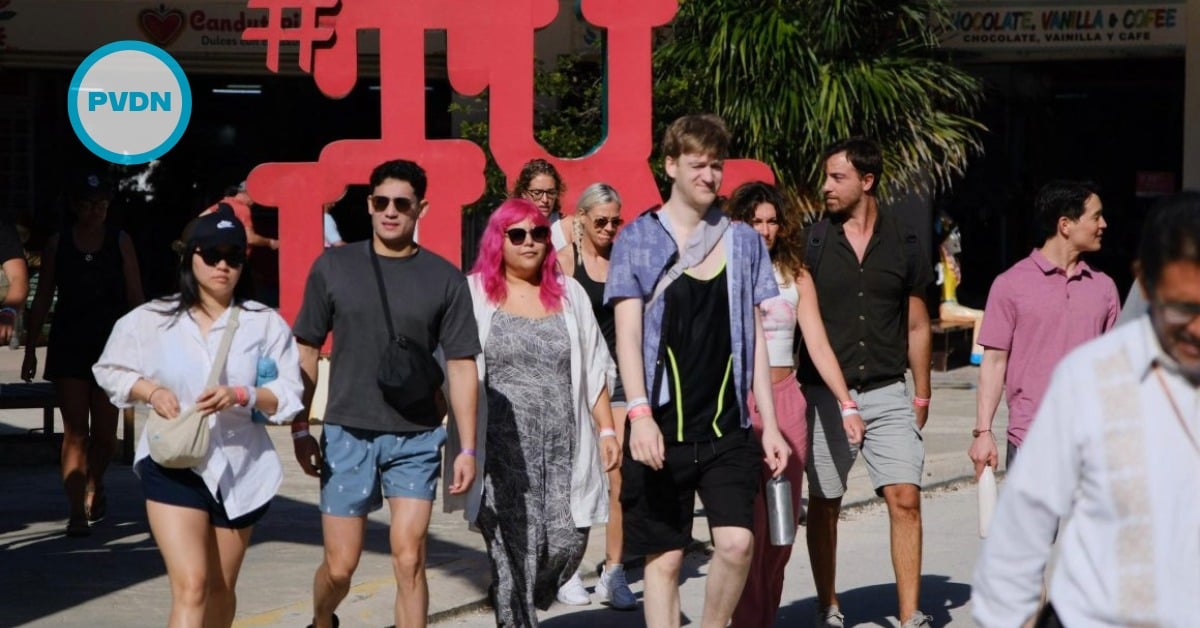
Mexico’s Revolution Day long weekend is officially the starter pistol for high season on the Caribbean coast, and this year the spotlight is firmly on Quintana Roo. Riviera Maya and Cancún are set to lead the country in hotel demand over the four-day break, confirming that travelers are ready to spend the holiday — and much of their El Buen Fin budget — by the sea.
Forecasts from the federal Tourism Ministry indicate a busy period from Thursday, November 13, to Monday, November 17. Across the country, authorities expect around 1.15 million tourists to stay in hotels during the long weekend, generating more than 43 billion pesos in spending on lodging, food, transport, and other services. That would mean a modest but steady increase compared with last year, along with a national hotel occupancy average of about 68 percent.
Within that national picture, Riviera Maya and Cancún stand out. The Caribbean corridor south of Cancún, marketed as Riviera Maya, is projected to reach hotel occupancy above 82 percent. In comparison, Cancún itself is forecast to reach around 77 percent, placing both destinations at the top of the rankings for this holiday period. Other beach cities such as Puerto Vallarta, Los Cabos, and Mérida also show substantial numbers, but it is Quintana Roo’s shoreline that once again anchors Mexico’s peak season expectations.
For many families, the timing makes sense. The Revolution Day holiday combines with the extended El Buen Fin discount weekend, allowing travelers to stretch a single trip to cover both rest and shopping. That mix helps explain why forecasts not only highlight the beach, but also large cities like Mexico City, Guadalajara, Puebla, Acapulco, and Monterrey, where occupancy is expected to stay well above 65 percent. The long weekend has effectively become a national reset button before the December rush.
Riviera Maya and Cancun tourism
On the ground in Quintana Roo, the numbers translate into packed airport halls, fully booked airport transfer shuttles, and hotel staff moving into high gear after a softer shoulder season. Even after years of growth, the Riviera Maya and Cancún corridor continues to attract a disproportionate share of Mexico’s leisure travel, thanks to its dense hotel inventory, international air connectivity, and all-inclusive model that appeals to both domestic and international visitors.
The current projections also mark an essential turnaround after a choppy year. Industry tracking showed that hotel occupancy in major Caribbean Mexican destinations slid during parts of the summer and early fall as travelers hesitated over prices, sargassum, and global economic uncertainty. Heading into the Revolution Day long weekend with figures above 77 percent in Cancún and more than 82 percent in Riviera Maya signals that demand is firming up again, just as high season begins.
For hoteliers, that is welcome news. A strong November bridge helps stabilize cash flow between the Independence Day holidays in September and the December holidays, and it supports staffing levels ahead of the Christmas and New Year surge. Tour operators and small businesses that depend on tours, restaurant sales, and local transportation also benefit from a concentrated burst of visitors before the deeper high season kicks in.
But the same success also brings familiar pressure points. Residents in Cancún and the coastal municipalities often see holiday weekends as a preview of the congestion to come: heavier traffic on the highway, crowded buses between inland neighborhoods and the hotel zone, and more strain on public services. In recent years, debates about how many rooms the region can sustain, and how quickly new projects should move forward, have become as common as the occupancy reports themselves.
Tourism officials highlight that much of the flow for this particular long weekend will come from within Mexico. Domestic travelers, often arriving on low-cost airlines or by road from the Southeast and Central states, are shaping a larger share of demand for the Riviera Maya and Cancún. That reliance on national tourism has helped cushion the region from swings in international markets. Still, it also means local workers and businesses have to adapt to shorter, more frequent stays and tighter budgets, even when hotels report high occupancy percentages.
As the long weekend unfolds, the challenge for the Caribbean coast is to turn high demand into a better experience on both sides of the check-in desk. That means managing everything from airport arrivals and highway bottlenecks to beach access and crowding in popular spots, so that visitors leave satisfied and residents can still move through their daily routines without feeling pushed out of their own city.
What the demand means for workers and residents
Away from the glossy numbers, the Revolution Day holiday looks very different when you are wearing a uniform rather than a swimsuit. For hotel housekeepers, waiters, front desk staff, drivers, and tour guides, the long weekend is less a mini vacation and more a marathon of back-to-back shifts. Many workers welcome the extra tips and overtime after slower weeks. Still, they also face long commutes from inland neighborhoods as roads and buses fill with visitors.
This is where the national conversation about tourism as a driver of local development becomes concrete. Authorities like to point to billions in projected spending and slight occupancy increases as signs of recovery and strength. For communities in Cancún and along the Riviera Maya, the question is how much of that money actually stays in the region, and how much ends up covering higher rents, food prices, and transport fares driven up by the very tourism that provides their jobs.
Holiday weekends also test public safety and infrastructure. Extra traffic on federal highways and local roads increases the risk of accidents. Popular beach access points and nightlife districts need visible, coordinated security to keep visitors safe without overwhelming residents with checkpoints and noise. At the same time, festivals, cultural events, and small markets often see a welcome bump in attendance, giving local artisans and performers a rare chance to reach larger audiences.
As this year’s Revolution Day long weekend gets underway, Riviera Maya and Cancún once again carry a large piece of Mexico’s tourism hopes. High occupancy forecasts suggest the region will start the season strong, supported by a mix of domestic travelers and end-of-year promotions. Whether that strength translates into healthier communities, fairer wages, and more resilient local economies will depend on what happens long after the last holiday guest checks out.
For now, the Caribbean coast is bracing for impact: airports humming, hotel lobbies full, restaurant terraces booked out, and workers heading into some of their longest days of the year. The Riviera Maya Cancun tourism story this weekend is not just about full rooms and big national totals. It is about how a holiday that celebrates a social revolution fits into a present where the fight for balance between visitors and residents is still very much alive.