On Women Entrepreneurs Day, a Riviera Maya program selected 15 women from across the region for mentoring, business support and seed funding.
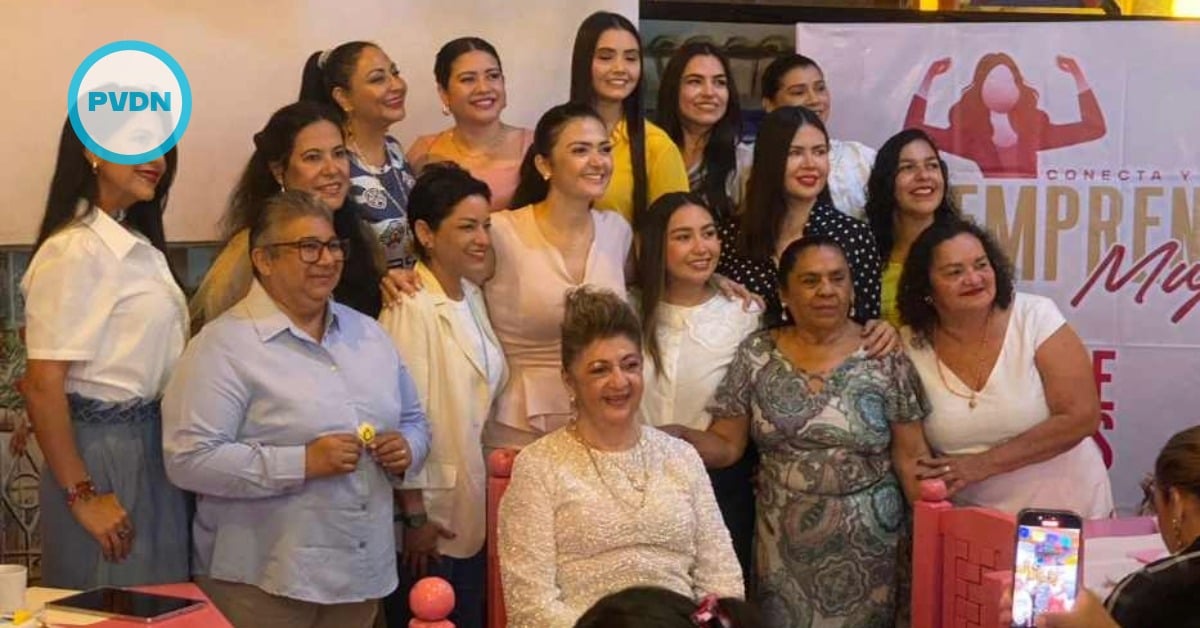
On the week of International Women Entrepreneurs Day, a corner of the Riviera Maya turned into a live laboratory of women’s economic power. In Playa del Carmen, a regional program called “Emprende Mujer, Conecta y Crece” brought together more than two hundred women who run or dream of running their own businesses in Cozumel, Tulum and Playa del Carmen.
The gathering, held on 21 November, marked one of the most crowded editions of the initiative so far. Organizers framed it as something more than a one-day contest. They described it as a chance to build support networks, share practical tools and give local founders a rare space where their work is the main focus, not a side note.
Behind the event is local legislator Euterpe “Tepy” Gutiérrez, who has turned the program into a personal banner. Her team pitches it as a bridge between early-stage entrepreneurs and the mentors, contacts and basic funding that can help a small project survive its first fragile years.
Riviera Maya women entrepreneurs step into the spotlight
This year’s call drew entries from across the coast. More than two hundred women answered the invitation. After an initial filter that required photos of each venture and a one-page project description, 77 applicants met the full criteria and advanced to technical review. From there, a committee selected 15 finalists for an in-person round in Playa del Carmen.
The finalists reflect the sectors where many women in the region already work, but with a push toward growth. Their projects range from beauty and wellness services to baby food, pastries, crafts and children’s clothing, along with products that aim to solve specific social problems in their communities.
Gutiérrez told participants that it is “time for women,” but that progress depends on women backing one another, not competing in isolation. In her words, success comes from joining hands and connecting so everyone can grow, not just the winner on stage.
There is still prize money on the table. The top project receives a cash award of 10,000 pesos, enough to buy equipment, invest in stock or cover a first round of marketing. Yet the program’s design shows that money is not the only goal. All 15 finalists gain access to business accompaniment, specialized advice and mentoring from established women entrepreneurs who already operate in the local market.
That combination of visibility, technical support and even modest capital matters in a country where many women build companies almost entirely on their own. A recent analysis by Mexico’s national commerce confederation, using official employment survey data from INEGI, estimates that about 6.8 million women in Mexico can be classified as entrepreneurs, either as self-employed workers or as employers. That is roughly 27.5% of all employed women nationwide.
Even with those numbers, most women-owned businesses remain small and vulnerable. A 2024 study on women’s entrepreneurship in Mexico found that many women start companies because they lack formal jobs or need extra income. Almost half of the women surveyed keep another source of income in addition to their business. The same report highlights persistent barriers to formalizing, accessing credit and adopting digital tools.
Those national patterns echo in the Riviera Maya, where tourism, commerce and services dominate local employment. The sectors most common among the Emprende Mujer finalists – food, beauty, services, crafts and textiles – match the areas where women’s enterprises are already strongest at the national level. The difference is that in this program, those founders are not invisible; they are on stage, pitching and being heard.
What comes next for the finalists
For the 15 selected women, the event in Playa del Carmen is less a finish line than a starting point. Over the coming months, they will work with mentors who have already navigated local bureaucracy, landlord negotiations, supplier relationships and the daily ups and downs of running a small business in a tourist corridor.
That mentoring is likely to focus on practical steps: turning a home-based activity into a registered business, understanding basic accounting and pricing, and learning how to reach customers beyond word of mouth. National research shows that women-founded companies often reach profitability faster than those led only by men, but they still receive less outside investment and have less access to technology. Closing that gap requires exactly the kind of guidance and contacts that programs like Emprende Mujer promise to deliver.
The timing of the contest is not accidental. International Women Entrepreneurs Day is observed on 19 November, as part of a global effort to highlight women’s role in the economy and to push governments and the private sector to back them with concrete policies, not just speeches. In Mexico, the date has become a moment for state and local initiatives that try to put those ideas into practice.
In Quintana Roo, the Emprende Mujer program has already built a short but active track record. It was launched in 2024 with a smaller field and the same 10,000-peso prize, designed from the start as a way to celebrate Women Entrepreneurs Day with something tangible: capital, training and public recognition for at least one woman-led business each year. This latest edition expands that vision by linking entrepreneurs from three municipalities and by placing mentoring at the center.
The real test will come long after the applause fades and the photos stop circulating on social media. If even a handful of these projects manage to grow, hire staff and stay open through the slow season, they will join the millions of women who already carry a significant share of Mexico’s business life. For now, the women who filled the room in Playa del Carmen leave with something many say they rarely get in the Riviera Maya’s tourist economy: the sense that their own companies, not only the big hotel chains, deserve a place at the center of the story.