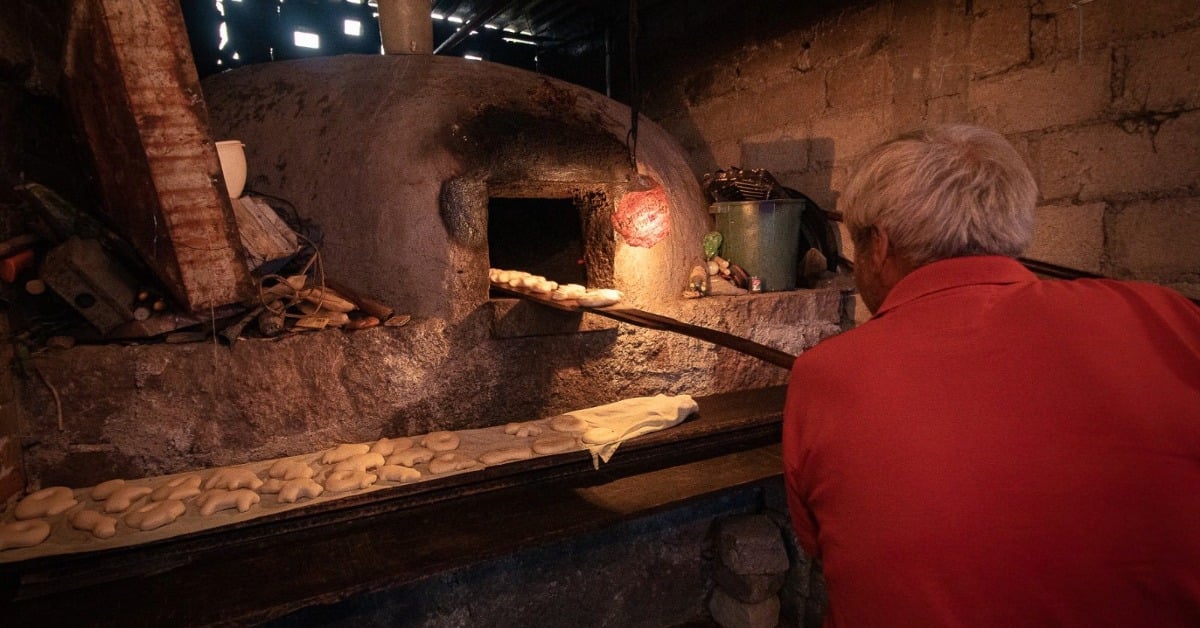
The smell of warm dough still rolls down the streets of Donato Guerra, the bread-making barrio in Rosario, Sinaloa, where two of the five traditional shops remain. One of them belongs to Enrique Salvador Peraza Osuna and his wife, María Teresa Medrano Maldonado, who have spent decades keeping hand-made baking alive.
Rosario artisanal bread
Their routine begins while most of the town sleeps. They mix and shape dough from 2 a.m., then fire up the clay oven at daybreak, a schedule set by the dough’s rest and the heat’s slow rise. The method is simple and strict: hands first, machines only when absolutely necessary. A mixer sits nearby, but Enrique favors arm work for texture and control.
The bakery is a family legacy. Enrique learned the trade as a boy of ten, first delivering loaves, then washing trays, and later joining the bench. His father, Trinidad Peraza, set the example, while a neighbor, Manuel Aguirre, became his teacher. The apprenticeship never really ended; it just moved into his own home, where the clay oven anchors the patio.
A craft that shrank but did not break
The numbers tell a hard arc. In busier years, the couple made up to two thousand pieces a day. Supermarket bakeries eroded those sales, and time has forced a slower pace. Today, a typical bake is about 250 pieces. They also cut production days to Tuesday, Thursday, and Saturday to match demand and protect their energy.
Economics nudge choices at the counter. The price per piece climbed from seven to eight pesos only in recent weeks, a small but necessary step as flour and other inputs rose. Enrique resisted raising prices, he says, but his children pushed him to make the math work. The change reflects a narrow-margin craft rather than a luxury good.
What stays on the tray
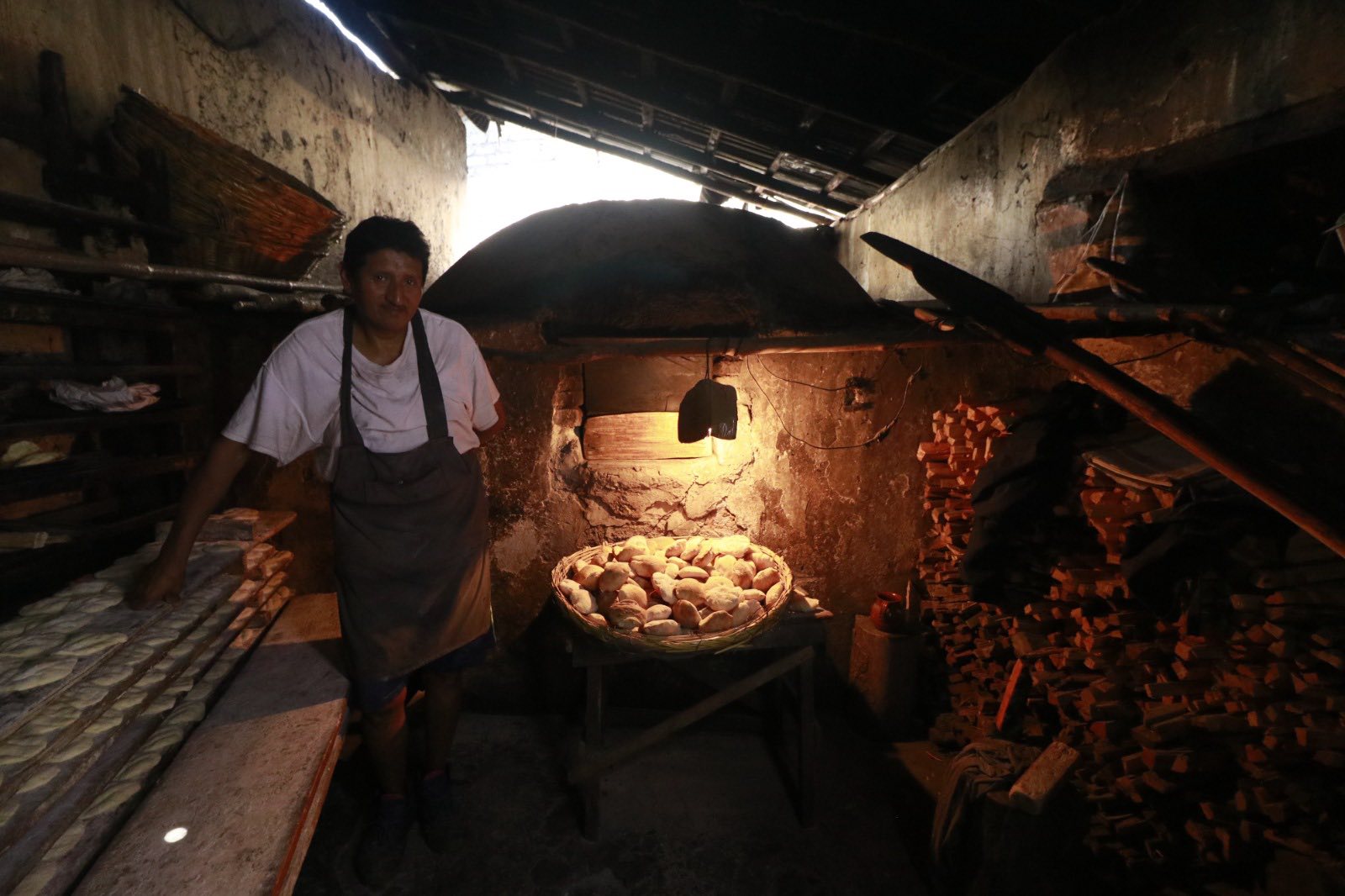
They keep a focused lineup that Rosario knows by heart: concha, elote, torcido, tortalisa, polvorón amarillo, and the sturdy panadero. More elaborate items—napoleones, ciudadalas, enchiladas—fell away because they demand time the couple no longer has. What survives are the pieces with the highest pull and the cleanest fit for small-batch, early-morning work.
The choice to mix by hand is not nostalgia alone. Enrique trusts his fingers to read the dough better than steel can. He admits the mixer helps with small items, yet the core remains “a puro pulmón,” as he puts it. That insistence is why the crusts crack just so and why regulars can guess the bake by smell.
A neighborhood’s memory, baked in
Donato Guerra’s identity has long included ovens and racks. From five shops down to two, the district still marks time by first light and cooling trays. The couple’s story holds another thread: their four children chose different careers, a sign of wider shifts in work and aspiration. Even so, the bakery endures because two people keep showing up on schedule, because a town’s muscle memory needs familiar bread to feel like itself.
Why it matters
This is not a museum piece. It is a working shop that adapted without abandoning its touch. The output shrank, but the standard did not. In a market shaped by chains, Rosario still has bread that tastes like patience. The couple’s clay-oven routine keeps a public good alive: a flavor that tells you where you are.