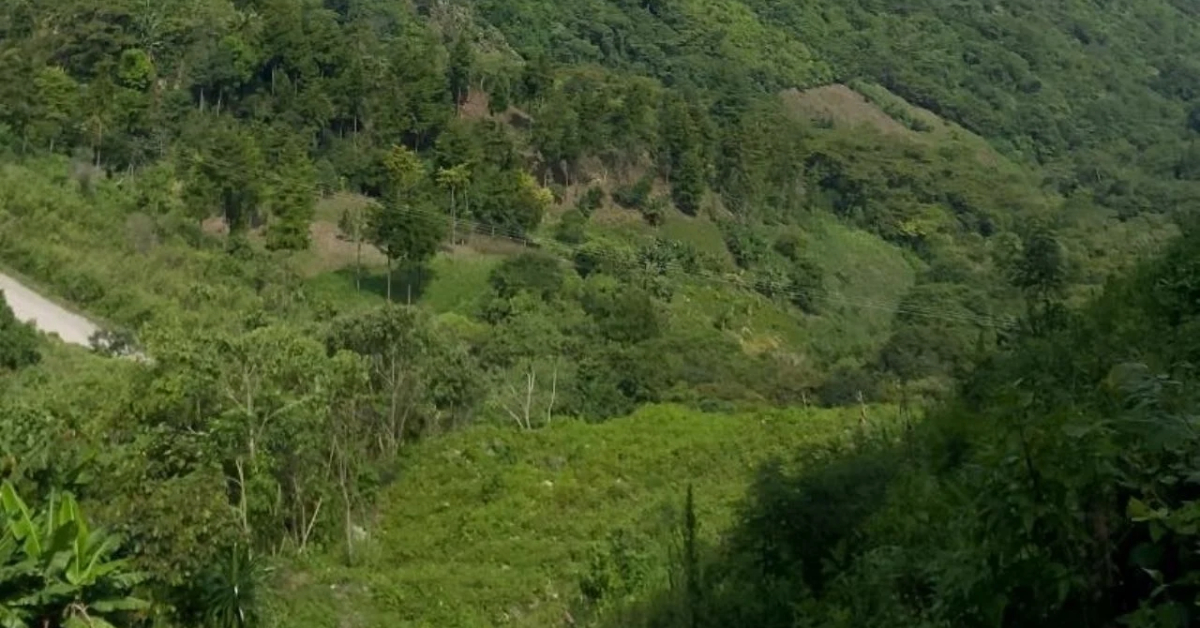
A federal judge in Chiapas denied an injunction to halt the San Cristóbal–Palenque highway project, sparking criticism from Indigenous groups over the lack of consultation and environmental transparency.
A First District Court judge in Chiapas has denied a suspension request that sought to halt construction on the controversial San Cristóbal de las Casas–Palenque highway, a major infrastructure project that has faced fierce resistance from Indigenous communities concerned about its environmental and cultural impact.
The decision, handed down by Judge Doris Yadira Ponce Figueroa, means construction of the highway may continue despite legal challenges and growing calls for proper consultation. Lawyers representing the affected Indigenous communities stated that the court dismissed their arguments on procedural grounds without weighing the substance of their claims.
Legal Decision Leaves Communities “Defenseless”
According to groups backing the injunction, the court ruled that the plaintiffs failed to prove an alleged omission by government authorities. They argue, however, that the burden of proving whether the government adequately informed communities about the project should rest with the authorities—not the Indigenous residents whose territories and lives will be impacted.
“At this time, the District Court’s decisions denying the provisional and definitive suspensions leave Indigenous communities defenseless,” said the plaintiffs’ legal team in a statement. “They allow the highway to continue without providing affected people with accurate and adequate information about the details of the project or its impact on their territories and culture.”
Review Appeal Still Pending
Despite the ruling, the fight is not over. The complainants have filed a review appeal, which is now pending before the Circuit Collegiate Court on Administrative Matters of the State of Chiapas. This appeal challenges the judge’s denial of the definitive suspension, and could result in a different outcome if the higher court finds merit in the plaintiffs’ arguments.
The appeal is considered critical by legal observers, not only for its potential to stop construction temporarily or permanently, but also for its implications on Indigenous rights and environmental protections in Mexico.
Protesters Decry “Irreparable Damage”
For Indigenous communities and their legal advocates, the stakes go far beyond legal technicalities. They argue that the construction of the highway represents “irreparable damage to the territory and the environment.” They say the court’s refusal to recognize the link between environmental destruction and the lack of access to timely, transparent information during the consultation process sets a dangerous precedent.
They criticized the court for failing to explore the core legal and constitutional issues at play. “The judge dismissed the case without examining the merits, claiming that the decree used to regulate consultations on megaprojects doesn’t, by itself, violate Indigenous rights,” said one advocate.
In parallel proceedings, a second district judge, Ana Luisa Mendoza Álvarez, also rejected an injunction focused on the decree that defines guidelines for consultations. Critics say her ruling ignored how the decree fails to meet basic international human rights standards. “A decision made by a show of hands by people outside the affected communities, without real dialogue or information sessions, cannot be considered a legitimate consultation,” the groups emphasized.
National and International Support Grows
The legal battle over the San Cristóbal–Palenque highway has garnered widespread national and international attention. A total of 12,516 Indigenous individuals from municipalities that stand to be affected have signed a Declaration of Territories Free of Megaprojects. The declaration is backed by 429 individuals and 33 civil society and academic organizations from 25 countries, including the United States, Canada, France, Germany, Argentina, and Brazil.
These groups accuse the state government, led by Governor Eduardo Ramírez Aguilar, of failing to properly inform the public, omitting the Environmental Impact Statement, and violating constitutional and international norms on Indigenous consultation.
“The government cannot impose development projects without asking whether Indigenous peoples want them. Maybe they would rather have schools or hospitals. Were they ever asked?” said one statement.
The declaration also expresses solidarity with local efforts to halt the project and protect what Indigenous residents describe as sacred territory. Supporters insist that the highway, despite being branded as progress, would instead disrupt ecosystems, displace communities, and erode cultural traditions that have existed for generations.
Broader Implications for Megaprojects in Mexico
The ruling arrives amid broader national debates about megaprojects in Mexico, including the Tren Maya and other large-scale infrastructure developments. Indigenous activists and environmental defenders argue that while these projects are often marketed as tools for economic growth, they frequently bypass the very communities they are supposed to benefit, and rarely include meaningful consultation.
Legal analysts say the case in Chiapas could serve as a test of Mexico’s commitment to Indigenous self-determination and environmental governance. “This was a missed opportunity for the courts to create new and important jurisprudence on the right to development and consultation,” said one human rights lawyer.
As the review appeal advances through the courts, construction on the San Cristóbal–Palenque highway continues. For now, Indigenous communities in Chiapas remain locked in a struggle—not just over a highway, but over the right to determine their own future.