A new exhibition in San Miguel de Allende is asking visitors to look at color as something more than form or technique. Led by artist Mario Oliva, the collective show at Fábrica La Aurora brings together Mexican and international artists who use color to examine social issues. The project places the color wheel at the center of the conversation, giving the show a clear visual theme while leaving room for different artistic approaches.
San Miguel exhibition uses color as its starting point
Artist Mario Oliva opened a collective exhibition at Fábrica La Aurora in San Miguel de Allende, bringing together Mexican and international artists around a shared theme: color as a tool for social reflection.
The exhibition, titled “A través del círculo cromático,” uses the color wheel as its organizing idea. The show asks viewers to consider how color can be used to address current social issues, rather than treating it solely as a visual element.
The exhibition includes artists from different generations and nationalities. Their work is grouped around chromatic relationships, with red and green works identified as part of the project’s second stage.
A gallery setting inside Fábrica La Aurora
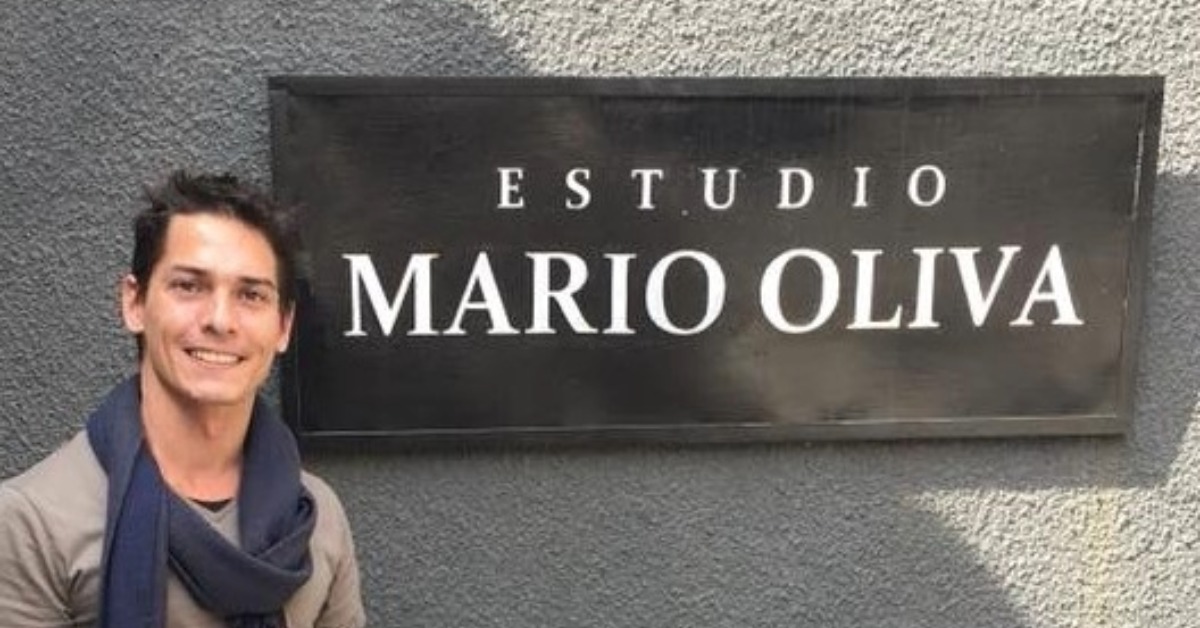
The exhibition is being presented inside Mario Oliva’s gallery space at Fábrica La Aurora, one of San Miguel de Allende’s established art and design venues.
Oliva’s studio is listed by Fábrica La Aurora as a space showing the artist’s current work. The venue also describes him as a painter and sculptor with a background in visual arts from the University of Guadalajara.
The show adds to San Miguel de Allende’s steady calendar of gallery exhibitions, cultural events and artist-led projects. For residents and visitors, Fábrica La Aurora remains one of the city’s main places to see contemporary work in a gallery setting.
The exhibition’s central idea
The central idea of the show is that color can carry social meaning. Through the color wheel, the exhibition gives artists a shared framework while allowing each work to approach the theme differently.
The project is presented as a collective effort rather than a solo show. That makes the exhibition less about one artist’s style and more about how different artists use color to reflect on present-day concerns.