San Miguel de Allende has unveiled a spring events calendar that city officials are presenting as more than a tourism promotion. The schedule, centered on April through June, brings together cultural, culinary, business, and sports events that officials say are meant to keep visitor traffic moving beyond holiday peaks and long weekends.
That matters because San Miguel’s economy is closely tied to the rhythm of tourism. Hotels, restaurants, event venues, artisans, transport providers, and service workers all feel the difference between a crowded weekend and a quiet one. The city’s message is that a stronger calendar can help smooth those swings. Instead of waiting for demand to arrive on its own, officials want to create recurring reasons for people to visit.
The strategy is also notable for blending public promotion with private-sector participation. The calendar was presented with representation from tourism, hospitality, wine, restaurant, and business groups. That suggests the city is treating events as an organizing tool for local commerce, not simply as entertainment.
What is on the calendar
The spring lineup begins with the Forever Wedding Summit in mid-April, followed by Classicíssima, a cycling event later that month. In May, the focus shifts toward wine and gastronomy with Vendimia Brava on May 2 and Millesime GNP Weekend from May 21 to 24. The calendar then moves into a more cultural phase with the Feria Internacional del Libro de San Miguel de Allende (FILSMA), from May 29 to June 7.
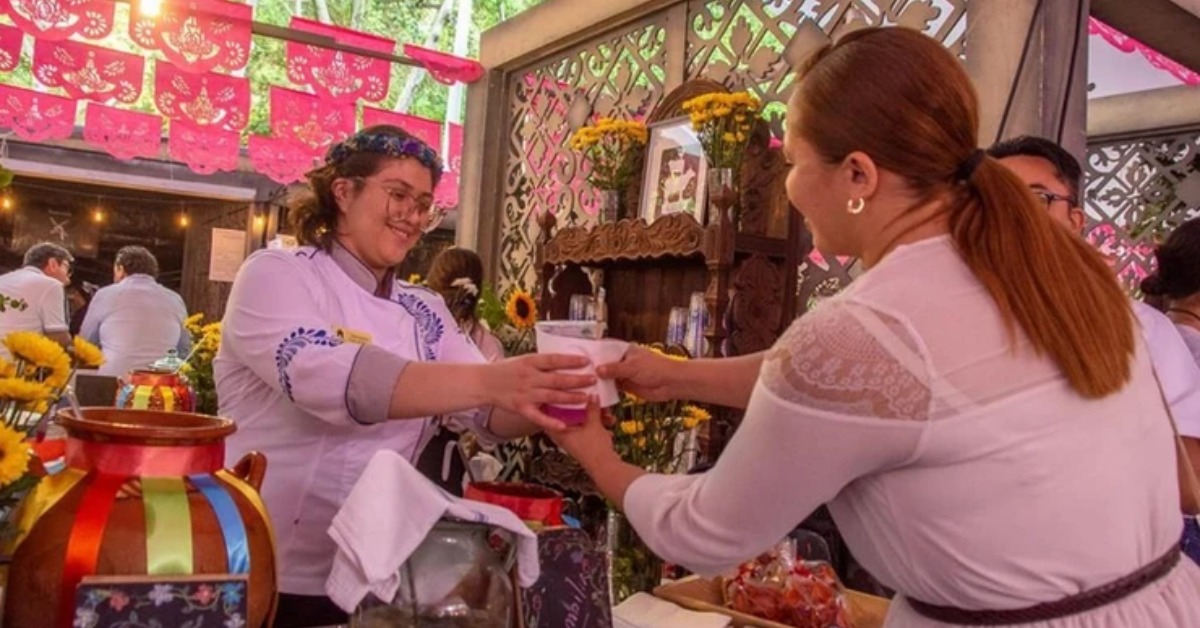
June continues with San Miguel y sus Sabores, a food-centered event planned for mid-month. Taken together, the sequence is not random. It moves from industry- and niche-based tourism to broader lifestyle and cultural programming. That gives San Miguel a way to attract different audiences in succession rather than relying on one type of visitor.
For international readers, the names of some of these events may be unfamiliar, but the categories are easy to read. Weddings bring planners, vendors, and destination clients. Cycling draws participants and companions. Wine and food events pull in higher-spending leisure travelers. A book fair widens the mix and gives the city a more cultural public face. It is a layered approach.
Why officials believe events can do more than fill hotel rooms
The official presentation makes clear that the city sees events policy as part of economic management. Officials said the aim is to strengthen local commerce, extend activity into weeks with lower demand, and spread benefits across sectors that include hospitality, restaurants, wine producers, artisans, and service businesses.
One detail stands out. Municipal officials highlighted the wedding segment as a major local driver, noting that the destination hosts more than 900 weddings a year and linking it to an estimated economic impact of more than 3 billion pesos. Whether every event on the calendar reaches that scale is another question, but the point is clear. San Miguel is not treating tourism as a single block. It is focusing on sub-sectors that already generate spending and visibility.
This approach also reflects how San Miguel has evolved. It is no longer promoted only as a weekend colonial city or a heritage stop. Officials now describe it as a destination with year-round activity. The new calendar is meant to support that argument with dates people can book around.
What the spring push means for people living in and around San Miguel
For residents, part-time homeowners, and foreigners based in the area, the calendar is useful in practical terms. A stronger event season usually means fuller restaurants, heavier traffic near the center, busier hotel zones, and more pressure on reservations and mobility during key weekends. It can also mean more commercial activity for local businesses and a wider cultural offering for people already in town.
There is also a familiar question beneath the optimism. Event-led growth can produce visible gains, but its local value depends on how widely the benefits are shared. The city’s presentation stresses support for local producers, artisans, and service providers. That will be an important point to watch as the season develops. A full hotel is one indicator. Broader participation in the economic upside is another.
Still, the calendar shows a city trying to be deliberate. San Miguel is using culture, gastronomy, sports, and business tourism as tools to shape demand rather than react to it. For a place that depends heavily on reputation and return visits, that is a meaningful shift from simple destination marketing to something closer to year-round programming.
The bigger picture behind the spring calendar
The spring agenda is only part of a wider 2026 plan. Officials also referenced later events, including GEMA in August, which suggests the city is building continuity rather than a one-off campaign. That broader structure matters because it can help San Miguel maintain visibility in a crowded tourism market while reducing the dependence on a handful of peak periods.
In the short term, though, the April-to-June stretch is the first real test. If these events draw visitors across different niches and generate sustained activity for local commerce, city officials will have stronger evidence that the model works. If not, the calendar may still attract attention, but with less measurable local benefit.
For now, the message from San Miguel is straightforward. The city wants to make spring feel busy by design. And it wants that activity to be read not only as a sign of popularity, but as a tool for economic stability.