A casino company sanctioned by the United States over alleged cartel links has surfaced in a new and different arena: land in Tulum. The case connects organized crime finance, casino oversight, environmental pressure, and the rush for valuable property in Mexico’s Caribbean. For foreign residents and buyers watching Quintana Roo’s real estate boom, the story adds another warning sign about due diligence, permits, and who may be standing behind high-value land deals.
Casino sanctions now reach a land story
A Mexican casino operator sanctioned by the United States over alleged ties to the Cártel del Noreste has acquired land in Tulum, one of the most valuable real estate markets in the Mexican Caribbean.
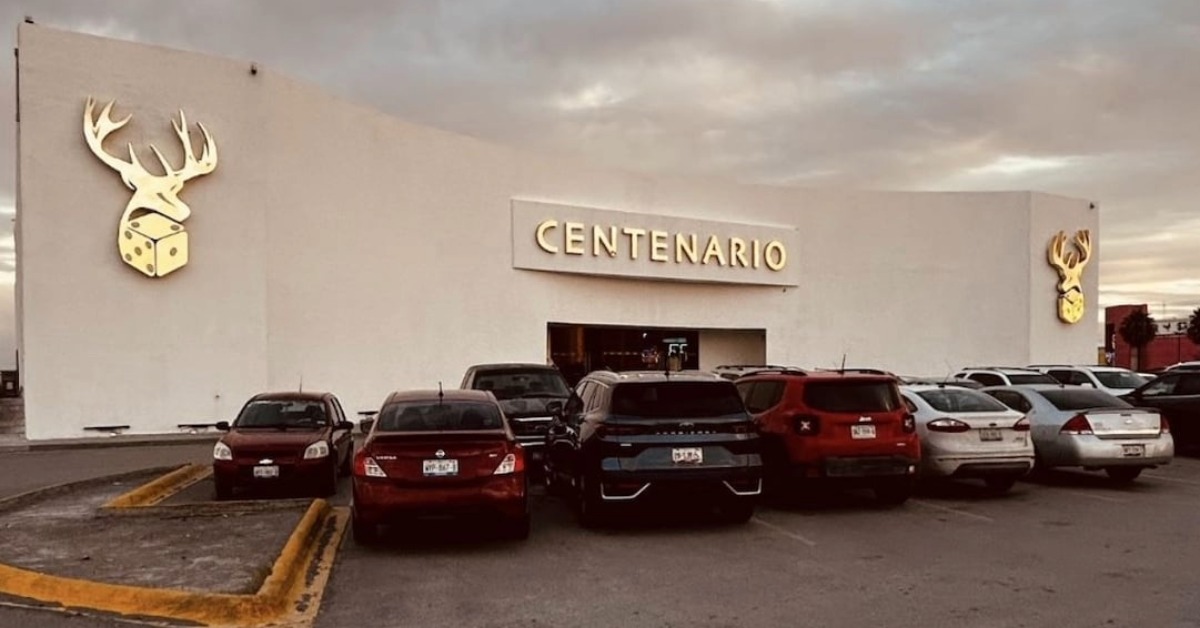
The company is Comercializadora y Arrendadora de México, known as CAMSA. It has been identified by U.S. authorities as the operator of Casino Centenario in Nuevo Laredo and Diamante Casino in Tampico.
The latest information indicates that CAMSA is beyond the casino sector. Documents cited in the case state that the company holds deeds to land in Tulum, with the paperwork validated in September 2021.
That raises a wider question for Quintana Roo. The state is already dealing with fast growth, irregular developments, environmental complaints, and rising pressure on coastal and jungle land.
What U.S. authorities say about CAMSA
The U.S. Treasury Department sanctioned CAMSA on April 14, 2026. The action was part of a broader move against six targets linked by U.S. officials to a money-laundering and cash-smuggling network allegedly operated by the Cártel del Noreste.
The sanctions named Casino Centenario, Diamante Casino, CAMSA, and three individuals.
U.S. officials alleged that Casino Centenario, in Nuevo Laredo, was used to store fentanyl pills and cocaine. They also alleged it was used to launder illicit proceeds through gambling operations.
The Treasury Department made another serious allegation. It said back rooms at Casino Centenario were used to torture and intimidate alleged enemies of the cartel.
CAMSA was sanctioned for allegedly providing support to Casino Centenario. Diamante Casino was also sanctioned because U.S. authorities said it was owned, controlled, or directed by CAMSA, or acted on its behalf.
The sanctions do not amount to a criminal conviction in Mexico. They are a U.S. financial measure. Still, they carry major consequences because they block U.S.-linked property and restrict transactions involving U.S. persons.
How Mexico responded
Mexican authorities also examined the casino network. The Unidad de Inteligencia Financiera, or UIF, said it carried out financial, tax, and corporate analysis of the people and companies identified.
According to the Mexican response, authorities detected betting establishments operating under the same business structure. They also identified relevant international transfers to several jurisdictions, including some considered higher risk.
The UIF said it found inconsistencies between the amounts handled and the income reported. It also pointed to significant cash movements that did not match the declared business activity.
The agency said it filed complaints with the Fiscalía General de la República for possible money laundering and tax crimes. It also shared information with the Secretaría de Gobernación through the gambling authority regarding the possible suspension of identified establishments.
That matters because casinos in Mexico are not regulated only by local governments. Gambling permits fall under federal authority through the Secretaría de Gobernación and its games and draws division.
Why Tulum raises a different set of questions
The Tulum land angle moves the story into a sensitive part of Mexico’s economy. Quintana Roo has seen years of intense real estate demand, especially in Cancún, Playa del Carmen, and Tulum.
For many foreign buyers, Tulum has been marketed as a lifestyle investment. For local authorities, it has also become a difficult enforcement zone.
State officials have identified hundreds of irregular real estate developments in Quintana Roo. Many involve problems with permits, land status, or approvals from different levels of government.
This does not mean every disputed project is tied to organized crime. It does mean the property market has become complicated enough that buyers need stronger checks before entering into any deal.
The CAMSA case adds another layer. When a sanctioned casino operator appears in land records in Tulum, the concern is not only whether the land was bought legally. The concern is how money, ownership, and development pressure move through a high-value market.
Casinos, land and the development rush
Casinos can be attractive to criminal groups because they handle cash and provide a path for money to enter the formal economy. Real estate can create another path.
Land can appreciate quickly. It can also be held through companies, trusts, partners, or complex ownership structures. In places with weak enforcement or unclear records, this can make it harder to know who controls a project.
Tulum’s rapid growth has already strained roads, water systems, sewage capacity, and environmental oversight. The area also sits near fragile ecosystems, including jungle, cenotes, underground rivers, and coastal zones.
That makes land use more than a paperwork issue. When ownership, permits, or environmental compliance are unclear, impacts can extend to buyers, residents, communities, and public resources.
For foreign residents in Mexico, the lesson is practical. A beautiful location and a polished sales pitch are not enough. Buyers should confirm the title, permits, land use, environmental approvals, and the company’s background when selling or developing the property.
The bigger casino scrutiny in Mexico
The CAMSA case is not the only recent example of casino scrutiny in Mexico. U.S. and Mexican authorities have increased attention on gambling businesses, alleged money laundering, and links to organized crime.
The sector is legal when properly authorized. But it is also treated as sensitive because of cash flow, betting activity, and the possibility of disguising the origin of funds.
Mexico’s gambling law grants the federal government authority over games of chance and games of skill with betting and draws. Establishments need express permission from the Secretaría de Gobernación.
That federal role is important in cases like this. If a casino operator is sanctioned abroad and investigated in Mexico, regulators must look beyond the gaming floor. They must also examine corporate structures, related companies, bank movements, and other assets.
What comes next
The next stage will depend on Mexican authorities. The key questions are whether regulators review CAMSA’s land holdings, whether any corporate or financial links affect the Tulum properties, and whether any local or federal permits are involved.
There is also a separate question for Quintana Roo. The state is already trying to bring order to a real estate market where hundreds of developments have been flagged as irregular.
The appearance of a sanctioned casino operator in Tulum land records will likely add pressure for stronger reviews of ownership and compliance.