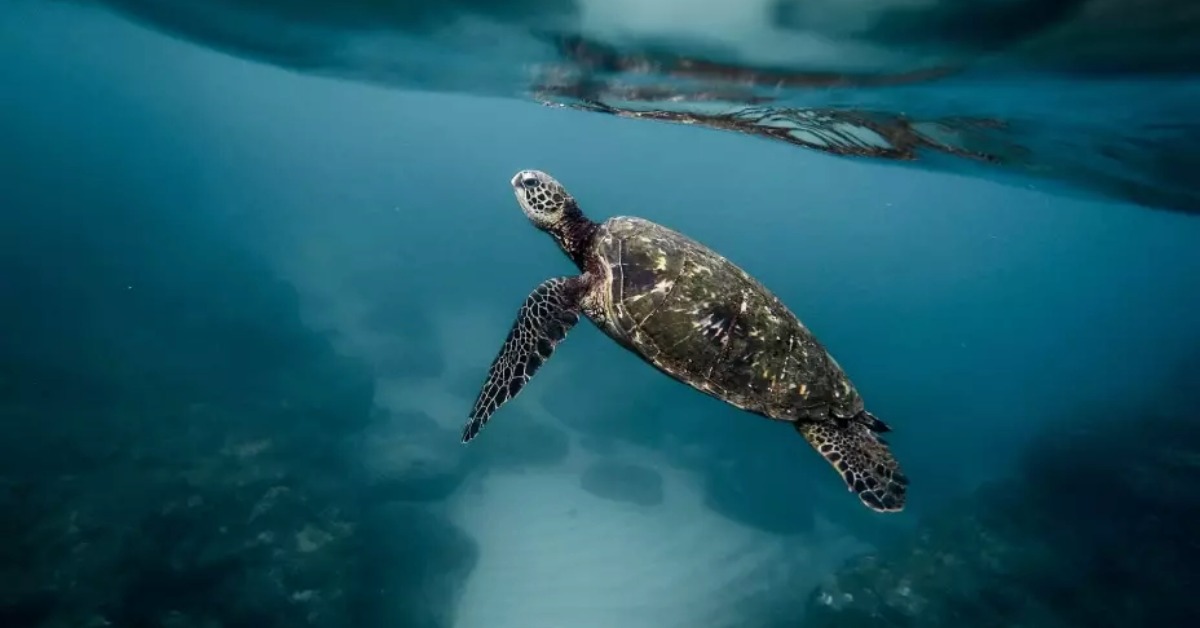
San Carlos, Sonora – The dark sand of Miramar Beach in Guaymas, Sonora, drew a quiet chorus of watchers late Monday night when locals spotted a loggerhead sea turtle coming ashore to lay her eggs. Their vigilance turned a routine nesting event into a successful conservation moment, one that could help a vulnerable population survive. Six of the world’s seven sea turtle species nest in Mexico, and each protected clutch matters.
Witnesses followed best practices: no lights, no approach, traffic cones marking the site, and immediate notification to the environmental authorities, PROFEPA and SEMARNAT. That alert triggered a coordinated response. Members of the Wildlife Rescue, Rehabilitation, and Research Center AC (CRRIFS) and the Guaymas and San Carlos Turtle Group arrived quickly to take over protection of the nest. The loggerhead had deposited 90 eggs. Volunteers recovered them carefully and relocated them to a secured area away from heavy beach traffic and typical disturbances at Miramar. The move reduces the risk of trampling, predation, or accidental damage.
How nesting works and why protection matters
Sea turtles return, often to the same beach where they were born, to dig nests with their hind flippers, lay their eggs, and cover them with sand before camouflaging the site. Then the mother vanishes back into the sea, never to see the hatchlings. When they emerge weeks later, the newborns instinctively crawl toward the ocean and begin a perilous journey. Most do not survive: predators, disorientation, and environmental hazards claim the majority before they reach deeper, safer waters.
The quick intervention on Miramar Beach gives these 90 eggs a much better chance. The protected site will be monitored for incubation conditions, and volunteers will guard the nest until hatching. A successful emergence could send several dozen hatchlings into the Gulf of California—a small but meaningful boost to regional sea turtle populations.
Community action is the first line of defense
The social media post from the involved groups made clear that the nest protection was a team effort. “This is the second sea turtle nest on Miramar Beach, protected this season by CRRIFS and the Tortuguero Group. Our respect to all the people who sighted and notified the authorities and the volunteers who came forward to carry out this great work,” the message read. The initial observers were ordinary beachgoers who knew what to do: no flash photography, keeping distance, marking the nest, and alerting the proper agencies. Their choices created the conditions for expert responders to act effectively.
Local conservationists say that episode should serve as a reminder: protecting sea turtles is everyone’s responsibility. Federal protections and long-term recovery efforts depend on informed citizens spotting nesting turtles and responding correctly. In a popular public space like Miramar, where human presence and foot traffic can easily disrupt nests, that first moment—when someone sees a nesting turtle and chooses to help instead of interfere—often determines the outcome.
Looking ahead
As the eggs incubate in their guarded nest, volunteers will stay vigilant, waiting for the night they break free. If the hatchlings make the crawl and reach the water, they will begin life in the Gulf of California, carrying genetic legacy forward and, years later, possibly returning to the same beach to nest. The nest protected in Guaymas is not a headline-grabbing triumph, but it’s a quiet, cumulative win in a long fight to keep sea turtles from sliding back toward extinction.