In Culiacán, the state’s top officials stood beside the federal security team with a simple message: the crackdown is working. Governor Rubén Rocha Moya said the combined efforts of federal and state forces have undermined the strength of groups in conflict and produced “important results.” The statement came during the biweekly meeting of the Federal Security Cabinet, now a regular presence in Sinaloa after a turbulent year.
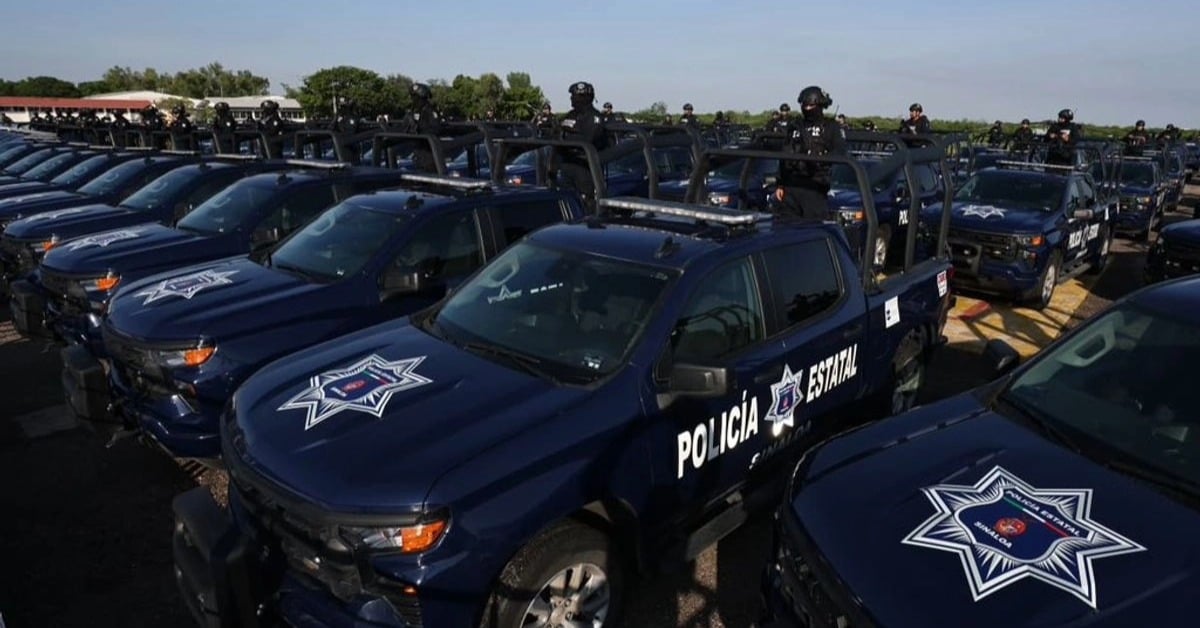
The symbolism mattered, but the logistics mattered more. The federal government delivered 100 fully equipped patrol cars to the State Police and backed a plan to recruit and train 150 new officers for the state force. The handover took place on the military air base in Culiacán and was led by Security Secretary Omar García Harfuch, with Defense Secretary Ricardo Trevilla Trejo also in attendance. The new fleet and pipeline of recruits are meant to tighten patrol coverage and shorten response times where residents need it most.
Organized crime shapes security, local economies, and politics across Mexico. Our Mexico Cartel hub keeps the big picture, what’s happening now, and our best national reporting in one place—focused on facts, accountability, and public interest.
security operations in Sinaloa
The security operations in Sinaloa have shifted from episodic deployments to steadier coordination. The Security Cabinet’s return to Culiacán signals that Sinaloa remains a priority test case for the national strategy: more intelligence, closer federal-state alignment, and a visible police presence that does not pack up after a weekend sweep.
This approach reflects a broader national picture. Mexico’s homicide trend has eased this year, even as other crimes press hard on local economies. For Sinaloa, the yardstick is more immediate: fewer late-night bursts of gunfire, schools that stay open, and roads free of sudden blockades. New vehicles and fresh officers will not end the conflict, but they can help restore a rhythm of daily life that violence has fractured.
What federal backing looks like in the state
The handover is tied to a cooperation agreement between the Defense Ministry and the Sinaloa government. The pact sets a training track for new state officers and opens the door to longer-term mentoring. It is a recognition that municipal and state forces have been stretched thin by months of flare-ups on the edges of Culiacán and along the corridor to Navolato.
Business leaders have pressed for this kind of support. Tourism and trade rely on the predictable movement of people and goods, not rolling street closures and sudden shootouts. A larger, better-equipped state force—paired with the National Guard and the Army—offers a clearer chain of response when trouble starts and a steadier deterrent when it doesn’t.
What the warring groups mean for residents
The governor’s claim—that operations are weakening the armed groups—will be judged block by block. The conflict has been driven by rival factions with deep roots and deep pockets. It has produced street-level clashes on the city’s fringe and in nearby towns, often with little warning. That is why residents measure progress not by podium soundbites but by whether their kids stay in school all week and whether a night drive across town feels safe again.
This week’s moves are at least tangible. More patrol cars mean more fixed posts and rolling patrols. The training pact means fresh officers will arrive with a common doctrine and a direct line to federal mentors. If the Cabinet keeps meeting in Sinaloa, the state can hold federal partners to the promises made on its soil.