Semarnat approves Jaguar National Park
The federal environment ministry has authorized the operation of Jaguar National Park in Tulum for 40 years, closing a regulatory loop that lagged behind construction. The decision, issued on July 30, came through an environmental impact resolution that validates the project’s study and allows the facilities to run on a long horizon. The approval follows years of public debate over how to balance access, archaeology, and fragile coastal ecosystems in one of Mexico’s busiest tourism corridors.
Sedatu drafted the environmental study in 2023, after works were already underway in the protected area decreed in 2022. In the ruling, the ministry accepted Sedatu’s argument that construction began under a 2021 decree that labeled certain public works as matters of public interest and national security. That timing explains why paths, modules, viewing platforms, and access points were finished before the permit’s final green light.
What this changes on the ground
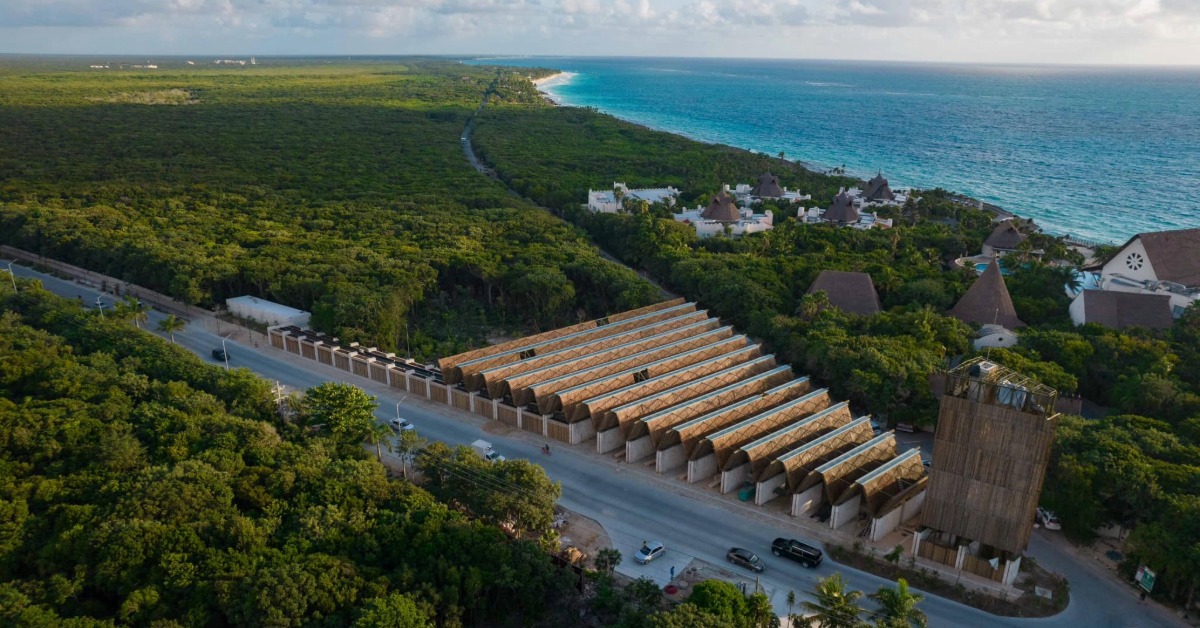
With the permit in place, the park’s operation proceeds on a formal footing. Jaguar National Park was inaugurated in September 2024 with new coastal access, interpretive trails, and the Museo de la Costa Oriental, integrating the Tulum archaeological zone into a broader low-impact circuit. Government figures put the public investment at roughly 2.7 billion pesos through Sedatu’s urban improvement program.
The park’s mobility plan is anchored to the Tren Maya and the Tulum International Airport. That means visitors are funneled through designated entries and shuttles rather than private vehicles, a shift meant to cut congestion and reduce pressure on dunes and turtle beaches. The environmental file explicitly describes this linkage to rail and air infrastructure as part of the project design.
Rules inside the protected corridor
Two overlapping protected areas frame the park: the Tulum National Park and the Jaguar Flora and Fauna Protection Area, the latter decreed in 2022. Conservation rules already in force ban most motorized traffic in core zones, restrict commercial vendors, and discourage single-use plastics. The management program for Tulum National Park emphasizes “low-impact” tourism activities such as walking, cycling, and guided observation, and it limits new public works to those required for protection, management, and research.
Those rules matter now that regular operations are ramping up. They determine how many people can be in sensitive stretches at once, where services can be located, and the kinds of equipment that can be brought in for maintenance. The aim is to keep beach access open while protecting nesting habitat, coastal vegetation, and archaeological features that sit meters from breaking surf.
An environmental permit in a militarized operating model
Another distinctive feature is who runs the place. Jaguar National Park’s complex of access roads, shuttles, and public areas is administered by the state-owned company Olmeca-Maya-Mexica (GAFSACOMM), a military-controlled operator that also manages airports and the Tren Maya. On the ground, that has meant the presence of Sedena, Profepa, Conanp, INAH, and the National Guard in a single hub, a model federal authorities say improves coordination and security.
That operating structure has drawn scrutiny, particularly as the same company plans hotel projects tied to the rail network. Supporters argue the arrangement stabilizes funding and standards for maintenance and access; critics worry it blurs lines between conservation, public access, and commercial use. What is new today is that the park’s environmental compliance now carries a long-term permit, which gives regulators clearer leverage to enforce conditions.
What to watch next
The approval does not end oversight. Recent months showed Semarnat can deny permits that threaten the new corridor; a plan to drill 24 deep wells for Tulum’s water utility was rejected over projected impacts to the park. Expect the same standard to apply to any future expansions or private initiatives seeking access inside or around the protected area.
Local governments will also be measured on beach crowding, traffic at entries, and waste management once the peak season returns. The promise of this model is quieter beaches and a safer visitor experience. The risk is that pressure simply moves elsewhere if shuttle capacity, staffing, and enforcement fail to keep pace with demand.