Mexico will avoid intervening in Venezuela–U.S. tensions, Sheinbaum says, while keeping regional channels open and urging peaceful talks.
Mexico’s president is drawing a clear line as tensions rise between Venezuela and the U.S. President Claudia Sheinbaum says Mexico will not intervene, even as the standoff starts to pull in governments across the region.
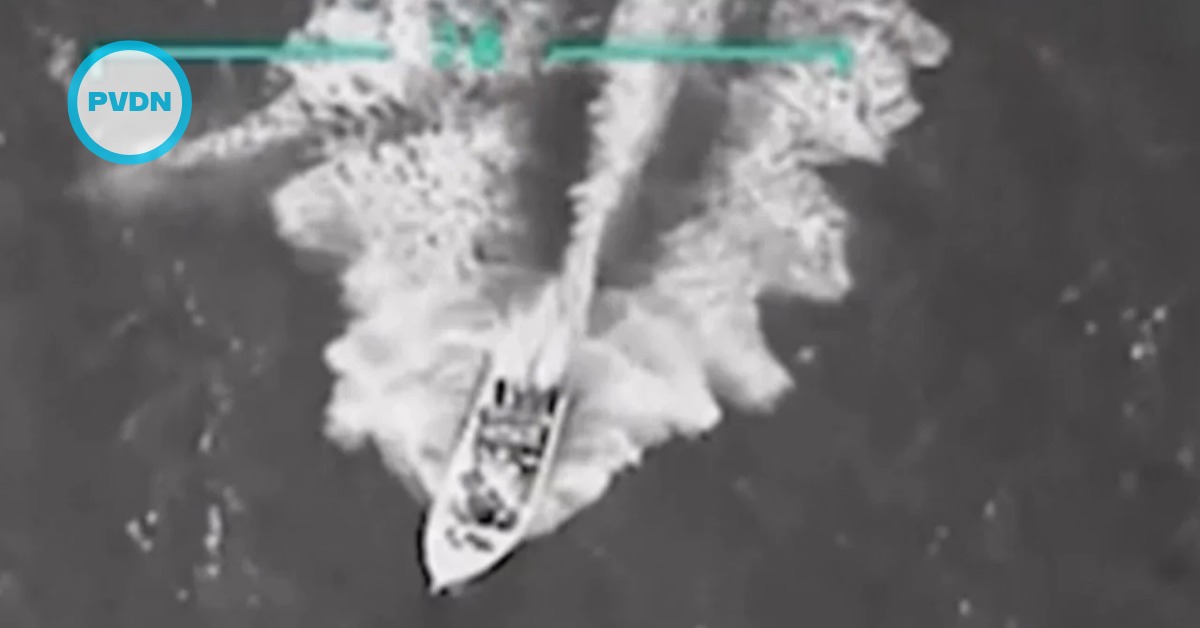
Her message lands at a tense moment. The U.S. government has signaled tougher enforcement at sea tied to sanctions, and Venezuelan authorities have responded with sharp language. In Mexico City, Sheinbaum is trying to keep Mexico out of the blast radius while staying engaged enough to help steer things back toward talks.
Mexico keeps its distance but stays on the phone
Speaking in her morning conference on Friday, Sheinbaum said Mexico is in contact with Latin American governments following the fast-moving dispute. She framed that contact as monitoring and diplomacy, not as participation in pressure campaigns or coordinated action.
“Our position is no to intervention,” she said, adding that Mexico will help where it can, “as it always has,” but only in ways that respect sovereignty and Mexico’s Constitution.
The point is not subtle. Sheinbaum is signaling that Mexico will not back actions that cross into interference in another country’s internal affairs. At the same time, she is leaving the door open to quiet diplomatic work, including communication with leaders who have urged a peaceful exit from the crisis.
A day earlier, she went further, arguing that countries across the hemisphere should oppose any intervention and press for a peaceful solution. She framed that as a constitutional duty, not a preference that changes with the news cycle.
Why Sheinbaum keeps invoking non-intervention
In Mexico, “non-intervention” is not just a slogan used when it is convenient. It sits inside the constitutional principles that guide foreign policy, including respect for self-determination and the peaceful settlement of disputes.
That matters because it narrows Sheinbaum’s options in public. She can criticize the idea of intervention without picking a side in Venezuela’s internal politics. She can call for dialogue without endorsing any external pressure meant to force outcomes. And she can reject military action while still keeping working relationships with governments that disagree with each other.
Sheinbaum also knows the domestic audience she is speaking to. Mexicans have a long memory when it comes to foreign interference in Latin America. When she says it would be “very serious” for a Mexican president to support intervention, she is not only talking about legal limits. She is tapping into a political instinct that sees sovereignty as non-negotiable.
Diplomacy without taking sides
Non-intervention does not mean Mexico disappears. It means Mexico chooses a narrower lane, one built around communication, de-escalation, and forums that are meant to prevent violence.
This week, Sheinbaum urged the United Nations to act to prevent bloodshed in Venezuela as the dispute intensified. That call fits Mexico’s preferred playbook. When a crisis edges toward force, Mexico often leans on multilateral diplomacy rather than bilateral muscle.
Sheinbaum has also suggested Mexico could serve as a neutral venue for talks if the parties request it. That detail is important because it shows how she wants Mexico to be seen: not as a broker imposing terms, but as a place where dialogue can happen if both sides agree.
There is also a practical layer that rarely makes headlines. When regional tensions rise, governments quietly review consular readiness, communications, and contingency planning. For expats in Mexico, that can sound distant, but it is part of what “staying in contact” often looks like inside foreign ministries.
What this could mean for expats living in Mexico
For most people living day-to-day in Mexico, this story will not change life overnight. But it matters because Mexico’s relationship with the U.S. touches almost everything, from trade flows to border policy to financial confidence.
If the Venezuela dispute escalates, Mexico could face pressure to align more openly with Washington’s approach. Sheinbaum is signaling she will resist that kind of pull, at least in the form of direct involvement or endorsement of intervention. Her goal appears to be keeping Mexico credible as a regional actor while protecting the working relationship with the U.S. government.
There are also second-order effects that expats tend to notice quickly. Energy markets react to uncertainty in oil-producing countries, and shipping risks can ripple into prices. Mexico is not Venezuela, but the region’s stability influences sentiment, and sentiment influences costs.
Sheinbaum’s approach is essentially damage control through distance. She is trying to keep Mexico from being drafted into someone else’s confrontation, while still keeping a diplomatic channel open in case the situation needs mediators, message carriers, or neutral venues.