A brief street encounter near the National Palace turned into a criminal case after a man touched President Claudia Sheinbaum and leaned in to kiss her while she greeted people. Hours later, police detained a suspect and moved him to the city’s Sexual Crimes unit. The moment, captured on video, has reopened arguments about crowd-level access to the head of state and about everyday harassment women face in Mexico. Supporters praise approachability. Critics say access without buffers invites risk. The courts will now test the evidence.
A street breach in seconds
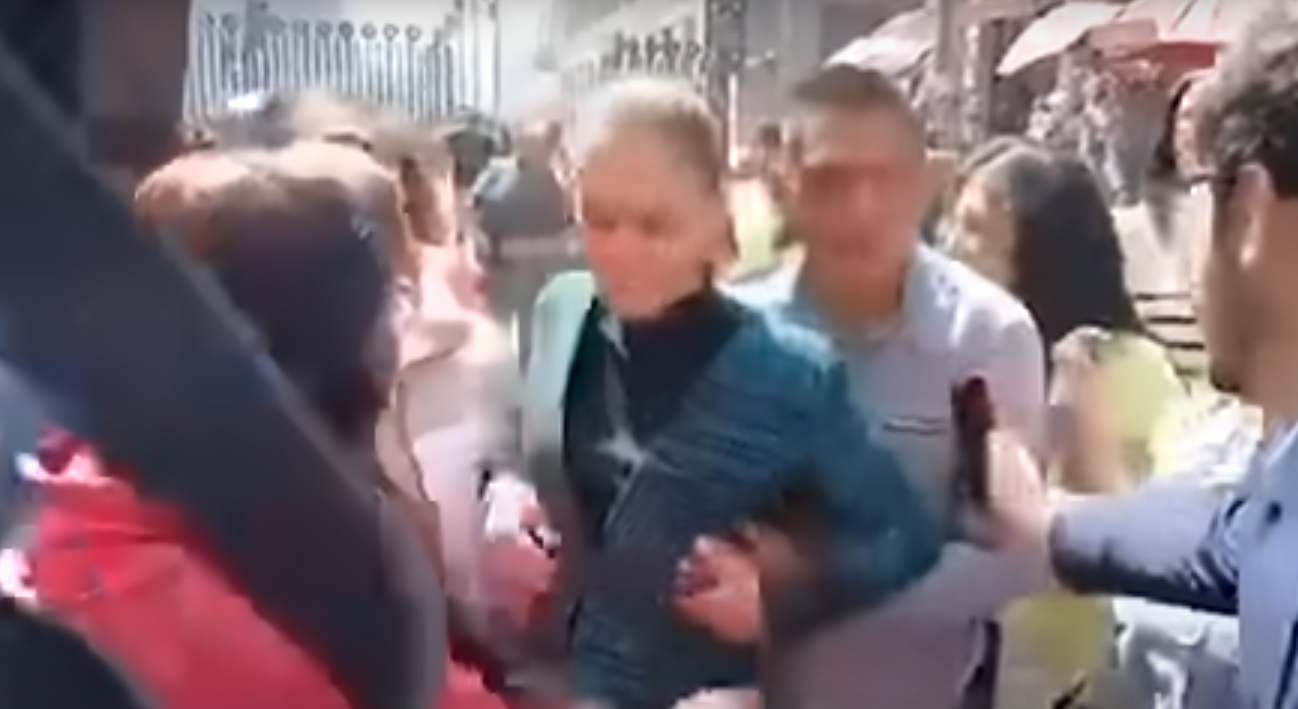
On Tuesday, November 4, 2025, a man stepped into Claudia Sheinbaum’s path in Mexico City’s historic center, reached toward her chest, and tried to kiss her as she greeted people. She pushed him away and kept moving while an aide stepped between them. Video of the approach spread quickly, and international outlets noted how close the man got before staff reacted.
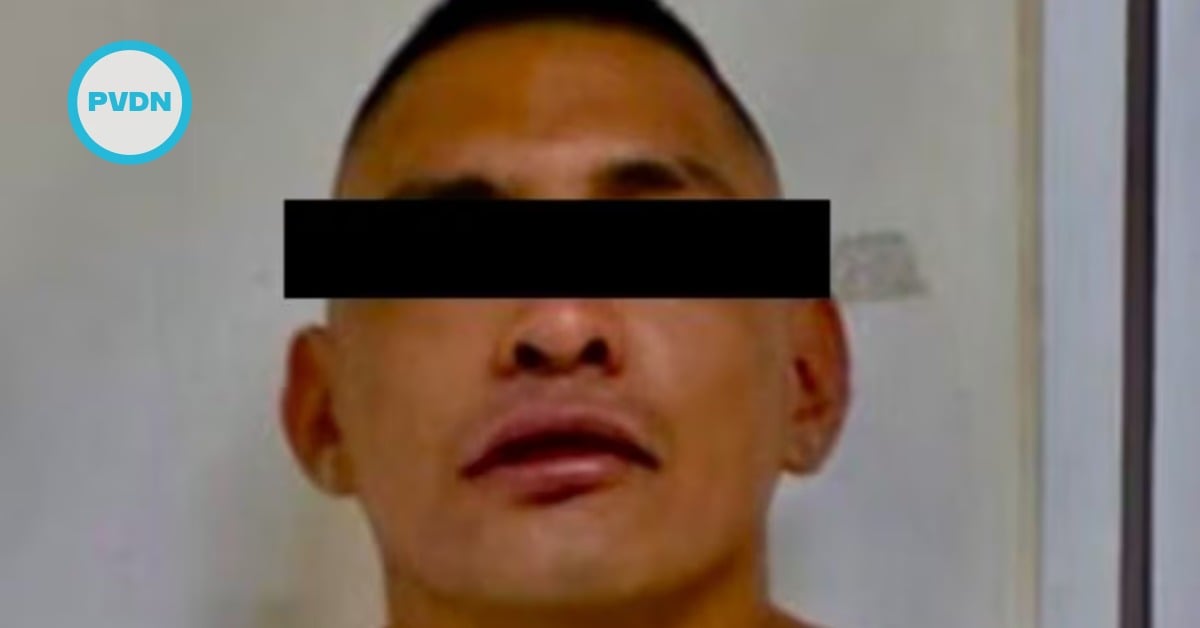
By nightfall, authorities had detained a suspect near the same area and transferred him to the capital’s Sexual Crimes prosecutor for intake. Local reporting first framed the case as abuso sexual, which criminalizes unwanted touching in Mexico City. One of the earliest accounts of the arrest came from El Informador, which placed the incident at the gates of the National Palace and reported the handoff to prosecutors.
Officials did not immediately release a full identity. Some outlets referred to the detainee only by an initial, in line with Mexican due-process practice. What drew faster agreement was the setting and sequence: an informal walkabout after a public event, a sudden breach, a quick intervention by the presidential aide, and an arrest within hours. The clip also revived a familiar conversation in Mexico about proximity politics and its trade-offs.
Sheinbaum harassment arrest
The presidency has embraced open walkabouts that project closeness. That approach leans on a small ayudantía rather than a militarized guard. The design aims to preserve visibility while reacting fast when someone crosses a line. In this case, the aide moved in within seconds. Supporters argue that this is the system working: brief contact, swift block, no escalation. Skeptics counter that a split second more can make a difference, especially in crowded corridors near federal buildings.
Women’s advocates seized on the clip for a different reason. They see an everyday pattern, just filmed at the country’s highest level. The message after the video was blunt: even the president is not insulated from harassment in public space. The question now is whether this case produces a clear legal path—one that is visible enough to signal that unwanted touching is not a trivial offense. That path runs through prosecutors, who must translate images and statements into charges a judge will accept.
Prosecutors in Mexico City do not need to show physical injury to pursue sexual abuse counts. They do need to establish non-consensual contact and intent, using available video, witness accounts, and official statements. If a judge finds probable cause, precautionary measures can follow, from supervised release to stay-away orders during the investigation.
If the case advances, it will also feed a policy debate that predates this presidency. Mexico disbanded the Estado Mayor Presidencial years ago. Successive administrations have favored smaller details and closer contact with crowds. The upsides are obvious: a leader who is physically present and unafraid. The downside is just as clear: compressed reaction time in tight spaces, where a bad actor needs only a moment. Tuesday’s walk through the Centro Histórico put both realities on the same screen.
The final judgment will be made in a courtroom, not in a comment thread. The facts that are not in dispute are already public. A man crossed a boundary in the open. The president pushed him away. Police later took someone into custody. However, the judge rules, the episode has already forced a complicated conversation about boundaries, accountability, and where to draw the line between approachable leadership and basic safety—on the street and for everyone.
Sheinbaum harassment arrest is now both a legal file and a test of a security model built on closeness. What happens next will show whether Mexico can protect an open style of politics without sacrificing the space women need to move through their own city without fear.