Armed men linked to the Sinaloa cartel storm six border communities in Guatemala, killing six people and exposing a simmering cross-border war.
The latest push by the Sinaloa cartel into Guatemala began in the dark. Before sunrise on 8 December, gunmen crossed from southern Mexico into at least six border communities in the Guatemalan departments of Huehuetenango and San Marcos, opening fire on homes, vehicles and a military patrol. Authorities describe it as part of a coordinated offensive against a rival group known as the Cartel Chiapas-Guatemala.
By the time the shooting stopped, six people were dead and several more were wounded. A Guatemalan army officer was shot in the leg while responding to an attack near the village of Agua Zarca, Santa Ana Huista. Police and hospital reports later confirmed that two Mexican nationals and at least one Guatemalan civilian were treated for bullet wounds linked to the same wave of assaults.
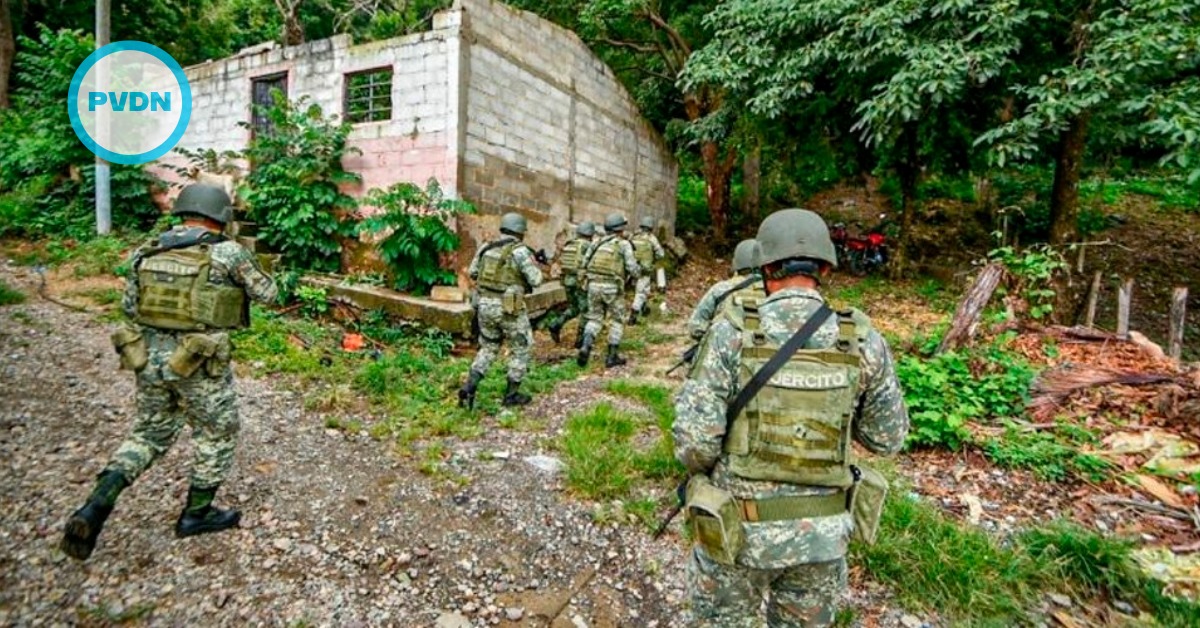
Investigators have recovered hundreds of shell casings across the region, along with burned vehicles and buildings. In Agua Zarca, soldiers found a torched pickup, rifles, grenades, bulletproof vests, pistols, magazines and drones capable of carrying explosives. In other communities, residents woke to see narco banners hung from homes and businesses, signed in the name of the Sinaloa cartel and addressed to both the Guatemalan government and alleged leaders of the Cartel Chiapas-Guatemala.
The first official statement from Guatemala’s Defense Ministry spoke of one civilian killed and one army officer wounded after “illegal armed groups” entered national territory along the border with Mexico. As police and prosecutors reached more crime scenes, the confirmed death toll rose to six. Among the dead, investigators identified 46-year-old Luis Amed Guillén Albores, nicknamed “Monchis”, a Guatemalan citizen whom authorities accuse of playing a leading role in the Cartel Chiapas-Guatemala.
Border villages under siege
The violence unfolded in places that rarely appear on national maps. Communities such as Cuilco, La Mesilla, El Carmen Chaquial, El Espino and Tuicoche live off small-scale farming and cross-border trade. For years, though, this same terrain has been carved up by trafficking routes that move cocaine north and weapons south, and by migrant corridors where smugglers charge high fees to move people toward the United States.
Residents had already seen signs that the conflict was escalating. Over the past two years, clashes between Sinaloa-aligned groups and the Cartel Chiapas-Guatemala, which security agencies link to the powerful Jalisco New Generation Cartel, have displaced hundreds of families on both sides of the border. In mid-2024, entire communities from Frontera Comalapa and nearby municipalities in Chiapas fled into Guatemalan territory, seeking shelter far from the sound of gunfire.
Guatemala’s response has been military. Early this year, the government expanded a security plan known as “Cinturón de Fuego”, or “Belt of Fire”, along key stretches of its borders. The program reinforced the Mountain Operations Brigade in San Marcos and the Fifth Infantry Brigade in Huehuetenango with elite Kaibil troops, and added aerial reconnaissance flights using drones and helicopters to track armed groups across rivers and unpaved roads.
Even with that deployment, the latest incursion caught authorities reacting after the fact. Police reports describe how local community councils in some towns blocked officers from entering immediately after the attacks, either out of fear of reprisals or mistrust of the state. In several villages, officials arrived hours later to find charred vehicles, shattered windows and banners accusing the government of protecting alleged bosses of the Cartel Chiapas-Guatemala.
The geography adds another layer of difficulty. The border cuts across mountains, coffee farms and dirt roads that are easy to block and hard to patrol. Armed groups know the terrain and can move back and forth between Mexico and Guatemala in minutes, taking advantage of the fact that the line between the two countries is often a dry creek bed or an unmarked hillside path rather than a formal checkpoint.
Why Sinaloa cartel in Guatemala alarms both countries
For Mexico and Guatemala, this latest raid is about more than one night of terror in remote villages. It is also a vivid sign that a Mexican cartel can project force deep enough into a neighbor’s territory to stage simultaneous attacks, leave public threats and withdraw, all while fighting a separate criminal organization that also moves freely across the same border.
Mexican Defense Secretary Ricardo Trevilla has acknowledged that Guatemalan authorities reported at least a dozen armed aggressions against their soldiers in recent months, attributed to both the Sinaloa cartel and the Cartel Chiapas-Guatemala. In response, the two governments have agreed on “coincident operations” along the frontier, including new overflights from Mexico’s southeast air command and coordinated patrols between military zones on each side of the line.
The Cartel Chiapas-Guatemala itself is not new. Public records and court documents in the United States describe a network tied to the Calderón family, accused of running a cocaine pipeline through the Chiapas highlands and into Guatemala. Several of its members have been indicted or extradited in recent years on trafficking charges. Security analysts now see the group as a key player in a three-way struggle involving Sinaloa and Jalisco-linked factions for control of the southern corridor.
For people living in the affected communities, the labels matter less than the consequences. The firefights in Agua Dulce, Chaquial and Tuicoche destroyed homes and farms that will take years to rebuild. Families who had already fled other episodes of violence now face the prospect of uprooting themselves again. Migrants and asylum seekers traveling north through Chiapas, who often enter Guatemala to escape clashes in Mexico, may find that the violence has followed them across the border.
Guatemala’s government says the Cinturón de Fuego operation will continue indefinitely. Mexico, for its part, has promised to maintain air and ground patrols over its southern frontier and to share intelligence about cartel movements. Whether that cooperation can push back two entrenched criminal groups remains an open question. For now, the message behind the banners left on village walls is clear: the Sinaloa cartel in Guatemala is willing to turn quiet border towns into battlefields to defend or expand its reach.