A sharp rise in killings of minors has added another measure of the toll from Sinaloa’s cartel conflict. State prosecutor data obtained through transparency requests show that 218 minors were killed in 2025, the highest yearly total since the data series began in 2015. The increase has been tied to the fight between factions of the Sinaloa Cartel, but specialists say the victims do not fit one simple category. Some were recruited. Some were forced into criminal roles. Others were caught in attacks.
Minor killings rise during Sinaloa cartel conflict
Killings of minors in Sinaloa rose sharply during the cartel conflict that has affected the state since 2024.
State prosecutor data show 909 minors were victims of intentional homicide between January 2015 and March 2026. Of those cases, 380 occurred between 2024 and the first three months of 2026.
The figures make 2025 the deadliest year for minors in the state since 2015. Sinaloa recorded 218 minor victims of intentional homicide in 2025, up from 131 in 2024. That was an increase of 87 victims in one year.
The 2025 total was also far above the 42 cases recorded in 2015, the first year in the data series.
Culiacán records the highest toll
The killings were concentrated in several municipalities, with Culiacán carrying the largest share.
From 2015 through March 2026, Culiacán recorded 448 minor homicide victims. That represented nearly half of the statewide total in the data.
Mazatlán recorded 122 cases during the same period. Navolato recorded 66, followed by Guasave with 39 and Ahome with 37.
The increase was also visible in yearly municipal figures. In 2025, Culiacán recorded 112 minor homicide victims. Navolato rose from four cases in 2024 to 27 in 2025. Mazatlán increased from 16 cases in 2024 to 23 in 2025.
The victim profile identified most often was male adolescents between 15 and 17 years old. State data also included many cases where the victim’s age was not specified.
Specialists point to recruitment and forced involvement
Specialists linked the increase to several factors tied to organized crime.
Some minors are recruited for surveillance, transport, drug sales, or armed roles. Others are pulled into criminal groups through friends, acquaintances, or promises of income. In some cases, minors are not directly involved but are killed during attacks, confrontations, or mistaken targeting.
The state data also shows the use of firearms in many cases. At least 160 minors were killed with firearms, including rifles and handguns. Other cases involved blunt force, knives, or other objects. In more than 500 cases, the type of weapon or method was not specified.
The figures point to a wider problem for families in Sinaloa. The cartel conflict has affected daily life in areas where shootings, disappearances, road violence, and security operations have continued for months.
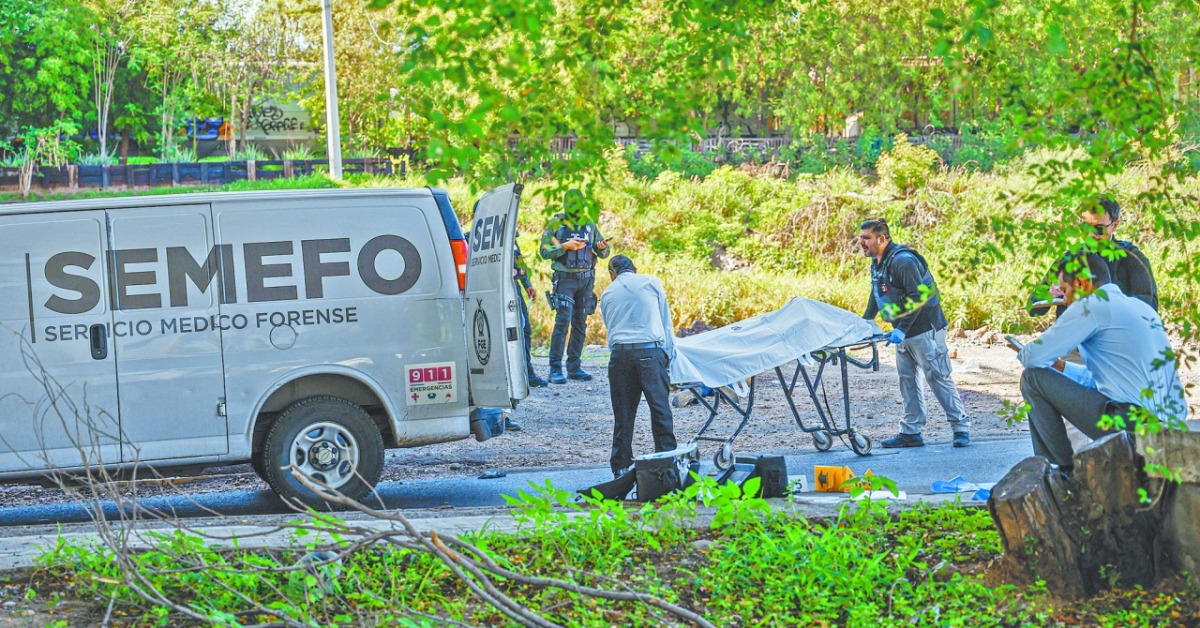
Local reports have also documented individual cases of minors killed during the conflict. Some involved teenagers were killed in public spaces or during attacks linked to the broader wave of violence.
For residents elsewhere in Mexico, the Sinaloa figures offer a clearer view of how cartel conflicts can reach beyond those directly involved. The victims include adolescents caught between criminal recruitment, pressure from armed groups, and violence in their own communities.