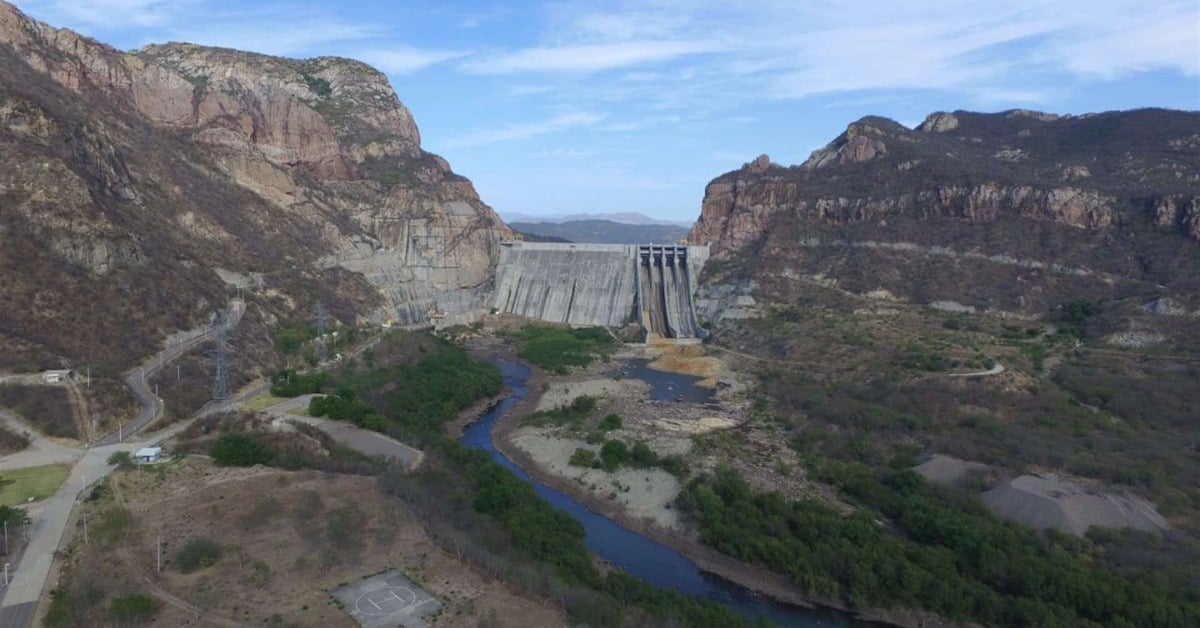
Sinaloa’s reservoir system nudged upward this Sunday, reaching 21.5 percent of total capacity and storing 3,356.4 million cubic meters. The uptick is modest, but it finally puts some space between Sinaloa and the 6 percent nadir recorded on June 19—the lowest level in at least three decades.
Inflows are now doing the heavy lifting. Across the network, 813 cubic meters per second are entering the dams while just 10 cubic meters per second are being released. That positive balance added 89 million cubic meters in the latest day of reporting. Conagua also confirmed an ongoing transfer from Luis Donaldo Colosio (Huites) to Miguel Hidalgo at 200 cubic meters per second, a deliberate push to prop up the weaker northern system.
A fragile recovery after June’s historic low
Sunday’s percentage is a genuine step forward, yet it still signals scarcity. The August rains have helped, but water managers and growers will need consistent precipitation through the end of the month to shore up supply for the 2025–2026 cycle. That caution reflects the severity of June, when storage briefly collapsed to 6 percent statewide before the seasonal rains began.
The national picture has also brightened with August storms lifting average reservoir levels, though year-to-date rainfall remains a critical variable as the season moves into late summer. For Sinaloa, every additional week of Sierra Madre rainfall matters.
North and south are moving at different speeds
The South is in far better shape. Santa María sits near three-quarters of capacity at 72.9 percent, while Picachos stands at 98 percent after recently touching full. Those numbers reflect heavier rains in the Baluarte–Presidio system and offer more breathing room for downstream users in the Mazatlán area.
The north remains the stress point. Huites is at roughly 23 percent, and Miguel Hidalgo is near 15 percent, even with the transfer pumping in added volume. Josefa Ortiz de Domínguez is still languishing in the single digits. The picture is improving—day-over-day inflows are higher—but the gap with long-term norms is still wide.
What this means for the 2025–2026 farm season
For growers, the math is simple: late-August and September rainfall will determine planting flexibility. If inflows keep outpacing releases, water districts can plan a more normal schedule. If they stall, authorities and producers will keep prioritizing hardy, lower-water crops and tighter delivery schedules. Producer groups have already floated chickpea as a practical hedge in a tight-water year, underscoring how planting decisions track reservoir curves.
The near-term outlook
Short term, managers will watch three levers: daily inflows from the Sierra, the Huites–Miguel Hidalgo transfer, and any required releases for urban supply and late-season irrigation. The trend line has turned positive, and the south is pulling its weight. The north needs a few more good pulses to put the cycle on a stable footing. As always in Sinaloa, the reservoirs will tell the story first, and the planting calendars will follow.