Mexico will raise the excise on sweetened drinks next year, moving the specific quota from about 1.64 pesos per liter to roughly 3.08 pesos per liter. The measure lands inside a broader package of “healthy taxes” meant to reduce sugar consumption while shoring up public finances. It also extends the levy to “light” or zero-sugar beverages that use non-caloric sweeteners, with a lower specific amount of 1.50 pesos per liter. Lawmakers advanced the plan this fall after months of budget talks and industry pushback.
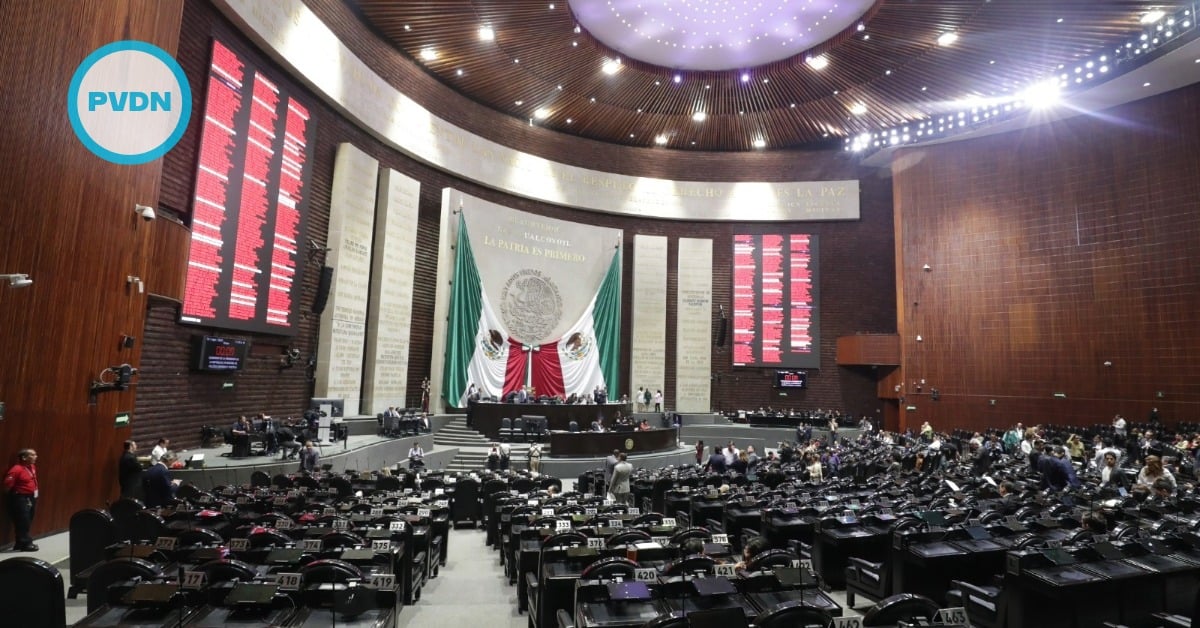
A key step came when the Chamber of Deputies approved reforms to the IEPS law that lock in the new quotas starting in 2026. The text sets the 3.0818-peso rate for flavored drinks with added sugars and 1.5000 pesos for beverages with added sweeteners. That legislative move clarified scope and timing and sent a clear price signal to the market.
For shoppers, the headline rate almost doubles the current charge on regular sodas and juice drinks. On a two-liter bottle, the tax difference alone is about three pesos before VAT and retailer margins. Pricing strategies vary by brand and channel, so pass-through won’t be identical at the corner shop, the supermarket, and restaurants. But consumers should expect menus and shelf tags to adjust early in the year as distributors reprice multipacks and larger formats.
Public-health advocates frame the change as overdue. Mexico remains among the world’s highest per-capita consumers of soft drinks, and diabetes is a leading cause of death. The first soda tax in 2014 nudged behavior but didn’t reverse entrenched habits, especially in regions with limited access to safe water and fresh foods. Officials now argue that a stronger, simpler rate paired with education could push intake lower, even if overall sales remain resilient.
Sugary drink IEPS
The legal backbone sits in the 2026 draft of the IEPS law, where the Finance Ministry details the new quotas and their mechanics. The sugary-drink line rises to 3.0818 pesos per liter; the newly taxed light drinks pay 1.5000 pesos per liter. The law also clarifies that the specific quotas proposed for 2026–2030 won’t follow the usual annual indexation formula while this reform is in force. That gives authorities a more predictable revenue profile and gives companies a clearer planning window for packaging and formulations.
Extending the levy to light drinks is the most controversial shift. Industry groups say diet beverages help consumers reduce sugar and calories, and taxing them undercuts that goal. Health economists counter that the price signal should cover the entire category of sweetened drinks to prevent substitution, while still differentiating with a lower rate for non-sugar options. The government chose that middle path: standard sodas and sweetened teas at the higher quota; diet or zero versions at the lower one.
Politics made the path messy. Bottlers and cooperatives warned of job losses and higher input costs, especially for firms that use cane sugar instead of high-fructose corn syrup. Some state-level lawmakers pushed carve-outs; others sought a slower phase-in. In the end, the votes favored a clean federal schedule: quotas take effect in 2026 nationwide, with enforcement and oversight tied to the existing excise framework and retail invoicing rules. Senate approval followed, and the administration signaled readiness to implement once published.
For households, the near-term question is how much prices jump—and for how long. Large brands can spread costs across portfolios and lean on promotions. Smaller regional players have less cushion. Restaurants and street vendors typically pass through tax changes quickly; supermarkets and warehouse clubs often smooth them with temporary discounts. Expect visible sticker changes in January, then a few months of mixed pricing as inventories cycle.
For health systems and budgets, the question is whether the tax cuts sugar consumption enough to matter. Research on prior rounds suggests modest but real reductions, stronger among heavy consumers and in lower-income areas where price sensitivity is high. If the higher quota and the new coverage of light drinks reduce total liters, those benefits stack with other policies: warning labels on packaging, limits on school sales, and ad restrictions aimed at kids.
What this means beyond the checkout line
The 2026 tax plan is broader than sodas. It raises rates on tobacco and clamps down on gambling and violent video games, part of a strategy to boost non-oil revenues without a sprawling tax overhaul. The “healthy taxes” narrative is also political—an appeal to prevention as Mexico tries to fund primary care clinics and stabilize deficits. Coverage by national outlets has traced how the coalition stitched votes together and where the Senate trimmed edges to win passage.
Here’s the bottom line for consumers: the sugary drink IEPS is going up, and the supermarket math will change. At home, swapping one large bottle for a smaller one or choosing water more often saves money quickly under the new rates. For businesses, 2026 budgets need to reflect higher excise on fountain syrups, ready-to-drink teas and juices, and diet lines that were previously untaxed. For the government, the success metric isn’t just pesos collected—it’s whether Mexican families drink fewer added sugars next year.
If the policy lands as written, prices will climb first where distribution turns over fastest. Expect restaurant menus and convenience stores to move ahead of big-box chains. Expect regional brands to test smaller formats. And expect a noisy debate in January as everyone tallies receipts. The numbers in the law are clear. The real test will be on the shelves, in the carts, and in everyday choices at mealtime.