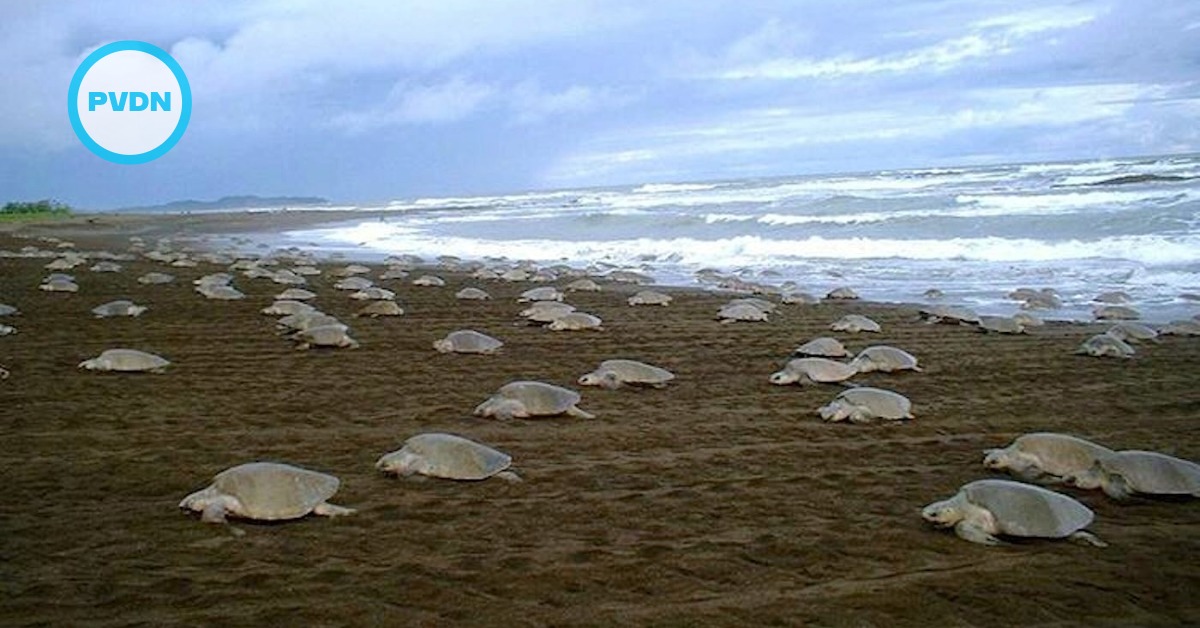
Once driven to the brink by hunting and habitat loss, sea turtles are clawing their way back. A new global review, led by Deakin University’s Graeme Hays and NOAA Fisheries scientist Jeffrey Seminoff, reports that most nesting populations are growing—even as the oceans warm and coastlines change.
The team assessed all seven species and pulled together nearly 300 time-series records from beaches worldwide. The pattern was hard to miss: significant population increases were three times more common than substantial declines. Overall, the datasets showed “a generally encouraging picture” of stable or rising trends across species and regional subpopulations.
Policy and local action are part of the story. Beaches that restrict artificial lighting—so hatchlings aren’t disoriented on their dash to the surf—are seeing more nests. Many regional fisheries have also adopted bycatch-avoidance measures. The authors say those gains can help managers fine-tune fishing seasons to reduce accidental capture further.
Green turtles highlight the turnaround. Four of five regional populations are increasing, including a 500% increase in egg production in the Seychelles. Loggerheads show sharp rises at most monitored sites, from the Mediterranean’s largest rookeries to Cape Verde in the North Atlantic, where annual nests surged from roughly 500 in 2008 to 35,000 by 2020.
Data are thinner for hawksbill, olive ridley, Kemp’s ridley, and flatback turtles, but most tracked groups are trending up. Recent reports from India describe thousands of olive ridleys swarming their nesting beaches, a dramatic sign of recovery.
Not every species is rebounding. Leatherbacks—the largest sea turtles on the planet—remain in trouble in several places. Pacific leatherbacks that migrate from Indonesia to the west coast of North America continue to slide, and rare Caribbean leatherback groups are declining as well. Leatherbacks range over thousands of miles between nesting seasons and can grow to the size of a small car, making them especially vulnerable to threats scattered across entire ocean basins.
Climate change adds pressure by warming seas and sand temperatures. Even so, there are early signs of adaptation. In the Mediterranean, loggerheads appear to be expanding into cooler nesting areas, and some populations may be shifting nesting earlier in the year—changes that could help buffer future heat.
The recovery also reflects a cultural shift. Many communities and governments now value turtles as living wildlife rather than commodities. In some places, former poachers guide tourists to nesting sites, turning protection into a source of income. Laws enacted in the 1970s and 1980s, including the U.S. Endangered Species Act, helped curb the steep declines seen decades ago. New tools are joining that framework too; projects have even deployed decoy GPS “eggs” to track and catch nest poachers.
The bottom line from the review is simple: when hunting and other harms stop, turtles rebound. Keep the protections in place, keep refining fishery practices, and sea turtles can remain a thriving part of the marine ecosystem—even in a warming world.