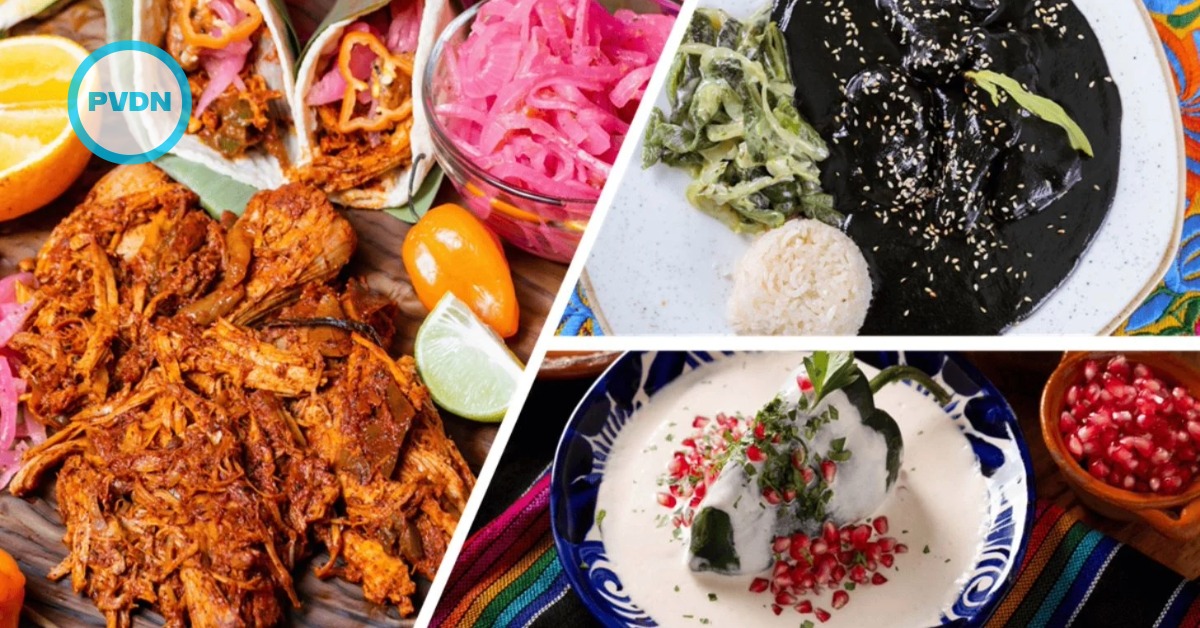
TasteAtlas user ratings placed the Yucatán Peninsula at No. 51 and Oaxaca at No. 58, with Puebla also landing in the top 100.
There’s a specific kind of pride that hits when you live in Mexico and see the country show up on a global “best of” list. Not the chest-thumping kind. More like the quiet, satisfied feeling of thinking, yes, people finally get it.
TasteAtlas, a food-focused platform that tracks traditional dishes and regional cooking, has released a top 100 ranking of the world’s best food regions. And Mexico shows up with three heavy hitters: the Yucatán Peninsula, Oaxaca, and Puebla.
If you’ve ever planned a trip around a meal, this probably doesn’t surprise you. If you’ve ever tried to explain to a visiting friend why a simple sopa de lima can taste like a whole afternoon in Mérida, you’re probably nodding right now.
A top 100 list that puts Mexico’s regions on the map
TasteAtlas placed the Yucatán Peninsula at No. 51 on its list. That matters because Yucatán cuisine doesn’t always get the same global hype as other Mexican food regions. It’s distinct. It’s earthy and citrusy. It has that deep red achiote color that feels almost theatrical when it hits the plate.
Think of cochinita pibil appropriately done. Not the dry, cafeteria-style version that can happen when a dish travels too far from home. I mean the kind that’s tender and fragrant, tucked into a warm tortilla, with pickled red onion cutting through the richness like a bright little alarm bell. It’s food that tastes ancient in the best way.
Oaxaca landed at No. 58, and honestly, Oaxaca’s appearance on a global list feels inevitable. Oaxaca is a universe, not a single cuisine. You can spend a week eating different moles and still feel like you’ve barely started. There’s the smoky pull of mezcal, the comfort of tlayudas, the way a sauce can taste like roasted chile and history at the same time.
If you’re an expat living in Mexico, this part hits differently. You don’t need a passport stamp to chase these flavors. You need curiosity and a willingness to follow your nose. Maybe you’ve already found a tiny Oaxacan spot in your neighborhood that makes you forget your own kitchen exists. Perhaps you’ve promised yourself you’ll get to Oaxaca “one day,” and one day keeps slipping away. Consider this your nudge.
Puebla also made the cut at No. 67, and that one feels like a reminder not to overlook the classics. Puebla’s food is rich, layered, and often misunderstood by people who only know it through a single dish. Yes, it’s home to iconic mole traditions. But it’s also a place where street food can feel as refined as restaurant plates, where something as simple as a cemita can turn into a full-on obsession.
There’s also something comforting about seeing these three together on one list. They represent three very different moods of Mexico’s kitchen. The Yucatán Peninsula feels bright and rooted in citrus, spice, and Maya influence. Oaxaca feels wide, complex, and endlessly inventive. Puebla feels historic and bold, with flavors that stick to your memory.
How TasteAtlas builds the rankings and why it sparks debate
Here’s the part worth keeping in mind before anyone gets too carried away: this ranking is driven by user ratings. TasteAtlas isn’t sending a single panel of judges around the world with clipboards. It’s collecting scores from people who use the platform to rate foods, regions, and products.
That’s important because crowdsourced lists come with built-in quirks. They can reflect real love and real experience, sure. But they can also reflect internet momentum, travel trends, and who is most likely to log on and rate something in the first place. In other words, these lists can be both meaningful and imperfect at the same time.
TasteAtlas describes its results as based on hundreds of thousands of “valid” ratings, pulled from a database of thousands of foods. That’s a serious pool of data. It’s also a reminder that this isn’t a final verdict on which cuisine is “best.” It’s more like a snapshot of what people are excited about right now, filtered through a particular online crowd.
You can see this in the way the top of the list leans heavily toward Europe, with Italy and Greece especially dominant. That doesn’t mean other regions “don’t deserve it.” It’s more about what this kind of platform tends to reward. Regions with strong international recognition, many documented dishes, and a steady stream of travelers eager to talk about what they ate tend to do well.
And that’s where Mexico’s appearance matters. Because Mexico isn’t just showing up with one region, like a token entry. It’s showing up with three, each with its own identity. That’s a bigger statement than a single high ranking.
If you’re living in Mexico as an outsider looking in, this can also shift how you approach food here. It’s easy to get comfortable and repeat your favorites. Same taco spot. Same weekend brunch. Same “I’ll try that later.” But rankings like this can be a gentle disruption. They remind you that you’re surrounded by regional cuisines that are globally respected, and you don’t have to wait for a special occasion to explore them.
So what do you do with this information? You don’t need to argue with strangers online about whether No. 51 should be No. 12. The better move is to let it spark a plan.
Maybe you finally book that long weekend in Oaxaca and do it right, not rushed. Perhaps you make a point of seeking out Yucatecan food where you live and tasting it with fresh attention, as if it were new again. Maybe you give Puebla the kind of food-focused visit it deserves, rather than treating it like a quick stop on the way to somewhere else.
Because the best part of living in Mexico is that these aren’t distant “bucket list” cuisines, they’re right here. They’re alive. And if you’re willing to chase a great meal, they’ll reward you every time.