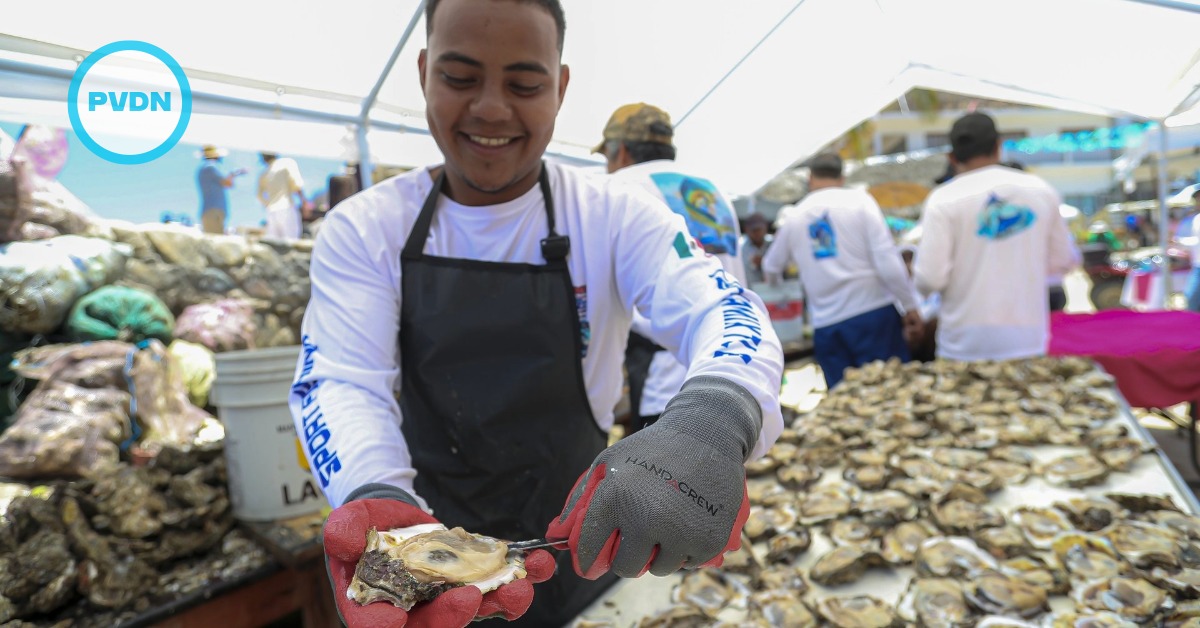
Tehuamixtle is the kind of place Vallarta residents talk about in hushed tones: a rugged stretch of coast, a handful of palapa kitchens, and oysters so big they look almost unreal. Next month, that quiet bay expects a very different soundtrack—DJ beats, live cumbia, and chefs turning the day’s catch into something closer to a showcase. The sixth Oyster Festival has a date, a theme, and a promise to keep the sea at the center. The question is how big it’s getting.
A coastal village turns oysters into a calling card
Tehuamixtle sits on the rough-edged side of the coastline, far enough from the condo skyline to still feel like a working fishing village. Travel writing about the area tends to return to the same details—clear water, a slower tempo, and a local pride built around what comes out of the sea, especially the bay’s oysters.
That oyster reputation is also why the village keeps showing up in statewide tourism calendars as part of Costalegre, the broader coastal corridor that starts to feel dramatically more remote once you get past Bahía de Banderas and head into the backroads. For expats living in the Puerto Vallarta area, it’s a reminder that “weekend getaway” can still mean a genuinely small-town beach—one where the main draw is what’s on the plate, not what’s on the itinerary.
What the sixth festival is offering
Organizers are pitching the 2026 Oyster Festival as an all-day blend of food and music, scheduled for Saturday, March 14, 2026, starting at 12:00 p.m. State tourism listings describe it as free to enter, with the on-site experience built around oysters, chef demos, and cocktails, framed as a celebration of local cuisine and fishing tradition.
The program, as described so far, leans into atmosphere as much as appetites: a theme line—“Donde el mar, el sabor y la música se encuentran”—plus DJ entertainment and a live performance by La Sabrosita Sonora Dinamita. Organizers have also signaled that more details on invited chefs and other talent will be released in the coming weeks, suggesting this lineup is still being finalized.
For anyone wondering whether this is a small local fair or a bigger regional pull, the arc of earlier editions helps. Coverage around the fourth edition described the festival as having launched in 2019, pausing during the pandemic, and returning in 2022—part of a broader effort to turn the bay’s oyster identity into a tourism and community event. Those same accounts describe earlier years when around 2 tons of oysters were distributed for free, and the crowd reached well beyond locals.
By 2025, reporting around the fifth edition included estimates of 3,500 to 4,000 attendees and plans to give away two tons of oysters that year—an indicator of how quickly the festival has been scaling, even if final turnout can vary year to year.
Planning a day trip from the bay
From the Puerto Vallarta area, the simplest way to think about Tehuamixtle is “doable, but plan it,” because travel times are variable and the last stretch can feel more rural than first-time visitors expect. General destination guides describe it as roughly a couple of hours away by road, with the key practical advice being to build in extra time for conditions and stops.
The common route described in official-style tourism guidance starts near Boca de Tomatlán—leaving Federal Highway 200, then continuing toward El Tuito and onward until you reach the coast. The same guidance also points out a sea option: pangas (water taxis) from Boca de Tomatlán that can make the trip in about 50 minutes, which may appeal to people who’d rather trade road time for open water.
Once you’re there, expect the festival to feel like Tehuamixtle itself: oceanfront, communal, and centered on a single ingredient. The state tourism entry highlights oyster preparations ranging from raw with lime to grilled and wood-fired styles, paired with mixology that often features raicilla-based cocktails.
One detail that matters—especially to residents who care about the coast staying healthy—is the sustainability framing. The festival’s tourism listing explicitly emphasizes respect for oyster harvesting bans as part of the event’s ethos. Separately, federal fisheries regulation sets an annual closed season for rock oyster harvesting, running from June 1 to August 31, to protect reproductive cycles—well after this March festival date, but still a key part of the bigger picture for the resource the event depends on.