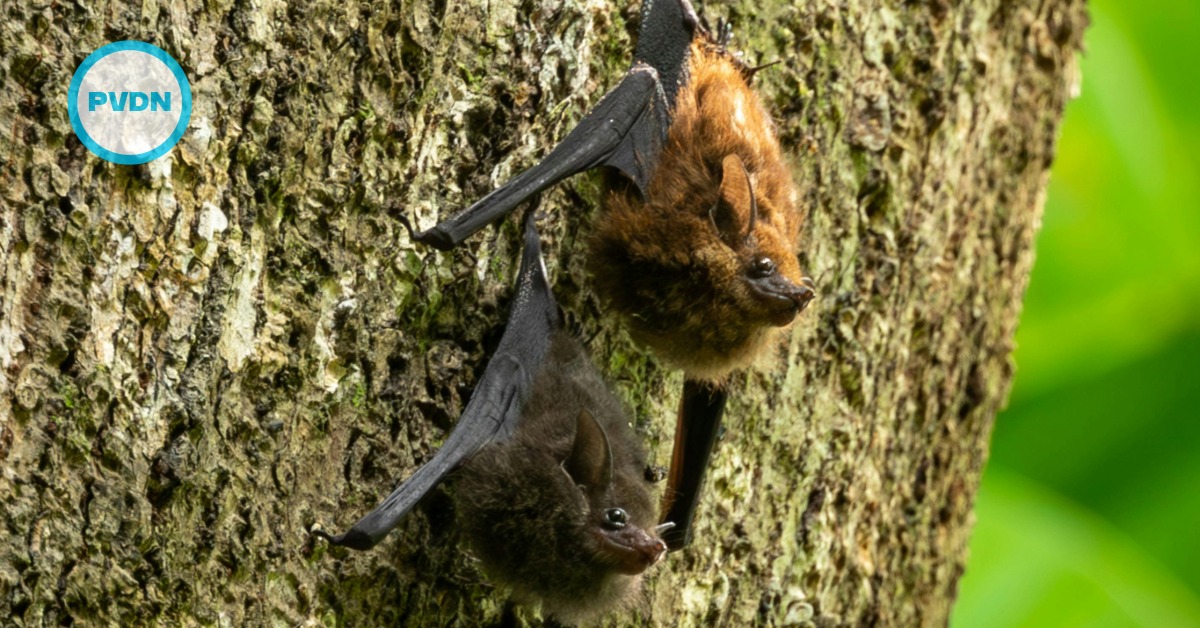
One morning in southern Australia, volunteers picked up bodies that had fallen straight from the trees—flying foxes, some still clasping their pups. The heat hadn’t just been uncomfortable; it had turned the roost into an oven. That scene is a blunt preview of a quieter story unfolding across the globe: bats are being pushed out of the narrow climate window on which their nightly lives depend. When the night shift collapses, pollination falters and insect numbers surge. Mexico is not exempt.
The night shift under stress
Bats are built for movement. Their wings are living skin, rich with blood vessels, designed to trade heat with the air as they fly. That same design can turn against them when the air stops offering relief. Climate change is doing exactly that: stretching hot spells longer, drying landscapes more deeply, and turning “unusual” weather into a regular hazard.
It’s tempting to think of bats as tough by default. Many can travel long distances, squeeze into tiny crevices, and survive on insects so small we barely notice them. But the margin in their lives is thin. Most bats raise only one pup at a time. Many depend on very specific timing—when certain flowers open, when insect swarms peak, when water is available at night. When climate pressures shift that timing, bats don’t just lose comfort. They lose the rhythm that keeps them alive.
When heat turns a roost into a trap
The most brutal climate cost is the simplest: heat can kill bats outright.
In southern Australia, flying foxes—large fruit bats that roost in trees by the thousands—have been hit hard during extreme heat. When temperatures soar past their tolerance, their survival strategies run out. They pant, spread their wings, and try to cool themselves with saliva. But there’s a point where physiology becomes a dead end, and a colony can collapse in a matter of hours. The images are unforgettable: bats dropping from branches, rescuers triaging survivors, orphaned pups left clinging to bodies.
That story matters even if you’ve never seen a flying fox, because it shows how fast the “night shift” can fail once heat crosses a threshold. And flying foxes aren’t the only ones. New field evidence from Europe has documented deaths of young forest bats during periods of extreme heat, with researchers warning that fragmented habitats can amplify the danger. Roosts that were once safe can become ecological traps—warm enough to feel beneficial during reproduction, then suddenly lethal when a heatwave arrives.
Heat also works indirectly. Hotter nights can force bats to spend more energy on cooling and hydration and less on feeding. Pregnant and lactating females are especially vulnerable because the cost of flight, milk production, and temperature regulation all stack up at once. When those mothers struggle, entire seasons of reproduction can effectively be lost.
Drought, fires, and empty skies
Heat rarely travels alone. Drought is its partner, and it hits bats where they can least afford it: food and water.
For insect-eating bats, drought can mean fewer aquatic insects emerging near rivers and canals, fewer moths and beetles in the fields, and fewer reliable feeding “patches” to stitch a night together. For nectar-feeding bats, drought and altered rainfall patterns can delay flowering, shorten blooming windows, or reduce nectar production. Even when bats find flowers, the energy payoff may be smaller than it used to be.
Then there’s fire. In many regions, hotter, drier conditions are linked to larger, more intense wildfires that don’t just burn feeding grounds but also erase roosting habitat—hollow trees, forest structure, shaded corridors. After a major burn, bats can be left with fewer options to reproduce safely, fewer insects to hunt, and fewer water sources to drink from on hot nights.
What makes this especially hard to notice is that bat declines can look like “nothing happened.” You don’t wake up to a silent forest the way you might after a bird die-off. You just get a little more bitten on your terrace. A little more crop damage in nearby fields. A little less seed set on plants that used to fruit reliably. The losses show up as ripple effects.
Why bats matter more than most people realize
Bats do three jobs that quietly hold ecosystems together: they pollinate, they disperse seeds, and they suppress insects.
Insect control is the one aspect that expats often feel most directly, even if they don’t connect the dots. Many of Mexico’s common night-flying insects are not just nuisances; they’re agricultural pests and, in some cases, disease vectors. In places where bats are abundant, they remove huge numbers of insects night after night, acting like a free, living pest-management system that doesn’t require chemicals.
That service has an economic dimension, too. Research focused on North America has estimated that losing insect-eating bats could translate into agricultural losses in the billions of dollars each year, largely because farmers would face higher pest pressure and greater reliance on pesticides. You don’t need to live on a farm to be affected by that. Food prices, public health, and local ecosystems are all downstream from the night sky.
Pollination is the second job, and it’s the one Mexico has taught the world to taste. Many agaves and other night-blooming plants evolved alongside bats. The flowers open when the sun is gone, offering nectar at the exact hour bats are working. Bats move pollen over long distances, helping plants maintain genetic diversity—an invisible kind of resilience that matters when landscapes become hotter and drier.
Mexico’s agave corridor and the climate squeeze
Mexico is home to extraordinary bat diversity, including nectar-feeding species that follow flowering “highways” across mountains and deserts. One of the best-known is the Mexican long-nosed bat, a migratory pollinator that tracks the bloom of paniculate agaves as it moves north each spring.
Climate models looking ahead to mid-century paint a worrying picture: as temperature and precipitation patterns change, the geographic overlap between this bat and the agaves it relies on during migration could shrink dramatically. That isn’t just a bat problem. It’s a system problem. If the bat’s foraging corridor fractures, bats can arrive at places where the flowers are late, scarce, or gone. Plants can bloom into empty night air. Over time, both sides of the relationship weaken.
For readers living in Mexico, this isn’t a distant ecological curiosity. Agaves are cultural infrastructure. They stabilize soils in arid and semi-arid zones, they anchor rural economies, and they sit behind products that carry Mexico’s identity across the world. When climate change stresses bats, it’s also stressing the natural processes that keep those landscapes functioning.
The hopeful part is that people are not powerless here. Some producers and conservation projects have pushed for bat-friendly practices that leave a small portion of agaves to flower instead of harvesting every plant before it sends up its bloom stalk. That single choice can create food for migrating bats and restore natural pollination that industrial monocultures often erase. It’s not a complete solution—habitat loss, water scarcity, and extreme heat still loom—but it’s an example of how conservation can be practical, not romantic.
What a safer future could look like
The climate pressures bats face won’t be solved by a single campaign or a single protected cave. But the direction of travel is clear: bats do better when landscapes give them options.
That means conserving roost sites and the surrounding habitat, not just the roost itself. It means protecting water sources and riparian corridors that become lifelines during drought. It means planning cities and farms with the night in mind—limiting unnecessary light that disrupts bat behavior, avoiding pesticide-heavy approaches that collapse insect prey, and maintaining native vegetation that provides natural foraging routes. It also means treating bats as allies rather than spooky extras in the background of the ecosystem.
If you live in Mexico long enough, you learn that the country’s natural systems are not separate from daily life. They’re in the price of food, the feel of a summer night, the health of the hills after heavy rains, and the survival of rural traditions. Bats are part of that infrastructure. Climate change is charging them a steep price. The bill doesn’t stop with them.