Vallarta Pride’s 2026 edition did more than fill streets with parades and concerts. Organizers placed Juan Jacobo Hernández Chávez, one of the early figures in Mexico’s LGBT movement, at the center of the celebration. The tribute connected Puerto Vallarta’s present-day Pride calendar with the street protests, police pressure, and organizing work that shaped the movement in the late 1970s. It also put fresh attention on how a tourism event remembers the activists who made public visibility possible.
Vallarta Pride places movement history at center stage
Puerto Vallarta’s 13th Vallarta Pride put Juan Jacobo Hernández Chávez at the center of its 2026 program. Hernández Chávez is a founding figure in Mexico’s LGBT movement. The tribute gave the week a longer frame. Pride now fills the city with parades, concerts, and tourism promotion. Its Mexican roots began in a street protest.
Vallarta Pride 2026 ran from May 17 to 24. Its theme was La nueva era, un Pride muy mexicano, according to the official Puerto Vallarta event listing. The recognition followed a week already shaped by a Mexican-themed Pride schedule and a May 21 parade and health campaign across Centro and Zona Romántica.
The tribute took place from May 20 to 22. Red Diversidad Vallarta organized the activities with Vallarta Pride. Hernández Chávez gave a conference called El inicio de una lucha at the Vallarta Gay+ Centro Comunitario. Pedro López, the center’s director, unveiled a plaque. It named the meeting and training room Sala Juan Jacobo Hernández Chávez.
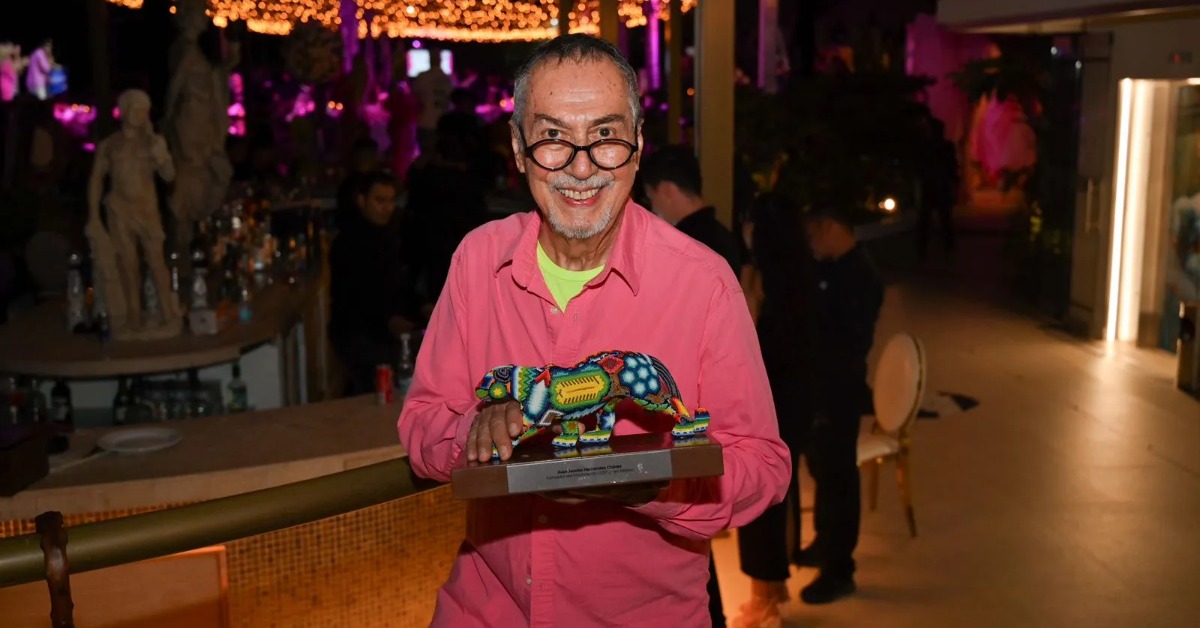
That same night, Javier Jiménez, president of Vallarta Pride, gave Hernández Chávez a formal recognition during the Pink Dinner. A day later, Hernández Chávez served as marshal for the Red Diversidad Vallarta contingent in the Vallarta Pride parade. He walked the route from the Faro to the municipal presidency. Alfonso Dávalos, president of the Segundo Cabildo de la Diversidad de Puerto Vallarta, accompanied him.
During the parade, Hernández Chávez returned to a phrase tied to his 1970s activism. “There is no political freedom without sexual freedom.” At the Lázaro Cárdenas stage, Víctor Espíndola presented him to the crowd.
Espíndola is president of MOVii and coordinator of Red Diversidad Vallarta. Organizers put attendance at more than 40,000 people.
A living link to Mexico’s early LGBT organizing
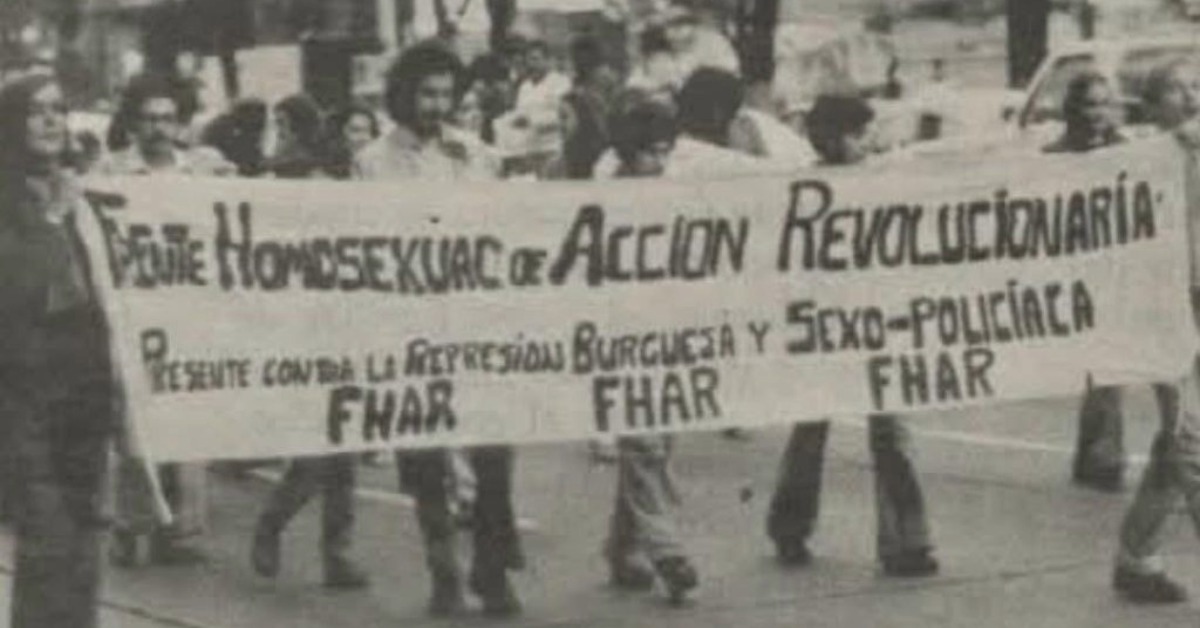
Hernández Chávez was part of the Frente de Liberación Homosexual de México. He helped found the Frente Homosexual de Acción Revolucionaria in 1978. He later led Colectivo Sol. The organization was formed in 1981 and is associated with HIV prevention, sexual rights, and community organizing.
His own account of that period describes public action as a response to police abuse, arrests, extortion, and institutional homophobia. In an essay on taking the streets, he wrote that early activists faced the risk of being arrested, publicly humiliated, and attacked. He later described the first time they went into the streets in three words. “We overcame fear.”
The historical record is broader than one person. The early movement included Nancy Cárdenas, Carlos Monsiváis, Luis González de Alba, Lambda, Oikabeth, and other organizers. They moved between cultural work, left politics, feminist alliances, and street protest. Hernández Chávez’s role sits inside that larger network. The Puerto Vallarta tribute singled him out as a living link between the first public organizing and today’s Pride calendar.
Pride’s tourism frame meets its protest memory
Tourism officials have also framed Vallarta Pride as an economic and destination event. During the presentation of the 2026 program, Jalisco Tourism Secretary Michelle Fridman Hirsch said, “Human rights come before everything else.” Jiménez called the edition “a great example of collaboration.”
Hernández Chávez also announced plans to return to Puerto Vallarta for periodic activist training with younger local organizers. The sessions are expected to focus on protest methods, rights advocacy, and institutional work. Red Diversidad Vallarta is expected to accompany that process.