Cuernavaca’s Tlaltenango neighborhood is back to full festival mode. Organizers have opened the Tlaltenango Fair with nine days of vendors, daily masses, and the return of the long-running “Tandas Culturales.” Authorities project that more than 4,000 attendees will be present, while traffic restrictions and an alcohol ban aim to maintain an orderly crowd. What’s driving the larger pilgrimages this year? What exactly is closed, and why are cultural shows a central piece of this fair’s identity? We break down the dates, rules, and local history that still shape the event.
What opened, and when
The fair began on Sunday, August 31, and runs through Monday, September 9, a schedule built around the Marian feast on September 8, when locals honor the Virgin of the Miracles. The parish has added early-morning and hourly Masses on Sundays. This year marks the 305th edition, underscoring the event’s long place in Cuernavaca’s civic-religious calendar.
Authorities and church leaders expect more than 4,000 visitors over the nine days. The parish also reports a surge in organized pilgrimages, from 40 last year to more than 63 this year, with participants arriving from dioceses in Morelos, the State of Mexico, and Mexico City.
Where the fair sits and how it affects traffic
The fair centers on the church in Tlaltenango, along Avenida Emiliano Zapata on Cuernavaca’s north side. Stalls went up as early as August 30, and road closures are planned through September 9, affecting circulation in and around the corridor that links the city center to the north. Local tourism guidance also points to traffic control on Emiliano Zapata during the fair—plan for extra time.
City traffic police have announced a special operation during the fair’s run, warning of congestion and urging families to streamline school drop-offs as classes resume. Officers are stationed near UAEM’s Gate 1 and in Alta Vista to prevent double-parking and keep traffic moving.
Rules on sales and safety
The sale of alcoholic beverages is prohibited during the fair, including at convenience stores in the zone. The restriction is part of a larger push to keep the event family-oriented and to reduce disorder as crowds swell. Expect closures and detours to remain in place through the final day.
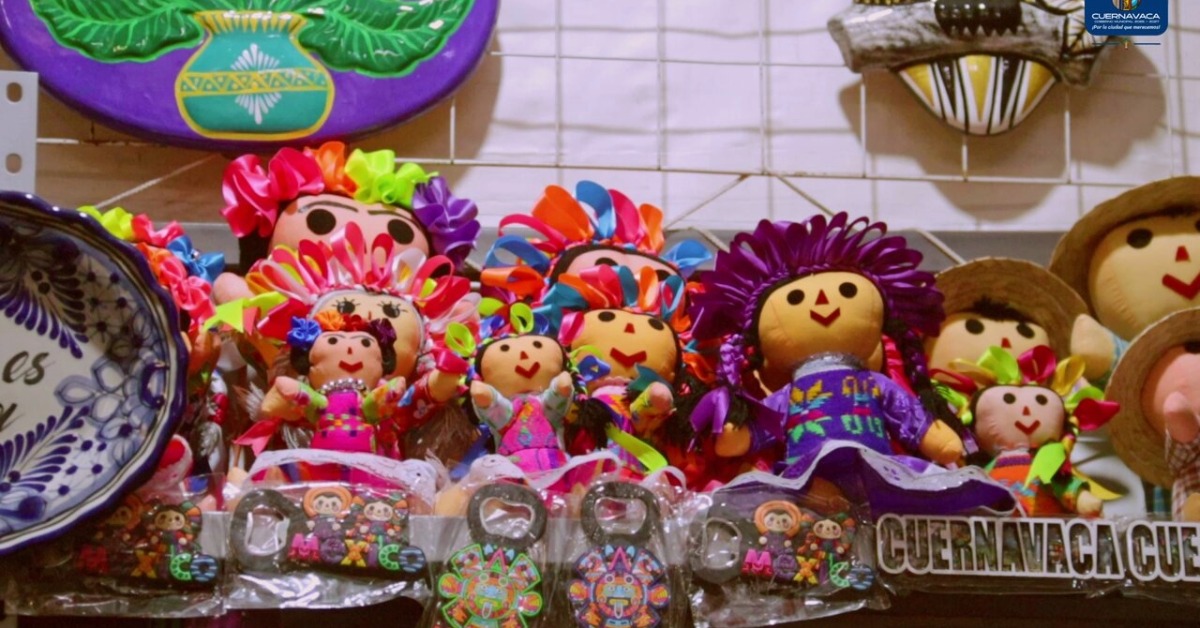
Food and craft stands line the route, with traditional antojitos such as quesadillas, tacos, and roasted corn. Visitors can also find ceramics and pottery, as well as embroidered clothing and regional sweets. Rides and games provide a midway atmosphere alongside the religious schedule.
Tlaltenango Fair and the culture that reshaped it
The fair’s identity hinges on its cultural bill. The parish and community pioneered the “Tandas Culturales” in the 1970s as a response to the disorder that once marred the patronal festivities. The series—now marking 50 years—brought stages, theater, and folk music into the heart of the celebration and is widely credited with transforming the event into an art and community training hub for youth.
This year’s program features music and dance performances throughout the week, starting with opening-day shows and culminating in the September 8 observance. The emphasis on culture over alcohol is more than just branding; it is a community policy with deep roots and a record of drawing families from across the region.
What locals and visitors should know
If you live or work near Emiliano Zapata, expect daytime and evening peaks as pilgrims arrive for masses and cultural shows. Schedule deliveries earlier in the day, and, if possible, avoid double-parking near school entrances. City officials say enforcement will focus on keeping lanes clear around UAEM and Alta Vista.
For visitors, the best experience comes early. Morning masses begin at 6:00 a.m., with food stalls and craft vendors active throughout the day. The main day is September 8, featuring mańanitas and a midnight “misa de gallo.” Plan if you intend to attend those peak moments, and remember that the no-alcohol rule is in effect.
Why this year feels bigger
The jump in organized pilgrimages is notable. The parish cites more than 63 groups registered, a sharp rise from last year’s 40. That, combined with a dense cultural lineup and a weekend-to-weekday run, explains the stronger attendance projections and the stepped-up road management. The framework suggests a fair that is still evolving while holding to its core religious character.