A plastic bag on a grate looks like nothing. Then the rain comes hard, the curb turns brown, and half the block starts wondering why the water will not move. Mérida officials say part of the answer is sitting in plain sight: oil, mop water, bottles, food containers, leaves, and trash pushed toward the street until it all finds the same low point. The city can clean wells and send crews, but a clogged grate can still cause a storm.
The Small Things That Flood a City: How Waste Clogs Mérida’s Rain System
Mérida’s rain system is not being defeated only by heavy clouds. Some of the damage starts with a bucket, a broom, a torn trash bag, and a bad habit at the curb.
City officials are warning residents and businesses to stop dumping used cooking oil, soapy water, trash, and other waste into streets or drainage infrastructure. Mayor Cecilia Patrón Laviada said those materials are ending up in storm wells and street grates, exactly where rainwater needs to go during a downpour. According to Por Esto, the warning applies to businesses in the Centro Histórico, neighborhoods, and fraccionamientos.
Mérida has a particular problem here. Local reporting from NotiRASA described a drainage system that relies heavily on wells and grates that allow rainwater to filter into the ground. This is not a city where every street has a massive storm sewer waiting underneath like a hidden river. Block the grate, pack the well, coat the inside with grease, and the water loses one of its few places to go.
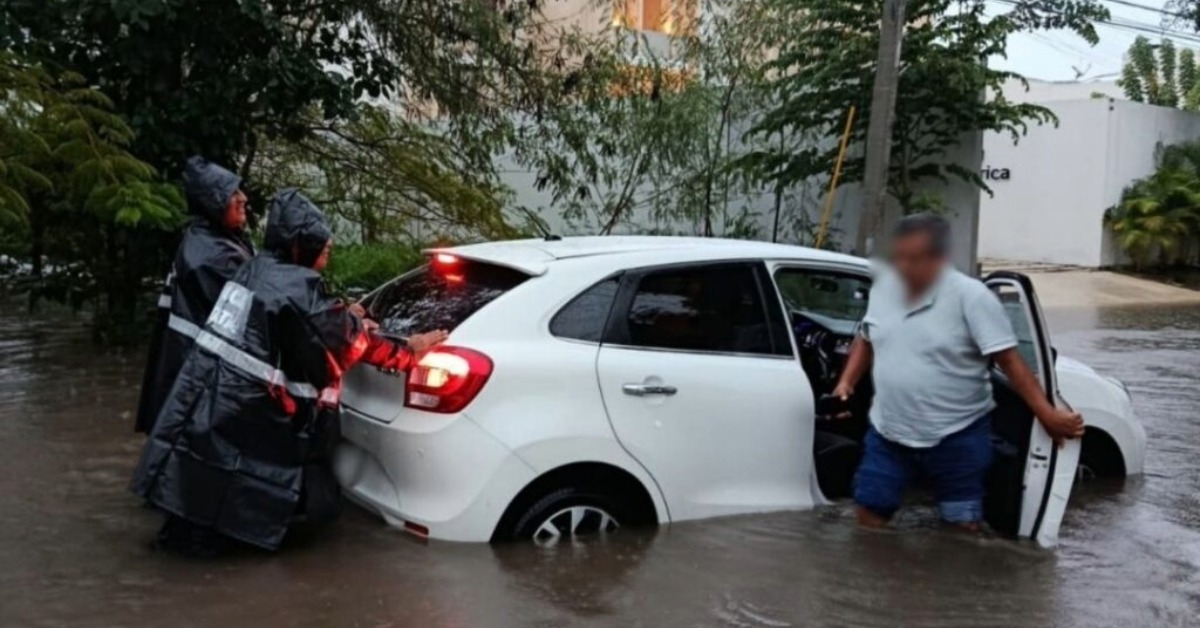
Recent storms made the point in the least polite way possible. Diario 24 Horas Yucatán reported accumulated rainfall above 350 millimeters in Mérida, with officials saying garbage in the streets worsened flooding. Vallarta Daily has also reported on Mérida’s recent drainage work, including well cleaning, desilting, and street repairs before heavier rains arrived. Crews can spend days clearing a system, only for one messy corner to turn into a neighborhood problem during a hard afternoon of rain.
How a Small Mess Becomes a Street Flood
Grease is the stubborn one. Used cooking oil leaves a kitchen as liquid, but it cools, thickens, and clings. Add sand, leaves, wrappers, food scraps, and street grit, and the mixture turns into a sticky plug inside a system built to move water.
Dirty wastewater gets less blame because it looks harmless. It is not. Mop water from a restaurant, shop, market stall, or home can carry detergent, food residue, oils, dust, and small solids. Poured into the street, it does what water always does in Mérida during a storm: follows the curb, finds the low point, and heads for the grate.
Trash brings the blunt-force version of the same problem. Plastic bottles, bags, foam containers, food packaging, and loose debris can sit across a grate like a cheap lid. Other junk gets pulled below the surface, where nobody sees it until municipal crews open the well. Patrón said workers have found bottles, bags, and other waste while cleaning storm wells.
Flooding still has bigger causes. Heavy rain, low-lying streets, old pavement, maintenance backlogs, development pressure, and limited drainage capacity all play a role. Waste dumping is the part people choose, often because it feels small in the moment. The street pays for that choice later, usually with stalled cars, soaked sidewalks, and someone sweeping water away from a doorway, face full of regret.
Mérida Already Has Rules for This
The city’s warning is not a friendly suggestion dressed up as policy. Mérida’s water-contamination regulation prohibits discharging wastewater into public roads and municipal storm wells. Sanctions can include warnings, fines, permit suspension or cancellation, temporary closure, permanent closure, or penalties tied to repair costs, according to the municipal regulation published by the Observatorio Ciudadano del Cambio Climático de Yucatán.
Solid waste rules can apply when people dump trash in public spaces. A previous review of Mérida’s municipal waste regulation said the rules prohibit throwing waste onto public roads and allow sanctions ranging from warnings to fines tied to the Unidad de Medida y Actualización, depending on the violation.
One careless resident with a torn trash bag will not be treated the same as a business repeatedly sending fryer oil toward the curb. Amount, damage, intent, repeat behavior, and the type of offender can all affect the sanction. Still, the line is clear enough for anyone with a bucket in hand: the street is not a drain, and a storm well is not a trash can with a better view.
Officials said more inspections and a public awareness campaign are coming after the rains. Líneas Emergentes reported that Mérida plans to strengthen monitoring and impose fines when necessary. First comes the warning. After that, the conversation may include a citation.
What Should Never Go Into the Street
Used cooking oil should be cooled, stored, and handled as waste. Restaurants, fondas, cafés, food carts, and other food businesses should keep grease traps clean and use proper disposal services when required. Pouring oil toward the curb may look like the fastest way to end a shift. In a storm, it can become somebody else’s flooded storefront.
Dirty wastewater belongs in a proper wastewater system, especially when it carries detergent, grease, food residue, or cleaning chemicals. Mérida’s rules are built around a basic civic boundary: wastewater does not belong in public roads or rain wells.
Trash needs less explanation and more discipline. Bags left loose before collection can rip open. Leaves and sweepings pushed into the gutter can become the first layer of a blockage. Construction debris, food containers, and plastic packaging move quickly once rainwater starts running along the curb. None of it needs an invitation.
Residents can also report blocked grates, illegal dumping, standing water, and other drainage problems through municipal channels. Crews have a better chance of clearing a grate before a storm than after half the block is already ankle-deep and everyone has become an emergency drainage consultant.
The Invisible Work Under the Grate
Drainage is one of those city services people ignore until it fails. Nobody stops on a dry Tuesday to admire a clear grate. After a hard rain, that same grate can decide whether water leaves the street or settles in front of a business entrance for the afternoon.
Mérida’s latest warning brings the conversation about flooding down to curb level. The city still needs maintenance, planning, crews, equipment, and serious drainage work. Residents and businesses still control what they pour, toss, sweep, or leave outside.
Rain will keep testing Mérida. Some streets will still flood. Wells and grates will still need cleaning because the rainy season has never waited for better manners. Cleaner streets will not fix every drainage problem, but dirty ones can turn a hard storm into a longer, nastier, more expensive cleanup.