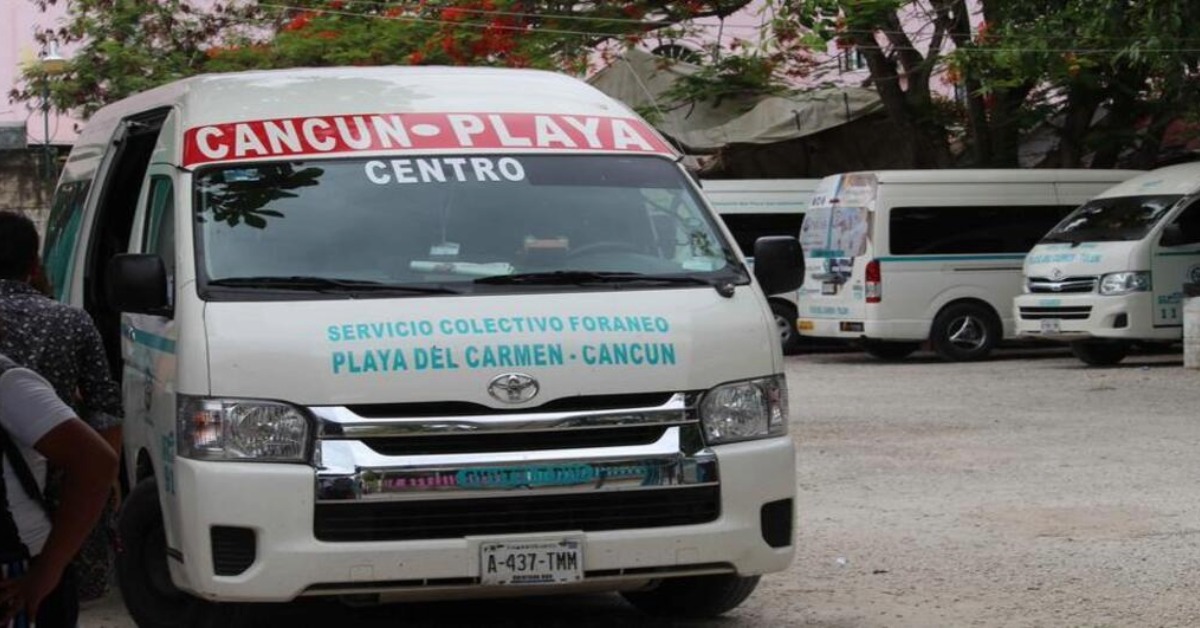
Ridership on the vans that connect Tulum and Playa del Carmen has fallen hard. Union figures show daily passengers down by as much as half compared with last year. Hoteliers also report a weaker summer, and beach access rules in Tulum remain contentious. Add sargassum and higher fares, and workers who rely on colectivos feel the pinch first. We verified the numbers, spoke to the context, and pulled together what changed on the ground—plus what to watch if you depend on these routes.
The vans that knit Tulum and Playa del Carmen together are moving far fewer people than a year ago. Union counts show the route has slipped from about 70,000 riders a day to 30,000–35,000. That is a drop of up to 50 percent.
Moisés Pool Quijano, who heads the UNTRAC local in Tulum, links the slide to fewer tourists. He also points to safety worries, heavy sargassum, and new fees tied to beach access inside Jaguar Park. Operators say they have cut their daily “liquidación” targets to cope.
Tulum Playa van ridership
The ridership shock is landing during a softer summer. Riviera Maya hotel occupancy averaged about 64.8 percent this season, down from 73.2 percent last year. Industry groups call that an unusually steep year-over-year drop.
Local outlets also tracked day-by-day dips around Playa del Carmen. Hoteliers cite weaker demand, sargassum, and timid promotion as drivers. That softer occupancy typically echoes across buses, vans, and airport shuttles.
What is driving the slump
Beach access rules in Tulum have become a flashpoint. The mayor says the Jaguar Park operator has not honored an agreement for free entry for residents. Reports this week describe ongoing charges at gates, and visitors face standard ticket prices. Those policies add friction for day trips.
Sargassum has also returned in force. Tulum authorities say they collected more than 800–1,000 tons in July alone, with cleanup bands still working daily. State and federal crews removed hundreds of tons elsewhere in August. When beaches degrade, leisure trips fall first.
Impact on workers and service
Unions have kept fleet size steady, but driver take-home pay has slipped. To cushion the trough, daily liquidations were trimmed by about 200 pesos, according to union leaders. Fixed costs like fuel and maintenance did not fall. That squeezes operators on slower days.
Bus carriers feel it too. An ADO executive for the Riviera Maya says Tulum-linked passenger volumes fell 20–30 percent versus last summer. Cancun held closer to last year’s levels, highlighting how uneven the slowdown is across the coast.
What to watch next
If hotel demand rebuilds into the fall, vans should see a lagging lift. But if beach access disputes linger and sargassum remains heavy, recovery could stall. Fare enforcement also matters. June’s jump to 60 pesos drew pushback from commuters, who are sensitive to small increases.
For now, transport unions are riding out the low season. The route still moves tens of thousands daily, but fewer tourists mean emptier seats and thinner margins.