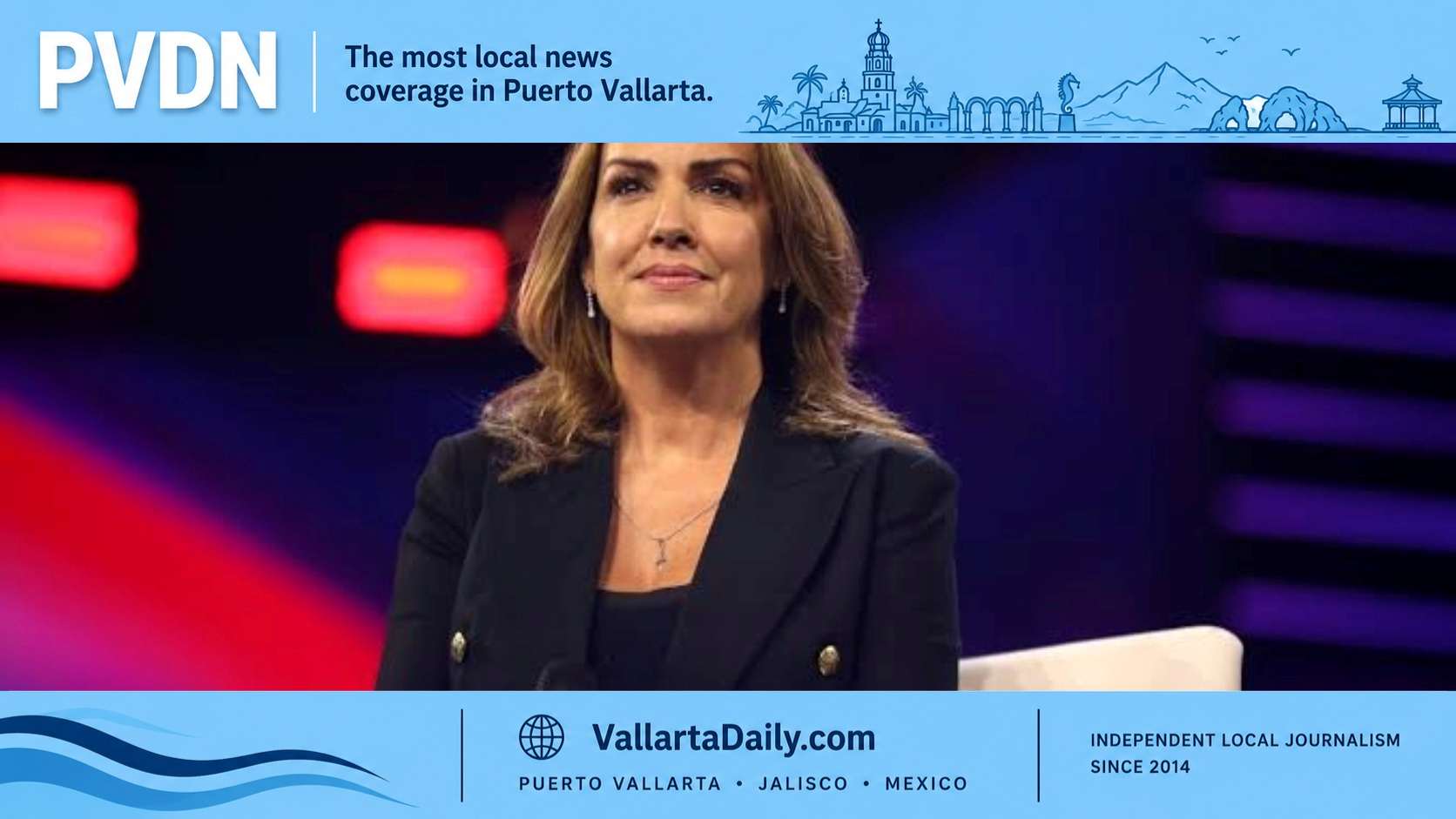
Puerto Vallarta, Jalisco, Sept. 21, 2026 — U.S. drug-policy director Sara Carter renewed a warning Sunday that politicians who collaborate with cartels could face U.S. consequences, including visa revocation.
In a televised interview published Sept. 20, Carter said the warning covers politicians in Mexico and the United States. She named no official and announced no investigation.
Carter also pressed for further action against the Jalisco New Generation Cartel, or CJNG. She called for closer intelligence cooperation between the United States and Mexico.
No local action was announced
Our review of the broadcast and available policy records found no action directed at Puerto Vallarta or a Jalisco government official.
The interview contained no new travel restriction or general visa change affecting foreign residents, tourists, or property owners. Carter’s warning concerned people U.S. authorities suspect of helping criminal organizations.
That distinction is important because the statement was national and bilateral, not a Puerto Vallarta security announcement.
The local connection comes through the Jalisco-based CJNG, which Carter identified as a continuing U.S. priority.
The Drug Enforcement Administration says CJNG has expanded beyond drug trafficking into extortion, human smuggling and real estate schemes, including timeshare fraud. The agency does not connect those claims to a specific Puerto Vallarta case on its cartel profile.
Washington has already used visa revocations
Carter’s remarks did not introduce the visa strategy. They placed it within a broader campaign against suspected political support for cartels.
An October 2025 investigation found that the United States had revoked visas held by at least 50 Mexican politicians and government officials. The report cited two Mexican officials familiar with the actions.
Only a handful of those affected were publicly identified. At least one official who confirmed losing a visa denied any connection to organized crime.
A State Department official said at the time that visas held by foreign officials could be revoked for activities contrary to U.S. interests. Former diplomats said the standard for revocation was lower than the threshold for criminal prosecution or economic sanctions.
A visa cancellation is therefore not an indictment or proof of criminal conduct. U.S. officials also generally keep individual visa decisions confidential.
Carter acknowledged that her Office of National Drug Control Policy does not control every enforcement measure. She said decisions involving accusations and sanctions fall to the State and Justice departments.
“We’re going to go after them and hold them accountable,” Carter said of politicians found working with cartels, according to a published account of the interview.
Pressure accompanied by praise for Mexico
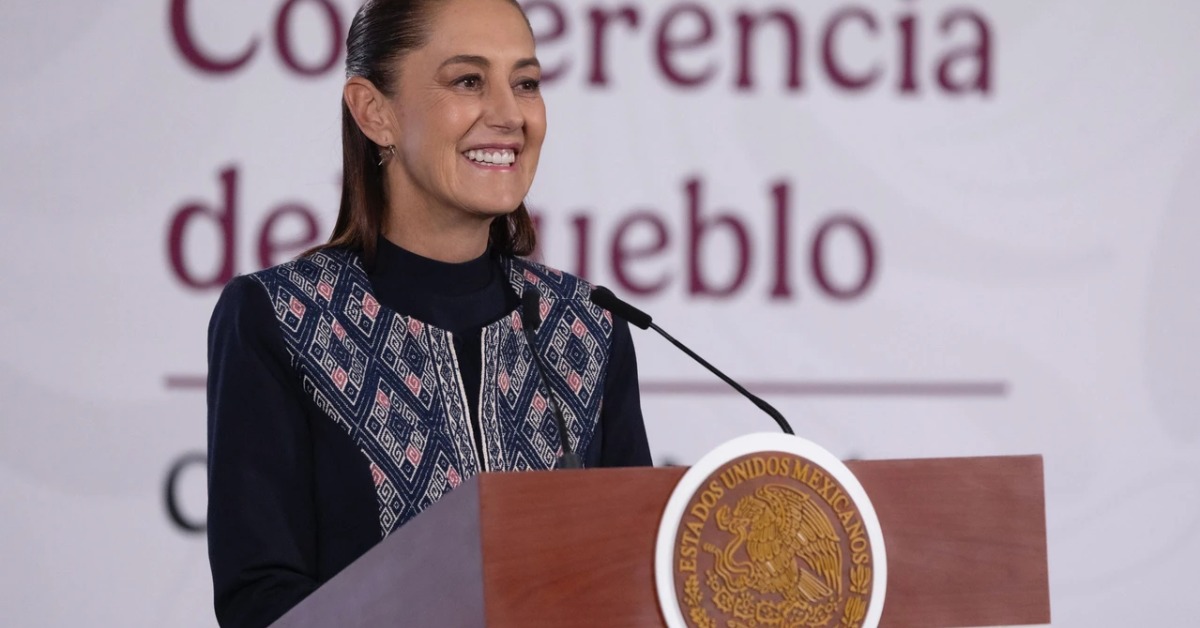
Carter combined the warning with support for President Claudia Sheinbaum’s security policies. She said U.S. officials remained in contact with their Mexican counterparts.
She also called for more resources for Mexican security forces and the military. “We need more action,” Carter said.
Carter described intelligence sharing as essential but said cooperation must respect each country’s sovereignty. When asked about possible unilateral U.S. military action inside Mexico, she did not endorse or reject that option.
Instead, she emphasized intelligence cooperation intended to help Mexican authorities identify, locate and dismantle criminal organizations.
Carter cited the February operation in Tapalpa, Jalisco, that led to the death of CJNG leader Nemesio Oseguera Cervantes, known as “El Mencho.” Mexico’s Defense Department said Oseguera was wounded during an attempted capture and died while being transported to Mexico City.
She presented that operation as evidence of cooperation between the two governments. Carter also acknowledged the risks Mexican security personnel face during cartel operations.
The interview also addressed weapons and illicit money moving from the United States into Mexico. Carter said the Trump administration was working against arms-trafficking networks and urged Mexico to maintain detailed records of seized weapons.
CJNG remains a central U.S. target
The United States designated CJNG and the Sinaloa Cartel as foreign terrorist organizations in February 2025.
The DEA describes CJNG as a major supplier of fentanyl, methamphetamine and cocaine. It says the organization has affiliates in almost every U.S. state and uses corrupt officials to protect its operations.
Carter said the pressure should extend beyond CJNG to other criminal organizations. Her latest warning, however, included no names, case filings or evidence against a particular Mexican politician.