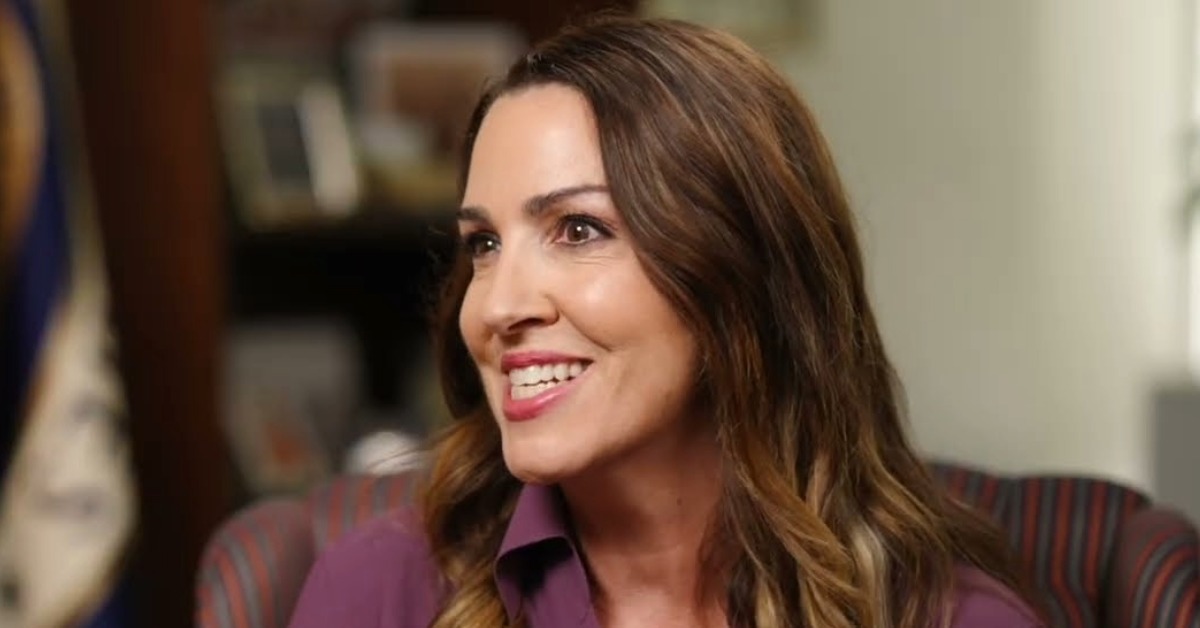
Puerto Vallarta, Jalisco, June 15, 2026 – Washington’s top drug policy official says the United States will keep pursuing Mexican politicians accused of protecting cartel networks.
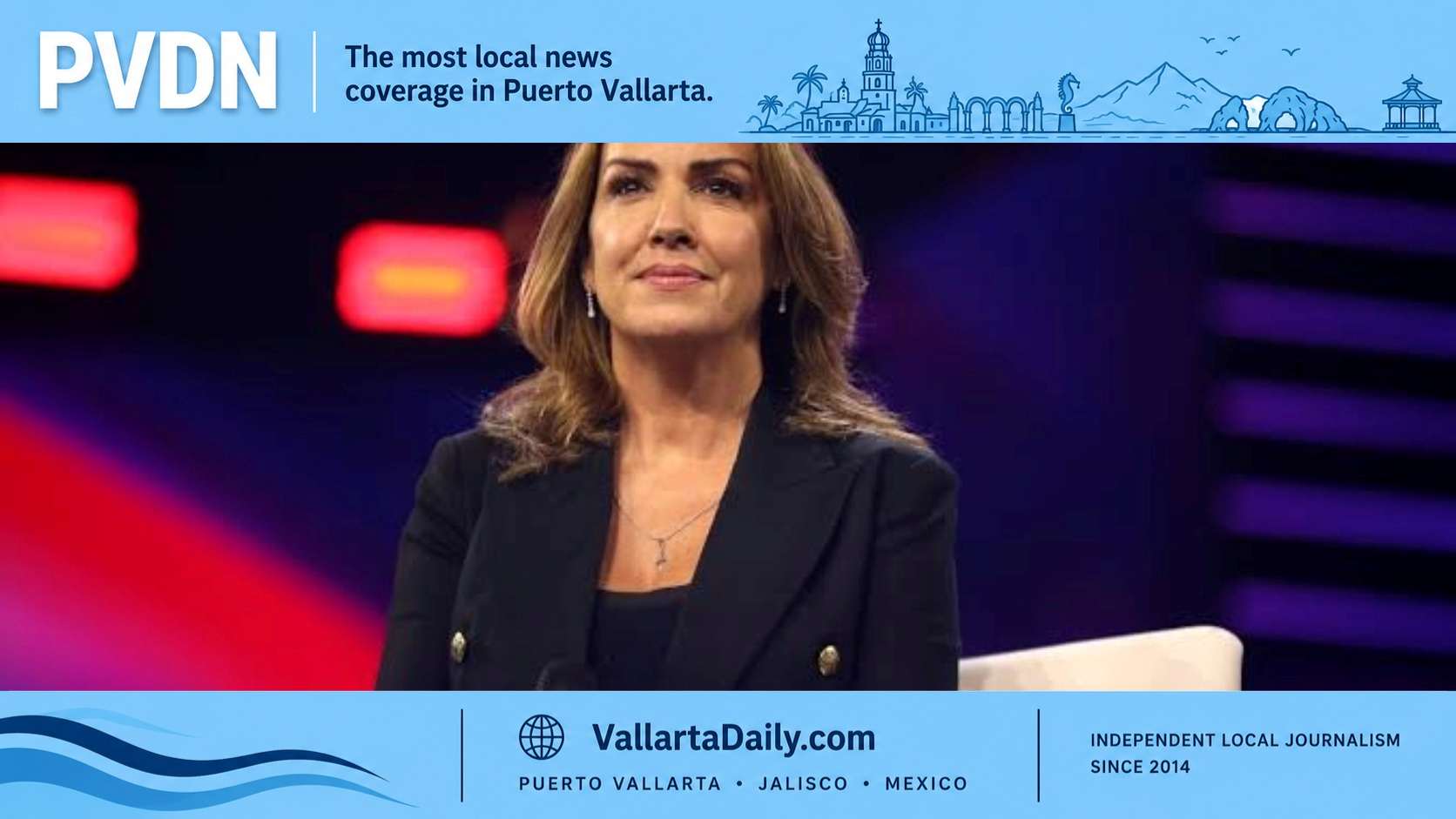
Sara Carter, director of the White House Office of National Drug Control Policy, made the warning in a weekend interview. Her remarks come as U.S. prosecutors press a case involving Sinaloa Gov. Rubén Rocha Moya and nine other current or former Mexican officials.
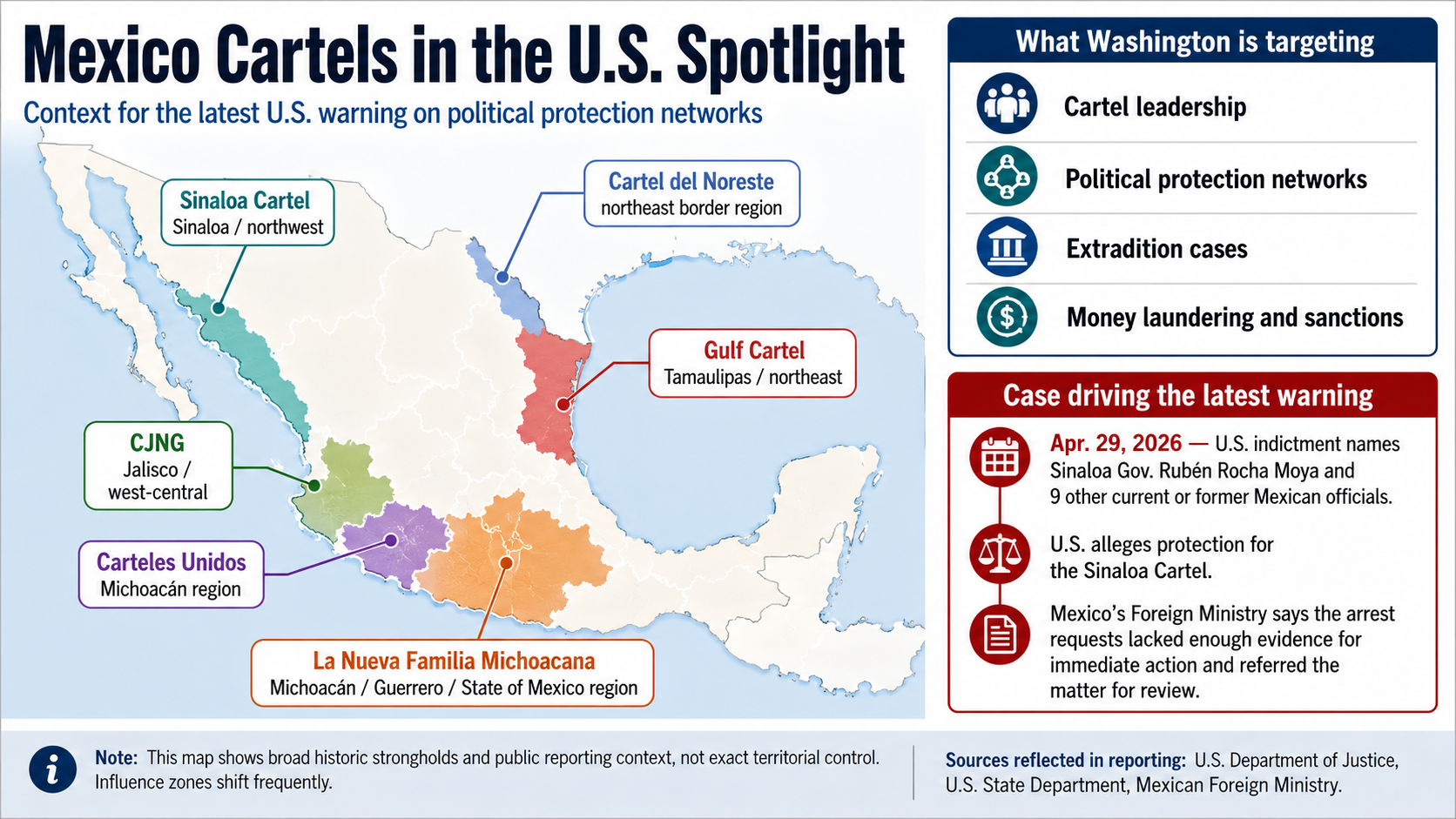
U.S. pressure is moving beyond cartel leaders and traffickers to include political protection, police cooperation, extraditions, and cartel finances.
Washington’s warning
Carter said the United States is targeting the networks that allow cartels to operate, including public officials accused of giving them protection. Her comments were reported Monday in Mexico and followed weeks of open tension between Mexico City and Washington.
She also cited the February operation against Nemesio Oseguera Cervantes, “El Mencho,” founder of the Jalisco New Generation Cartel. Carter said Washington shared intelligence, and Mexican forces acted on it.
Her remarks line up with the Trump administration’s 2026 National Drug Control Strategy. The plan calls for using U.S. agencies against transnational criminal groups, especially those treated as foreign terrorist organizations.
The Sinaloa case
PVDN reviewed the U.S. indictment unsealed in New York. It accuses Rocha Moya, a Mexican senator, Culiacán’s mayor, state prosecutors, security officials, and police commanders of helping the Sinaloa Cartel move drugs into the United States.
The Justice Department alleges the officials protected cartel leaders from investigation and arrest. Prosecutors also allege they shared sensitive security information and allowed cartel violence to continue.
One former Culiacán police commander faces additional charges tied to the kidnapping and killing of a DEA source and a relative, according to the U.S. filing.
U.S. Attorney Jay Clayton said the case was meant to warn public officials accused of working with traffickers, saying “no matter your title or position,” the United States would seek prosecution.
Rocha Moya has denied the accusations, calling them false and politically driven.
Mexico’s response
Mexico’s Foreign Ministry said it received U.S. requests for provisional arrests tied to extradition. The ministry said the documents did not include enough evidence for immediate action.
In an official statement, the ministry said it would send the case file to Mexico’s Attorney General’s Office for review.
President Claudia Sheinbaum has defended security cooperation with Washington. She has also pushed back when U.S. actions extend into Mexican politics before Mexican institutions have reviewed the evidence.
That tension is now shaping the case. Mexico wants intelligence sharing and extradition cooperation. It does not want Washington deciding guilt in cases involving elected Mexican officials before Mexican courts act.
Where Jalisco fits
PVDN has reported on the CJNG power struggle after El Mencho and El Jardinero. Audias Flores Silva, known as “El Jardinero,” was arrested in Nayarit.
Puerto Vallarta has also experienced the local effects of cartel pressure, including security alerts, road disruptions, and federal operations. PVDN tracks organized crime coverage in Puerto Vallarta separately from national cartel politics.
Carter’s remarks did not include a new allegation against Puerto Vallarta officials. No public filing reviewed by PVDN names local officials in connection with the warning.
What to watch
The next steps are likely to play out in courts, foreign ministries, and financial enforcement.
The legal question is whether the United States sends evidence that Mexico considers enough for arrests or extradition proceedings.
The diplomatic question is whether both governments keep security cooperation moving while arguing over sovereignty.
Washington may also expand sanctions, visa restrictions, or money-laundering cases tied to alleged cartel protection networks.
The U.S. has already designated several cartel groups under its foreign terrorist organization framework. That gives U.S. agencies a broader legal path for cases involving money, logistics, and alleged support networks.